






















National Democratic Alliance | |
|---|---|
 | |
| Abbreviation | NDA |
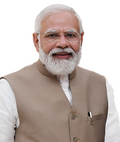
| Lok Sabha leader | Narendra Modi (Prime Minister) |
| Rajya Sabha leader | J. P. Nadda |
| Founder | |
| Founded | 15 May 1998 |
| Ideology |
|
| Political position |
|
| Alliance | 39 parties |
| Seats in Lok Sabha | 292 / 543 |
| Seats in Rajya Sabha | 138 / 245 |
| Seats in State Legislative Councils | 224 / 423 |
| Seats in State Legislative Assemblies | 2,315 / 4,126 |
| Number of states and union territories in government | 21 / 31 |
| Part of a series on |
| Bharatiya Janata Party |
|---|
| File:BJP flag.svg |
| About |
| Committees |
| Frontals |
The National Democratic Alliance (NDA; ISO: Rāṣṭrīya Lokatāntrik Gaṭhabandhan) is an Indian multi-party political alliance, led by the country's biggest political party, the Bharatiya Janata Party (BJP).[9] It was founded on 15 May 1998.[10] It currently has a majority in both the Rajya Sabha and the Lok Sabha, and controls the Government of India as well as the governments of 19 out of 28 Indian states and 2 out of 3 Union territories with legislative assemblies.
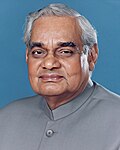
Its first chairman was then Prime Minister of India, Atal Bihari Vajpayee, who served from 1998 until 2004. L. K. Advani, the former Deputy Prime Minister, took over as chairman in 2004 and served until 2014. Amit Shah has been the chairman since 2014.
The NDA controlled a majority in the Indian Parliament from 1998 to 2004. The alliance returned to power in the 2014 general elections with a combined vote share of 38.5%.[11] BJP leader, Narendra Modi, was sworn in as Prime Minister of India on 26 May 2014, his party having won 282 of the 520 seats in the lower house. In the 2019 general election, the alliance further increased its tally to 353 seats with a combined vote share of 45.43%.[12] The alliance lost 60 seats in the 2024 general election, but retained sufficient seats to form a coalition government. On 7 June 2024, Modi confirmed the support of 293 MPs to President Droupadi Murmu; he was then asked by her to form a government.[13] This marked Modi's third term as Prime Minister and his first time heading a coalition government,[14] with the Telugu Desam Party of Andhra Pradesh and Janata Dal (United) of Bihar emerging as two main allies.[15][16][17]
History[edit | edit source]
.jpg)

The NDA was formed in May 1998 as a coalition to contest the general elections. The main aim of the NDA was to form an anti-Indian National Congress coalition. It was led by the BJP, and included several regional parties, including the Samata Party and the AIADMK, as well as Shiv Sena, but Shiv Sena broke away from the alliance in 2019 to join the Maha Vikas Aghadi with Congress and the NCP. Samata Party also broke away from the alliance in 2003 after formation of Janta Dal (United). The Shiv Sena was the only member which shared the Hindutva ideology of the BJP.[18][19]
After the election, it was able to muster a slim majority with outside support from the Telugu Desam Party, allowing Atal Bihari Vajpayee to return as prime minister.[20]
The government collapsed within a year because J. Jayalalithaa's AIADMK withdrew its support. After the entry of a few more regional parties, the NDA proceeded to win the 1999 elections with a larger majority. Vajpayee became Prime Minister for a third time, and this time served a full five-year term.[21]
The NDA then called elections in early 2004, six months ahead of schedule. Its campaign was based around the slogan of "India Shining" which attempted to depict the NDA government as responsible for a rapid economic transformation of the country. However, the NDA suffered a defeat, winning only a 186 seats in the lower house, the Lok Sabha, compared to 222 of the United Progressive Alliance led by the Congress. Manmohan Singh thus succeeded Vajpayee as prime minister, serving for ten years 2004-14. Commentators have argued that the NDA's defeat was due to a failure to reach out to the rural masses.[22][23] The political situation, however, changed again with the rise of NDA-aligned Gujarati Chief Minister, Narendra Modi, who went on to become India's Prime Minister following the NDA's success in the election of 2014.
Structure[edit | edit source]
The National Democratic Alliance does not have a formal governing structure such as an executive board or politburo. It has been up to the leaders of the individual parties to make decisions on issues such as sharing of seats in elections, allocation of ministries and other issues that arise in parliament or more broadly. Given the varied ideologies among the parties, there have been many cases of disagreement and split voting amongst the allies making up the Alliance.
Owing to ill health, George Fernandes, who was the NDA convener until 2008, was discharged of his responsibility and replaced by Sharad Yadav, the then national president of the JD(U) political party. On 16 June 2013, the JD(U) left the coalition and Sharad Yadav resigned from the role of the NDA convener. Then the Chief Minister of Andhra Pradesh N. Chandrababu Naidu was made the NDA convener.[24] Later in 2018, after the withdrawal of TDP from NDA the post of convenor was vacant. However NDA allies like LJP demanded the appointment of a convenor in 2019 for better coordination of the allies.[25]
On 27 July 2017, JD(U) with the help of BJP formed the government in Bihar. Later, on 19 August 2017, JD(U) formally rejoined the NDA after 4 years.[26]
List of Chairmen
- Atal Bihari Vajpayee - 1998 to 2004.
- L. K. Advani - 2004 to 2014.
- Amit Shah - 2014 to date.
List of convenors
- George Fernandes - 1998 to 2008.
- Sharad Yadav - 2008 to 2013.
- N. Chandrababu Naidu - 2013 to 2018.
Strength in parliament[edit | edit source]
State/UT wise MPS[edit | edit source]
| State/UT | Seats | BJP | NDA Allies | Overall Tally | |||||
|---|---|---|---|---|---|---|---|---|---|
| LS | RS | LS | RS | Party | LS | RS | |||
| States | |||||||||
| Andhra Pradesh | 25 | 11 | 3 | 1 | TDP | 16 | 2 | 21 / 25 3 / 11
| |
| Janasena Party | 2 | 0 | |||||||
| Arunachal Pradesh | 2 | 1 | 2 | 1 | None | 2 / 2 1 / 1
| |||
| Assam | 14 | 7 | 9 | 4 | Asom Gana Parishad | 1 | 1 | 11 / 14 6 / 7
| |
| United People's Party Liberal | 1 | 1 | |||||||
| Bihar | 40 | 16 | 12 | 5 | JD(U) | 12 | 4 | 30 / 40 10 / 16
| |
| Lok Janshakti Party | 5 | 0 | |||||||
| Hindustani Awam Morcha | 1 | 0 | |||||||
| Rashtriya Lok Morcha | 0 | 1 | |||||||
| Chhattisgarh | 11 | 5 | 10 | 1 | None |
1 / 5 10 / 11
| |||
| Goa | 2 | 1 | 1 | 1 | None | 1 / 2 1 / 1
| |||
| Gujarat | 26 | 11 | 25 | 10 | None | 10 / 11 25 / 26 | |||
| Haryana | 10 | 5 | 5 | 4 | Independent | 0 | 1 | 5 / 5 5 / 10 | |
| Himachal Pradesh | 4 | 3 | 4 | 3 | None | 4 / 4 3 / 3
| |||
| Jharkhand | 14 | 6 | 8 | 3 | All Jharkhand Students Union | 1 | 0 | 3 / 6 9 / 14 | |
| Karnataka | 28 | 12 | 17 | 6 | Janata Dal | 2 | 1 | 7 / 12 19 / 28 | |
| Kerala | 20 | 9 | 1 | 0 | None | 0 / 9 1 / 20 | |||
| Madhya Pradesh | 29 | 11 | 29 | 8 | None | 8 / 11 29 / 29 | |||
| Maharashtra | 48 | 19 | 9 | 7 | Shiv Sena | 7 | 1 | 12 / 19 17 / 48 | |
| Nationalist Congress Party | 1 | 3 | |||||||
| RPI(A) | 0 | 1 | |||||||
| Manipur | 2 | 1 | 0 | 1 | None | 1 / 1 0 / 2
| |||
| Meghalaya | 2 | 1 | 0 | 1 | NPP | 1 | 0 | 1 / 1 0 / 2
| |
| Mizoram | 1 | 1 | 0 | 0 | None | 0 / 1 0 / 1
| |||
| Nagaland | 1 | 1 | 0 | 1 | None | 1 / 1 0 / 1
| |||
| Odisha | 21 | 10 | 20 | 3 | None | 3 / 10 20 / 21
| |||
| Punjab | 13 | 7 | 0 | 0 | None | 0 / 7 0 / 13
| |||
| Rajasthan | 25 | 10 | 14 | 5 | None | 5 / 10 14 / 25
| |||
| Sikkim | 1 | 1 | 0 | 1 | Sikkim Krantikari Morcha | 1 | 0 | 1 / 1 1 / 1
| |
| Tamil Nadu | 39 | 18 | 0 | 0 | AIADMK | 0 | 5 | 5 / 18 0 / 39
| |
| Tamil Maanila Congress | 0 | 1 | |||||||
| Telengana | 17 | 7 | 8 | 0 | None | 0 / 7 8 / 17
| |||
| Tripura | 2 | 1 | 2 | 1 | None | 1 / 1 2 / 2
| |||
| Uttar Pradesh | 80 | 31 | 33 | 24 | RLD | 2 | 1 | 25 / 31 36 / 80 | |
| Apna Dal | 1 | 0 | |||||||
| Uttarakhand | 5 | 3 | 5 | 3 | None | 3 / 3 5 / 5 | |||
| West Bengal | 42 | 16 | 12 | 2 | None | 2 / 16 12 / 42
| |||
| Union Territories | |||||||||
| Andaman and Nicobar Islands | 1 | 1 | None | 1 / 1
| |||||
| Chandigarh | 1 | 0 | None | 0 / 1
| |||||
| Dadra and Nagar Haveli and Daman and Diu | 2 | 1 | None | 1 / 2
| |||||
| Delhi | 7 | 3 | 7 | 0 | None | 7 / 7 0 / 3
| |||
| Jammu and Kashmir | 5 | 4 | 2 | 1 | None | 2 / 5 1 / 4
| |||
| Ladakh | 1 | 0 | None | 0 / 1
| |||||
| Lakshadweep | 1 | 0 | None | 0 / 1
| |||||
| Puducherry | 1 | 1 | 0 | 1 | None | 0 / 1 1 / 1
| |||
| Nominated | 12 | 5 | Nom | 7 | 12 / 12
| ||||
| Total | 543 | 245 | 240 | 103 | Allies | 53 | 30 | 293 / 543 133 / 245
| |
Governments[edit | edit source]
The BJP has previously been the sole party in power in Jharkhand. It has also ruled Jammu and Kashmir, Punjab as part of coalition and alliance governments.
The NDA has never been in power in 3 states – Kerala, Telangana (between 1999 and 2004 BJP in alliance with TDP ruled a United Andhra Pradesh), and West Bengal. But BJP led NDA has ruled many local governing institutions including corporations, municipalities, panchayats and has also been elected to many Lok Sabha constituencies, state assembly constituencies and local body divisions and wards in these 3 states.
List of current NDA governments[edit | edit source]
Strength in legislative assemblies[edit | edit source]
The following is a list of the current number of Members of Legislative Assembly (MLAs) from the BJP as well as other political parties in the NDA in each of the 28 Indian states and 3 Union territories with legislative assemblies. The NDA currently holds a majority of the seats in 19 states and two Union territories, out of which the BJP on its own holds a majority of the seats in 14 states and one Union territory.
List of presidents[edit | edit source]
Note that it refers to nomination by alliance, as the offices of President are apolitical.
Presidents[edit | edit source]
| No. | Portrait | Name (birth–death) |
Term of office
Electoral mandates Time in office |
Previous post | Vice president | Party[29] | ||
|---|---|---|---|---|---|---|---|---|
| 11 | 
|
A. P. J. Abdul Kalam (1931–2015) |
25 July 2002 | 25 July 2007 | Principal Scientific Adviser to the Government of India | Krishan Kant (2002)
Bhairon Singh Shekhawat (2002–2007) |
Independent | |
| 2002 | ||||||||
| 5 years | ||||||||
| Kalam was an educator and engineer who played a leading role in the development of India's ballistic missile and nuclear weapons programs.[30] He also received the Bharat Ratna. He was popularly known as "People's President".[31][32][33] | ||||||||
| 14 | 
|
Ram Nath Kovind (b.1945) |
25 July 2017 | 25 July 2022 | Governor of Bihar | Mohammad Hamid Ansari (2017)
Venkaiah Naidu (2017–2022) |
Bharatiya Janata Party | |
| 2017 | ||||||||
| 5 years | ||||||||
| Kovind was governor of Bihar from 2015 to 2017 and a Member of Parliament from 1994 to 2006. He is the second Dalit president (after K. R. Narayanan) and is the first president from the Bharatiya Janata Party (BJP) and is an active member of Rashtriya Swayamsevak Sangh (RSS) since his youth.[34] | ||||||||
| 15 | 
|
Droupadi Murmu (b.1958) |
25 July 2022 | Incumbent | Governor of Jharkhand | Venkaiah Naidu (2022)
Jagdeep Dhankhar (2022–2025) C. P. Radhakrishnan(2025-) |
Bharatiya Janata Party | |
| 2022 | ||||||||
| 4 years, 87 days | ||||||||
| Murmu was governor of Jharkhand from 2015 to 2021 and the Member of the Odisha Legislative Assembly from 2000 to 2009. She held several ministerial portfolios in Government of Odisha. She is the first Tribal and second female President of India and is the second president from the Bharatiya Janata Party. | ||||||||
List of vice presidents[edit | edit source]
| No. | Portrait | Name (birth–death)[35] |
Elected (% votes) |
Took office | Left office | Term | President | Party | |||
|---|---|---|---|---|---|---|---|---|---|---|---|
| 11 | 
|
Bhairon Singh Shekhawat (1925–2010) |
2002 (59.82%) |
19 August 2002 | 21 July 2007 | 4 years, 336 days | A. P. J. Abdul Kalam | Bharatiya Janata Party | |||
| 13 | 
|
Venkaiah Naidu (b. 1949) |
2017 (67.89%) |
11 August 2017 | 11 August 2022 | 5 years | Ram Nath Kovind | ||||
| 14 | 
|
Jagdeep Dhankhar (b. 1951) |
2022 (74.5%) |
11 August 2022 | 21 July 2025 | 2 years, 344 days | Droupadi Murmu | ||||
| 15 | 
|
C. P. Radhakrishnan (b. 1957) |
2025 (60.10%) |
12 September 2025 | Incumbent | 1 year, 38 days | |||||
Note that it refers to nomination by alliance, as the offices of Vice President are apolitical.
List of prime ministers[edit | edit source]
| No. | Prime ministers | Portrait | Term in office | Lok Sabha | Cabinet | Constituency | Party | |||
|---|---|---|---|---|---|---|---|---|---|---|
| Start | End | Tenure | ||||||||
| 1 | Atal Bihari Vajpayee |
|
[lower-alpha 1]16 May 1996 | 1 June 1996[lower-alpha 1] | 6 years,80 days | 11th | Vajpayee l | Lucknow | Bharatiya Janata Party | |
| 19 March 1998 | 13 October 1999 | 12th | Vajpayee II | |||||||
| 13 October 1999 | 22 May 2004 | 13th | Vajpayee III | |||||||
| 2 | Narendra Modi | 
|
26 May 2014 | 30 May 2019 | 12 years, 147 days | 16th | Modi I | Varanasi | ||
| 30 May 2019 | 9 June 2024 | 17th | Modi II | |||||||
| 9 June 2024 | Incumbent | 18th | Modi III | |||||||
List of deputy prime ministers[edit | edit source]
| No. | Deputy Prime minister | Portrait | Term in office | Lok Sabha | Prime Minister | Constituency | ||
|---|---|---|---|---|---|---|---|---|
| Start | End | Tenure | ||||||
| 1 | L. K. Advani | 
|
29 June 2002 | 22 May 2004 | 1 year, 328 days | 13th | Atal Bihari Vajpayee | Gandhinagar |
List of chief ministers and deputy chief ministers[edit | edit source]
List of chief ministers[edit | edit source]

| S.No | State | Name | Portrait | Cabinet | |
|---|---|---|---|---|---|
| 1. | Andhra Pradesh | N. Chandrababu Naidu | 
|
Naidu IV | |
| 2. | Arunachal Pradesh | Pema Khandu | 
|
Khandu V | |
| 3. | Assam | Himanta Biswa Sarma | 
|
Sarma | |
| 4. | Bihar | Nitish Kumar | .jpg)
|
Nitish Kumar X | |
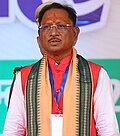
| 5. | Chhattisgarh | Vishnu Deo Sai | 
|
Sai | |
| 6. | Delhi | Rekha Gupta | 
|
Gupta | |
| 7. | Goa | Pramod Sawant | .jpg)
|
Sawant II | |
| 8. | Gujarat | Bhupendrabhai Patel | .jpg)
|
Patel II | |
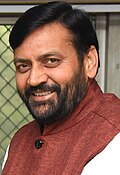
| 9. | Haryana | Nayab Singh Saini | 
|
Saini II | |
| 10. | Madhya Pradesh | Mohan Yadav | 
|
Yadav | |
| 11. | Maharashtra | Devendra Fadnavis | 
|
Fadnavis III | |
| 12. | Manipur | Yumnam Khemchand Singh | Singh | ||
| 13. | Meghalaya | Conrad Sangma | 
|
Sangma II | |
| 14. | Nagaland | Neiphiu Rio | 
|
Rio V | |
| 15. | Odisha | Mohan Charan Majhi | 
|
Majhi | |
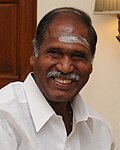
| 16. | Puducherry | N. Rangaswamy | 
|
Rangaswamy IV | |
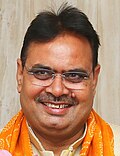
| 17. | Rajasthan | Bhajan Lal Sharma | 
|
Sharma | |
| 18. | Sikkim | Prem Singh Tamang | 
|
Tamang II | |
| 19. | Tripura | Manik Saha | 
|
Saha II | |
| 20. | Uttar Pradesh | Yogi Adityanath | 
|
Yogi Adityanath II | |
| 21. | Uttarakhand | Pushkar Singh Dhami | 
|
Dhami II | |
List of deputy chief ministers[edit | edit source]
| S.No | State | Name | Portrait | |
|---|---|---|---|---|
| 1. | Andhra Pradesh | Pawan Kalyan | 
| |
| 2. | Arunachal Pradesh | Chowna Mein | .jpg)
| |
| 3. | Bihar | Samrat Choudhary | 
| |
| Vijay Kumar Sinha | 
| |||
| 4. | Chhattisgarh | Arun Sao | 
| |
| Vijay Sharma | 
| |||
| 5. | Gujarat | Harsh Sanghavi | 
| |
| 6. | Madhya Pradesh | Jagdish Devda | 
| |
| Rajendra Shukla | 
| |||
| 7. | Maharashtra | Eknath Shinde | 
| |
| Sunetra Pawar | ||||
| 8. | Manipur | Nemcha Kipgen | ||
| Losii Dikho | ||||
| 9. | Meghalaya | Prestone Tynsong | _Public_Health_Engineering_Relief_And_Rehabilitation_(cropped).jpg)
| |
| Sniawbhalang Dhar | 
| |||
| 10. | Nagaland | T. R. Zeliang | _(cropped).jpg)
| |
| Yanthungo Patton | .jpg)
| |||
| 11. | Odisha | Kanak Vardhan Singh Deo | 
| |
| Pravati Parida | 
| |||
| 12. | Rajasthan | Diya Kumari | 
| |
| Prem Chand Bairwa | .jpg)
| |||
| 13. | Uttar Pradesh | Brijesh Pathak | 
| |
| Keshav Prasad Maurya | .jpg)
| |||
List of current chairpersons (with their deputies) and speakers (with their deputies)[edit | edit source]
Rajya Sabha[edit | edit source]
| House | Chairperson[lower-alpha 1] | Party | Deputy Chairperson | Party | ||
|---|---|---|---|---|---|---|
| Rajya Sabha | C. P. Radhakrishnan | BJP | Harivansh Narayan Singh | JD(U) | ||
Lok Sabha[edit | edit source]
| House | Speaker | Party | Deputy Speaker | Party | ||
|---|---|---|---|---|---|---|
| Lok Sabha | Om Birla | BJP | Vacant | N/A | ||
State Legislative Councils[edit | edit source]
This is the list of current Chairpersons and Deputy Chairpersons of the legislative councils of the Indian states:
| State | Chairperson | Party | Deputy Chairperson | Party | ||
|---|---|---|---|---|---|---|
| Bihar | Awadhesh Narain Singh |
BJP | Ram Bachan Rai | JD(U) | ||
| Karnataka | Basavaraj Horatti | BJP | M. K. Pranesh | BJP | ||
| Maharashtra | Ram Shinde | BJP | Neelam Gorhe | SS | ||
| Uttar Pradesh | Kunwar Manvendra Singh | BJP | Vacant | N/A | ||
Legislative Assemblies[edit | edit source]
This is the list of current Speakers and Deputy Speakers of the legislative assemblies of the Indian states and union territories:[36]
| Union Territories | Speaker | Party | Deputy Speaker | Party | ||
|---|---|---|---|---|---|---|
| Delhi | Vijendra Gupta | BJP | Mohan Singh Bisht | BJP | ||
| Puducherry | Embalam R. Selvam | BJP | P. Rajavelu | AINRC | ||
List of opposition leaders[edit | edit source]
State Legislative Councils[edit | edit source]
This is the list of current opposition leaders in the legislative councils of the Indian states:
| State | Portrait | Name | Party | |
|---|---|---|---|---|
| Karnataka | 
|
Chalavadi Narayanaswamy | Bharatiya Janata Party | |
State Legislative Assemblies[edit | edit source]
This is the list of current opposition leaders in the legislative assemblies of the Indian states and union territories:[37]
.jpg)


Member parties[edit | edit source]
As of March 2025, there are 39 political parties that are members of the alliance. The Bharatiya Janata Party and the National People's Party are the only two political parties being recognised by the Election Commission of India as national parties.[38] Other parties in the alliance are either recognised as state level parties or unrecognised parties. {{trim|{{#section-h:List of National Democratic Alliance members|List of members,==Past members==
Rasthriya Samaj Party( RSP) led by Mahadev Jankar in Maharashtra and Janadithipathya Rasthriya party( JRP) led by CK Janu in Kerala Left NDA in 2025.United Democratic Peoples Party Liberal (UPPL)Assam left NDA in 2026 in assam over seat shareing Differences. Biju Jana tha Dal(BJD) left NDA in 2009.
Candidates in elections[edit | edit source]
Lok Sabha general elections[edit | edit source]
Electoral history[edit | edit source]
Lok Sabha 1998 general election[edit | edit source]
| No. | Party | Alliance in states | Seats contested |
Seats won | |
|---|---|---|---|---|---|
| 1 | Bharatiya Janata Party | All States and UTs | 388 | 182 |  21 21
|
| 2 | All India Trinamool Congress | West Bengal | 28 | 7 | 7
|
| 3 | All India Anna Dravida Munnetra Kazhagam |
|
23 | 18 | 18
|
| 4 | Samata Party |
|
23 | 12 | 4
|
| 5 | Shiv Sena |
|
22 | 6 |  9 9
|
| 6 | Biju Janata Dal | Orissa | 12 | 9 | 9
|
| 7 | Lok Shakti |
|
11 | 3 | 3
|
| 8 | Shiromani Akali Dal | Punjab | 8 | 8 | 
|
| 9 | Pattali Makkal Katchi | Tamil Nadu | 5 | 4 | 4
|
| 10 | Marumalarchi Dravida Munnetra Kazhagam | Tamil Nadu | 5 | 3 | 3
|
| 11 | Haryana Vikas Party | Haryana | 4 | 1 | 2
|
| 12 | NTR Telugu Desam Party (LP) | Andhra Pradesh | 3 | 0 |
|
| 13 | Manipur State Congress Party | Manipur | 1 | 1 | 1
|
| 14 | Janata Party | Tamil Nadu | 1 | 1 | 1
|
| 15 | Sikkim Democratic Front | Sikkim | 1 | 1 | 1
|
| 16 | Satnam Singh Kainth (independent candidate supported by BJP) | Punjab | 1 | 1 | 1
|
| 17 | Vazhappady K. Ramamurthy (independent candidate supported by BJP) | Tamil Nadu | 1 | 1 | 1
|
| 18 | Maneka Gandhi (independent candidate supported by BJP) | Uttar Pradesh | 1 | 1 | 1
|
| 19 | Suresh Kalmadi (independent candidate supported by BJP) | Maharashtra | 1 | 0 | 1
|
| Total NDA candidates | 539 | 259 | 64
| ||
Lok Sabha 1999 general election[edit | edit source]
| No. | Party | Alliance in states | Seats contested |
Seats won | |
|---|---|---|---|---|---|
| 1 | Bharatiya Janata Party | All States and UTs | 339 | 182 |
|
| 2 | Janata Dal (United) |
|
41 | 21 | 21
|
| 3 | Telugu Desam Party | Andhra Pradesh | 34 | 29 | 17
|
| 4 | All India Trinamool Congress |
|
29 | 8 | 1
|
| 5 | Shiv Sena | Maharashtra | 22 | 15 | 9
|
| 6 | Dravida Munnetra Kazhagam | Tamil Nadu | 19 | 12 |
|
| 7 | Biju Janata Dal | Orissa | 12 | 10 | 1
|
| 8 | Shiromani Akali Dal | Punjab | 9 | 2 | 6
|
| 9 | Pattali Makkal Katchi |
|
8 | 5 | 1
|
| 10 | Indian National Lok Dal | Haryana | 5 | 5 | 5
|
| 11 | Marumalarchi Dravida Munnetra Kazhagam | Tamil Nadu | 5 | 4 | 1
|
| 12 | Akhil Bharatiya Loktantrik Congress | Uttar Pradesh | 4 | 2 | 2
|
| 13 | Bihar People's Party | Bihar | 2 | 0 |
|
| 14 | Himachal Vikas Congress | Himachal Pradesh | 1 | 1 | 1
|
| 15 | Manipur State Congress Party | Manipur | 1 | 1 | 1
|
| 16 | MGR Anna Dravida Munnetra Kazhagam | Tamil Nadu | 1 | 1 | 1
|
| 17 | Sikkim Democratic Front | Sikkim | 1 | 1 |
|
| 18 | Tamizhaga Rajiv Congress | Tamil Nadu | 1 | 0 | |
| 19 | Democratic Bahujan Samaj Morcha | Punjab | 1 | 0 | |
| 20 | Arunachal Congress | Arunachal Pradesh | 1 | 0 | |
| 21 | Socialist Republican Party | Kerala | 1 | 0 | |
| 22 | Maneka Gandhi (independent candidate supported by BJP) | Uttar Pradesh | 1 | 1 |
|
| 23 | Vanlalzawma (independent candidate supported by BJP) | Mizoram | 1 | 1 | 1
|
| 24 | Sansuma Khunggur Bwiswmuthiary (independent candidate supported by BJP) | Assam | 1 | 1 | 1
|
| 25 | Pawan Pandey (independent candidate supported by BJP) | Uttar Pradesh | 1 | 0 | |
| 26 | Natabar Bagdi (independent candidate supported by BJP) | West Bengal | 1 | 0 | |
| 27 | Elwin Teron (independent candidate supported by BJP) | Assam | 1 | 0 | |
| Total NDA candidates | 543 | 302 | 57
| ||
Lok Sabha 2004 general election[edit | edit source]
| No. | Party | Alliance in states | Seats contested |
Seats won | |
|---|---|---|---|---|---|
| 1 | Bharatiya Janata Party | All States and UTs | 364 | 138 | 44
|
| 2 | Janata Dal (United) |
|
33 | 8 | 13
|
| 3 | Telugu Desam Party | Andhra Pradesh | 33 | 5 | 24
|
| 4 | All India Anna Dravida Munnetra Kazhagam | Tamil Nadu | 33 | 0 | 10
|
| 5 | All India Trinamool Congress |
|
31 | 2 | 6
|
| 6 | Shiv Sena | Maharashtra | 22 | 12 | 3
|
| 7 | Biju Janata Dal | Orissa | 12 | 11 | 1
|
| 8 | Shiromani Akali Dal | Punjab | 10 | 8 | 6
|
| 9 | Indian Federal Democratic Party | Kerala | 1 | 1 | 13
|
| 10 | Sikkim Democratic Front | Sikkim | 1 | 1 |
|
| 11 | Naga People's Front | Nagaland | 1 | 1 | 1
|
| 12 | Mizo National Front | Mizoram | 1 | 1 | 1
|
| 13 | Sansuma Khunggur Bwiswmuthiary (Independent candidate) supported by BJP |
Assam | 1 | 1 | 1
|
| Total NDA Candidates | 543 | 189 | 113
| ||
Lok Sabha 2009 general election[edit | edit source]
| No. | Party | Alliance in states | Seats contested |
Seats won | |
|---|---|---|---|---|---|
| 1 | Bharatiya Janata Party | All States and UTs | 433 | 116 | 22
|
| 2 | Janata Dal (United) |
|
32 | 20 | 12
|
| 3 | Shiv Sena |
|
24 | 11 | 1
|
| 4 | Shiromani Akali Dal | Punjab | 10 | 4 | 4
|
| 5 | Rashtriya Lok Dal | Uttar Pradesh | 7 | 5 | 2
|
| 6 | Asom Gana Parishad | Assam | 6 | 1 | 5
|
| 7 | Indian National Lok Dal | Haryana | 5 | 0 | 5
|
| 8 | Naga People's Front | Nagaland | 1 | 1 |
|
| 9 | Ajitrao Ghorpade (independent candidate supported by BJP) | Maharashtra | 1 | 0 | 1
|
| 10 | H. Lallungmuana (independent candidate supported by BJP) | Mizoram | 1 | 0 | 1
|
| Total | 520 | 158 | 31
| ||
Lok Sabha 2014 general election[edit | edit source]
Contested on BJP symbol lotus
Lok Sabha 2019 general election[edit | edit source]
| No. | Party | Alliance in states | Seats contested |
Seats won | |
|---|---|---|---|---|---|
| 1 | Bharatiya Janata Party | All states and UTs | 437 | 303 | 21
|
| 2 | Shiv Sena | Maharasthra | 23 | 18 |
|
| 3 | All India Anna Dravida Munnetra Kazhagam | Tamil Nadu | 20 | 1 | 36
|
| 4 | Janata Dal (United) | Bihar | 17 | 16 | 14
|
| 5 | Shiromani Akali Dal | Punjab | 10 | 2 | 2
|
| 6 | Pattali Makkal Katchi | Tamil Nadu | 7 | 0 | 1
|
| 7 | Lok Janshakti Party | Bihar | 6 | 6 |
|
| 8 | Bharath Dharma Jana Sena | Kerala | 4 | 0 | New |
| 9 | Desiya Murpokku Dravida Kazhagam | Tamil Nadu | 4 | 0 |
|
| 10 | Asom Gana Parishad | Assam | 3 | 0 |
|
| 11 | Apna Dal (Sonelal) | Uttar Pradesh | 2 | 2 | New |
| 12 | All Jharkhand Students Union | Jharkhand | 1 | 1 | 1
|
| 13 | Nationalist Democratic Progressive Party | Nagaland | 1 | 1 | New |
| 14 | Rashtriya Loktantrik Party | Rajasthan | 1 | 1 | New |
| 15 | Tamil Maanila Congress | Tamil Nadu | 1 | 0 | New |
| 16 | Puthiya Needhi Katchi | Tamil Nadu | 1 | 0 |
|
| 17 | Puthiya Tamilagam | Tamil Nadu | 1 | 0 |
|
| 18 | Bodoland People's Front | Assam | 1 | 0 |
|
| 19 | Kerala Congress (Thomas) | Kerala | 1 | 0 | New |
| 20 | All India N.R. Congress | Pudhucherry | 1 | 0 | 1
|
| 21 | Sumalatha (independent candidate supported by BJP) | Karnataka | 1 | 1 | 1
|
| Total | 543 | 352 | 16
| ||
Contested on AIADMK two leaves symbol
Lok Sabha 2024 general election[edit | edit source]
| No. | Party | Alliance in states | Seats contested |
Seats won | |
|---|---|---|---|---|---|
| 1 | Bharatiya Janata Party | All states and UTs | 437 | 240 | 63
|
| 2 | Telugu Desam Party | Andhra Pradesh | 17 | 16 | 13
|
| 3 | Janata Dal (United) | Bihar | 16 | 12 | 4
|
| 4 | Shiv Sena | Maharasthra | 15 | 7 | 11
|
| 5 | Pattali Makkal Katchi | Tamil Nadu | 10 | 0 |
|
| 6 | Lok Janshakti Party (Ram Vilas) | Bihar | 5 | 5 | New |
| 7 | Nationalist Congress Party | Maharashtra Lakshadweep | 5 | 1 | 4
|
| 8 | Bharath Dharma Jana Sena | Kerala | 4 | 0 |
|
| 9 | Janata Dal (Secular) | Karnataka | 3 | 2 | 1
|
| 10 | Tamil Maanila Congress | Tamil Nadu | 3 | 0 |
|
| 11 | Apna Dal (Sonelal) | Uttar Pradesh | 2 | 1 | 1
|
| 12 | Asom Gana Parishad | Assam | 2 | 1 | 1
|
| 13 | Amma Makkal Munnetra Kazhagam | Tamil Nadu | 2 | 0 |
|
| 14 | Jana Sena Party | Andhra Pradesh | 2 | 2 | 2
|
| 15 | National People's Party | Meghalaya | 2 | 0 | 1
|
| 16 | Rashtriya Lok Dal | Uttar Pradesh | 2 | 2 | 2
|
| 17 | All Jharkhand Students Union | Jharkhand | 1 | 1 |
|
| 18 | Hindustani Awam Morcha | Bihar | 1 | 1 | 1
|
| 19 | Naga People's Front | Manipur | 1 | 0 | 1
|
| 20 | Nationalist Democratic Progressive Party | Nagaland | 1 | 0 | 1
|
| 21 | Rashtriya Lok Morcha | Bihar | 1 | 0 | New |
| 22 | Rashtriya Samaj Paksha | Maharashtra | 1 | 0 |
|
| 23 | Suheldev Bharatiya Samaj Party | Uttar Pradesh | 1 | 0 |
|
| 24 | United People's Party Liberal | Assam | 1 | 1 | 1
|
| 25 | Indhiya Jananayaga Katchi | Tamil Nadu | 1 | 0 |
|
| 26 | Puthiya Needhi Katchi | Tamil Nadu | 1 | 0 |
|
| 27 | Tamizhaga Makkal Munnetra Kazhagam | Tamil Nadu | 1 | 0 |
|
| 28 | Inthiya Makkal Kalvi Munnetra Kazhagam | Tamil Nadu | 1 | 0 |
|
| 29 | O. Panneerselvam (independent candidate supported by BJP) | Tamil Nadu | 1 | 0 | |
| 30 | Maharashtra Navnirman Sena | Maharashtra | DNC | DNC | DNC |
| Total | 540 | 292 | 60
| ||
Contested by BJP symbol lotus
- Indhiya Jananayaga Katchi
- Puthiya Needhi Katchi
- Tamizhaga Makkal Munnetra Kazhagam
- Inthiya Makkal Kalvi Munnetra Kazhagam
Electoral performance[edit | edit source]
| Election | Seats won | Change | Total votes | Share of votes | Swing | Status | NDA Leader |
|---|---|---|---|---|---|---|---|
| 1998 | 265 / 543
|
New | 150,679,142 | 40.90% | New | Government | Atal Bihari Vajpayee |
| 1999 | 302 / 543
|
37
|
149,823,824 | 41.12% | 3.84%
|
Government | |
| 2004 | 188 / 543
|
114
|
141,623,671 | 36.34% | 2.52%
|
Opposition | |
| 2009 | 158 / 543
|
30
|
101,361,535 | 24.30% | 4.94%
|
Opposition | L. K. Advani |
| 2014 | 336 / 543
|
178
|
211,784,403 | 38.66% | 12.00%
|
Government | Narendra Modi |
| 2019 | 353 / 543
|
17
|
272,836,794 | 44.90% | 10.28%
|
Government | |
| 2024 | 293 / 543
|
60
|
283,010,926 | 44.29% | 0.61%
|
Government |
Timeline[edit | edit source]
1999[edit | edit source]
- The Telugu Desam Party extended outside support to the NDA, allowing Atal Bihari Vajpayee to become the first BJP Prime Minister.[54][55]
2004[edit | edit source]
- Telugu Desam Party withdrew from the NDA.[56]
2009[edit | edit source]
- The Telangana Rashtra Samithi in United Andhra Pradesh, joined the NDA on 10 May 2009[57][58] and subsequently denied the fact that it joined NDA and clarified that they only extended the support.[59]
- Indian National Lok Dal in Haryana, joined the NDA on 19 September 2009,[60] but later withdrawed it.
2011[edit | edit source]
- Kuldeep Bishnoi led Haryana Janhit Congress (BL) Joined NDA.
- Ramdas Athawale led Republican Party of India (A) Joined NDA.
- Ajit Singh led Rashtriya Lok Dal withdrawn from the NDA.
2012[edit | edit source]
- Presidential election
- NDA nominated P. A. Sangma as its presidential candidate who lost against UPA's Pranab Mukherjee.
- Vice-Presidential election
- Jaswant Singh was named as the candidate for the post of Vice-President against UPA's Hamid Ansari. Ansari won his second term in office.[61]
2013[edit | edit source]
- On 16 June 2013, Nitish Kumar led Janta Dal United has withdrawn from NDA.
- On 13 September 2013, Narendra Modi declared as PM candidate for 2014 Elections.
2014[edit | edit source]
- On 1 January 2014, Marumalarchi Dravida Munnetra Kazhhagam leader Vaiko has announced that MDMK formally joined back to NDA.
- The two small parties viz Kongunadu Munnetra Kazhagam and Indhiya Jananayaga Katchi have also joined NDA.
- The BJP would like two more southern parties such as Desiya Murpokku Dravida Kazhagam, Pattali Makkal Katchi to also join the alliance.[62]
- In Maharashtra, two regional political outfits, Swabhimani Paksha and Rashtriya Samaj Paksha, joined NDA in January.[63]
- The coalition of five parties is termed as Mahāyuti (Marathi: महायुति, lit. 'Grand Alliance'). So in Maharashtra now NDA alliance consist of 5 Parties viz BJP, Shiv Sena, Republican Party of India, Swabhimani Paksha and Rashtriya Samaj Paksha.[64]
- On 23 February 2014, Rashtriya Lok Samata Party led by Upendra Kushwaha joined NDA and will be contesting at 3 Lok Sabha seats in Bihar.[65]
- On 27 February 2014 Lok Janshakti Party led by Ram Vilas Paswan joined NDA[66] It would contest at 7 Lok Sabha Seats in Bihar during 2014 Elections.[67]
- DMDK will be fighting Lok Sabha Election through an alliance with BJP led NDA.[68]
- Pattali Makkal Katchi led Social Democratic Alliance are the other allies of NDA in Tamil Nadu.
- Maharashtra Navnirman Sena : Its President, Raj Thackeray announced external support to NDA on 9 March 2014 which is marked as Party's formation day, supporting Narendra Modi as Prime Ministerial Candidate.
- Indian National Lok Dal : Its Gen. Sec., Sh. Ajay Singh Chautala announced external support to NDA, supporting Sh. Narendra Modi as Prime Ministerial Candidate.
- Lok Satta Party : President Shri J P Narayan announced external support to NDA, supporting Sh. Narendra Modi as Prime Ministerial Candidate
- All India NR Congress (AINRC) formally joined NDA on 13 March 2014 and will be contesting in Puducherry.[69]
- On 6 April 2014, Telugu Desam Party rejoined the NDA after breaking the alliance in 2004 following the general election defeat.[70]
- Shiv Sena Though Shiv Sena has quit Mahayuti in Maharashtra, before Maharashtra Legislative Assembly Elections 2014, but has decided to remain with NDA at the centre.[71]
- All Jharkhand Students Union clinched an alliance with BJP for Jharkhand Assembly elections under which its junior partner will contest eight of the 81 seats in the state.[72]
2015[edit | edit source]
- Bharatiya Janata Party on 27 February 2015 clinched an alliance with People's Democratic Party for Government Formation in Jammu and Kashmir under which its CM will be from PDP.[73]
- In the month of November, BJP alliance lost the legislative assembly election in Bihar to the Mahagathbandhan comprising JD(U), RJD and the INC.
2016[edit | edit source]
- In January 2016, Bharatiya Janata Party clinched an alliance with Bodoland People's Front in Assam.[74]
- In March 2016, after a meeting with AGP President Atul Bora and former Chief Minister Prafulla Kumar Mahanta, BJP formed an alliance with Asom Gana Parishad for upcoming Assam legislative assembly election 2016.[75]
- BJP also aligned with Rabha and Tiwa Tribe outfit Rabha Jatiya Aikya Manch and Tiwa Jatiya Aikya Manch.
- In March 2016, BJP forged an alliance with Kerala-based Ezhava outfit Bharath Dharma Jana Sena Party for Kerala Elections 2016.[76]
- Following BJP's victory in the Assam Legislative Assembly Elections 2016, the party formed an alliance of like-minded non-Congress parties in the Northeast, called the North-East Democratic Alliance, consisting of 11 regional parties of Northeast India.
- Himanta Biswa Sarma, BJP leader from Assam has been appointed Convener of the regional alliance.
- On 21 December 2016, Khandu was suspended from the party by the party president and Takam Pario was named as the next likely Chief Minister of Arunachal Pradesh replacing Khandu after People's Party of Arunachal suspended Khandu along with 6 other MLAs.[77][78][79]
- In December 2016, Khandu proved majority on the floor of the legislative assembly with 33 of the People's Party of Arunachal's 43 legislators joining the Bharatiya Janata Party as the BJP increased its strength to 45 and had the support of two independents. He became second Chief Minister of Arunachal Pradesh of Bharatiya Janata Party in Arunachal Pradesh after the 44 days lead Gegong Apang government in 2003.[80][81]
2017[edit | edit source]
- In January 2017, Bharatiya Janata Party's alliance partner Maharashtrawadi Gomantak Party in Goa and Shiv Sena in Maharashtra came together to contest Goa Legislative Assembly election in 2017 against the BJP with another Sangh Pariwar group called Goa Suraksha Manch.[82]
- The results of the 2017 Goa Assembly election gave rise to a hung assembly since no political party could achieve a complete majority of 21 in the 40 member Goa Legislative Assembly.
- The Indian National Congress emerged the largest party with 17 seats but ultimately, the Bharatiya Janata Party which emerged victorious in 13 constituencies formed the government with the support of the Goa Forward Party, Maharashtrawadi Gomantak Party and independents.[83]
- The Goa Forward Party expressed its support to the Bharatiya Janata Party on the condition that the then Union Defence Minister of India Manohar Parrikar would return to Goa as the Chief Minister of Goa.[84]
- On 15 March 2017, N. Biren Singh was sworn as the Chief Minister by having coalition with NPP, NPF, LJP and others, the first time that BJP formed a government in Manipur, though the INC emerged as the single largest party.
- On 27 July 2017, Janata Dal (United) rejoined NDA and formed a coalition government with Bharatiya Janata Party (BJP) in Bihar with Nitish Kumar as the Chief Minister and Sushil Kumar Modi as the Deputy Chief Minister, and with that BJP completed its domination in Hindi belt.[85]
2018[edit | edit source]
- On 9 March 2018, Biplab Kumar Deb was sworn as the Chief Minister having a pre-poll alliance with IPFT, the first time that BJP formed a government in Tripura.
- On 16 March 2018, Telugu Desam Party withdrew from the NDA citing the BJP's failure to fulfill the promises made in the State Reorganisation Act and to grant special status to Andhra Pradesh.[86][87][88]
- Rashtriya Lok Samata Party (RLSP) withdrew from the NDA on 10 December 2018, citing a lack of progress on development in Bihar.[89]
- In December 2018's state elections, the NDA lost elections in Madhya Pradesh, Rajasthan, and Chhattisgarh to the INC. In Chhattisgarh, BJP was defeated by the INC with 3/4th majority. It was also defeated by the TRS in Telangana and BJP managed to win only 1 seat out of the 119 constituencies in Telangana
2019[edit | edit source]
- On 7 January 2019, the AGP withdrew from the NDA and also from the Assam Government on the issue of citizenship amendment bill.
- On 21 January 2019, the GJM withdrew from the NDA and extended the support to Mamata Banerjee .
- On 19 February 2019, AIADMK and PMK rejoined NDA and BJP announced that "They will contest 5 Lok sabha seats in Tamil Nadu".
- On 19 February 2019, Pattali Makkal Katchi rejoined NDA
- BJP announced that "They will contest 5 Lok sabha seats in Tamil Nadu".
- On 10 March 2019, DMDK rejoined NDA.
- On 8 March 2019 in Sikkim, BJP joined hands with opposition party SKM
- On 12 March 2019 in Assam, BJP joined hands with old ally AGP[90]
- On 12 March 2019 in Maharashtra, Rayat Kranti Sanghatana is a part of NDA[91]
- On 25 March 2019 in Tamil Nadu, Puthiya Needhi Katchi is a part of Alliance[92]
- On 4 April 2019 in Rajasthan, BJP joined hands with the RLP[93]
- On 5 April 2019 in Uttar Pradesh, Nishad Party joined hands with NDA[94]
- On 23 May 2019 NDA won the 2019 Indian General election with record breaking 352 seats with its allys
- In May 2019, NDA lost state elections of Andhra Pradesh & Odisha
- In May 2019, NDA won the state elections of Arunachal Pradesh & Sikkim.
- On 25 October 2019 in Haryana,
JJP joined hands with NDA to forming a stable government at Haryana with BJP[95]
- On 11 November 2019 in Maharashtra,
Shiv Sena exited from the NDA, as BJP was not willing to agree for Sharing CM Post with Shiv Sena to form government in Maharashtra.[96]
- In November 2019, NDA won the state election of Haryana
- In November 2019, NDA lost the state election of Maharashtra
- On 15 November 2019 in Jharkhand,
BJP, AJSU sever ties in Jharkhand days before Assembly elections 2019.[97]
- On 23 November 2019 in Maharashtra, NCP (Ajit Pawar Faction) joined NDA, Ajit Pawar took oath as Maharashtra's Deputy Chief Minister.
- On 26 November 2019 in Maharashtra, Ajit Pawar resigns as Maharashtra's Deputy Chief Minister. With immediate effect Devendra Fadnvis also resigns from the post of CM of Maharashtra. His term becomes the shortest term as Maharashtra's Chief Minister.
- In December 2019, NDA lost the state election of Jharkhand.
2020[edit | edit source]
- On 16 January 2020 Jana Sena of Pawan Kalyan announced that tying up with Bharatiya Janata Party in Andhra Pradesh, this decision came after Chief minister Y. S. Jagan Mohan Reddy's intention to decentralise the capital, instead of developing Amaravati.[98][99][100]
- Jharkhand Vikas Morcha (Prajatantrik) led by Babulal Marandi merged with the Bharatiya Janata Party on 17 February 2020, at Jagannathpur Maidan, Ranchi in presence of Union Home Minister Amit Shah, BJP president Jagat Prakash Nadda and former Chief Ministers of Jharkhand Arjun Munda and Raghubar Das.[101][102][103][excessive citations] Earlier, Marandi expelled MLAs Pradeep Yadav and Bandhu Tirkey from the party for "anti-party activities".[104] Both of them later joined Indian National Congress in its Delhi headquarters.[105]
- In February 2020, NDA lost the state election of Delhi
- In August 2020, Hindustani Awam Morcha re-joined NDA & granted 7 seats to contest in 2020 Bihar Legislative Assembly election.
- Shiromani Akali Dal announced leaving NDA in September 2020.
- In October 2020, the Vikassheel Insaan Party which had left the Mahagathbandhan (Bihar) joined the National Democratic Alliance and was granted 11 seats to contest.
- In October 2020, The All Jharkhand Students Union re-joined NDA.
- In October 2020, Gorkha Janmukti Morcha broke the alliance ahead of 2021 West Bengal Legislative Assembly election and allied with All India Trinamool Congress.[106]
- In October 2020, Kerala Congress (Thomas) broke the alliance ahead of 2021 Kerala Legislative Assembly election and allied with United Democratic Front.[107]
- In November 2020, BJP had the alliance with Bodoland People's Front ahead of 2020 Bodoland Territorial Council election.[108][irrelevant citation]
- In November 2020, NDA won the state election of Bihar.
- In December 2020, United People's Party Liberal and Gana Suraksha Party joined the NDA and NEDA as alliance to Executive Committee in Bodoland Territorial Council.[109][110]
- In December 2020, Rashtriya Loktantrik Party broken the alliance on the issue of 3 agriculture reforms laws.[111]
2021[edit | edit source]
- In March 2021, Kerala Congress (Thomas) Has Withdrawn alliance ahead of 2021 Kerala Legislative Assembly election And Joined United Democratic Front.[112]
- In March 2021, Desiya Murpokku Dravida Kazhagam broken the alliance for not issuing demanded number of constituency in the 2021 Tamil Nadu Legislative Assembly election.[113]
- In April 2021, Goa Forward Party withdrew from the NDA for a variety of reasons, ranging from environmental issues to BJP apathy towards unemployment.[114]
- In May 2021, NDA lost state elections of Tamil Nadu, Kerala, West Bengal
- In May 2021, NDA won state elections of Assam & Puducherry.
- In May 2021, Sukhdev Singh Dhindsa led Shiromani Akali Dal (Sanyukt) joined NDA.
- In December 2021, Captain Amrinder Singh led Punjab Lok Congress joined NDA.
2022[edit | edit source]
- In January 2022, Simarjit Singh Bains led Lok Insaaf Party joined NDA.
- In January 2022, Simarjit Singh Bains led Lok Insaaf Party broken the alliance for not issuing demanded number of constituency in the 2022 Punjab Legislative Assembly election.
- Bodoland People's Front rejoined NDA.
- NDA won the state elections of Uttar Pradesh, Goa, Uttarakhand & Manipur.
- NDA lost the state elections of Punjab.
- In June 2022 Shivsena leader Eknath Shinde along with rebel MLAs joined NDA and formed a government on 30 June 2022 with Shinde as Chief Minister of Maharashtra and BJP leader Devendra Fadnavis as Deputy Chief Minister of Maharashtra .
- After Goa Assembly elections 2022 Maharashtrawadi Gomantak Party extended support to NDA.
- On 9 August 2022, Nitish Kumar led Janata Dal (United) has withdrawn from NDA.[115]
- On 19 September, Capt. Amrinder Singh led Punjab Lok Congress merged with BJP[116]
- NDA won state elections of Gujarat.
- NDA lost the state elections of Himachal Pradesh.
2023[edit | edit source]
- In February, BJP broke alliance with National People's Party to contest all seats in 2023 Meghalaya Legislative Assembly election[117]
- NDA won state elections in Tripura, Meghalaya and Nagaland.
- NDA lost state election in Karnataka.
- In June 2023 Hindustani Awam Morcha Joined NDA
- In July 2023 MLAs from NCP led by Ajit Pawar joined NDA and Ajit Pawar took oath as the Deputy Chief Minister of Maharashtra
- In July 2023 Suheldev Bharatiya Samaj Party Joined NDA
- In September 2023, Janata Dal (Secular) joined NDA[118]
- On 25 September 2023, AIADMK left the NDA alliance.[119][120][121]
- In December 2023, NDA made a record breaking victory in the decisive states of Chhattisgarh, Madhya Pradesh and Rajasthan, routing the incumbent Congress. The NDA lost in Telangana.
2024[edit | edit source]
- On 28 January 2024, Nitish Kumar led Janata Dal (United) rejoined NDA by quitting Mahagathbandhan and I.N.D.I.A. Alliance. It formed a coalition government with Bharatiya Janata Party (BJP) in Bihar with Nitish Kumar as the Chief Minister and two Deputy Chief Ministers from BJP.[122]
- On 8 February 2024, Nationalist Congress Party officially enters the alliance after Election Commission of India recognitions it to be the legitimate party over the Sharad Pawar led faction.[123]
- On 9 February 2024, Rashtriya Lok Dal led by Jayant Singh entered the alliance after securing deal of two Lok Sabha seats in Uttar Pradesh with BJP.[124]
- On 7 March 2024, Tipra Motha Party joined NDA and two ministers sworn in Tripura Government.[125]
- On 9 March 2024, TDP rejoined the NDA,[126] forming a three-party coalition colloquially referred to in Telugu as Kūṭami (Telugu: కూటమి, lit. 'Alliance')[127] comprising the BJP, Janasena Party and Telugu Desam Party. As part of the arrangement, the TDP and Janasena contested 17 and 2 seats, respectively in the general elections, and 144 and 21 seats, respectively in the Andhra Pradesh state legislative assembly elections.[128]
- On 4 June, NDA made a record breaking victory in the 2024 Indian general election as the alliance recorded its third consecutive victory. NDA also made a record breaking victory in the decisive states of Andhra Pradesh, Arunachal Pradesh, Sikkim and Odisha, where it defeated the incubment BJD government, which was in power for the last 24 years.
- In October 2024, NDA made a record breaking victory in the decisive state of Haryana, routing the Congress. The NDA lost in Jammu and Kashmir, though it managed to increase its seats and garner the most votes. It did particularly well in Jammu region.
- In November 2024, NDA made a record breaking landslide victory in the decisive state of Maharashtra, routing the Congress led alliance. The NDA lost in Jharkhand.
2025[edit | edit source]
- In February 2025, BJP wins election of NCT Delhi assembly and comes to power after 27 years.
- On 11 April 2025, AIADMK General Secretary Edappadi K. Palaniswami and BJP leader and Home Minister Amit Shah announced their alliance for 2026 Tamil Nadu Assembly election on a Joint Press Conference at Chennai; thus AIADMK rejoining NDA.[129][130]
- In November 2025, NDA made a record breaking landslide victory in the decisive state of Bihar, routing the RJD led alliance. The BJP, for the first time won the most seats in Bihar.
See also[edit | edit source]
- North-East Democratic Alliance
- United Progressive Alliance, now defunct
- Indian National Developmental Inclusive Alliance
Notes[edit | edit source]
- ↑ Vice President of India is the ex-officio Chairperson of the Rajya Sabha.
- ↑ 2.0 2.1 2.2 Merged with the BJP.
- ↑ Merged with NPP.
- ↑ Merged with the Kerala Congress.
References[edit | edit source]
- ↑ Ranjan, Prabhash (24 September 2020). "Narendra Modi's Nationalist-Populism in India and International Law". EJIL: Talk!. Retrieved 27 August 2024.
- ↑ Pal, Amitabh (11 August 2022). "India at 75: How Modi's Rightwing Populism Threatens Democracy". Progressive.org. Retrieved 27 August 2024.
- ↑ * Chatterji, Angana P.; Hansen, Thomas Blom; Jaffrelot, Christophe (2019). Majoritarian State: How Hindu Nationalism Is Changing India. Oxford University Press. pp. 100–130. ISBN 978-0-19-007817-1. Archived from the original on 14 April 2023. Retrieved 8 November 2020.
- Jaffrelot, Christophe, and Cynthia Schoch. "Conclusion to Part I." In Modi's India: Hindu Nationalism and the Rise of Ethnic Democracy, 148–54. Princeton University Press, 2021. doi:10.2307/j.ctv1dc9jzx.12.
- Chhibber, Pradeep. K.; Verma, Rahul (2018). Ideology and Identity: The Changing Party Systems of India. Oxford University Press. ISBN 978-0-19-062390-6. LCCN 2018001733. Archived from the original on 14 April 2023. Retrieved 2 May 2022.
- ↑ "About Topic". The Hindu. Archived from the original on 23 September 2023. Retrieved 25 December 2022.
- ↑ National Democratic Alliance at the Encyclopædia Britannica
- ↑ Davies, Peter; Lynch, Derek (16 August 2005). The Routledge Companion to Fascism and the Far Right. Routledge. p. 103. ISBN 978-1-134-60952-9.
- ↑ "BJP seals alliances in Northeast, aims 22 LS seats". The Hindu Business Line. 13 March 2019. Archived from the original on 17 March 2020. Retrieved 17 March 2020.
- ↑ India Today Video Desk (2 March 2025). "Our alliance is not going to break: Eknath Shinde dismisses rift rumours". India Today. Retrieved 27 March 2025.
- ↑ "Radical shifts: The changing trajectory of politics in West Bengal". 29 March 2021. Archived from the original on 15 June 2021. Retrieved 27 April 2021.
- ↑ "25 years of NDA: How BJP has made the alliance redundant". The Indian Express. 29 May 2023. Retrieved 10 June 2024.
- ↑ "BJP's 31% lowest vote share of any party to win majority". The Times of India. 19 May 2014. Archived from the original on 14 June 2018. Retrieved 20 April 2015.
- ↑ Ramani, Srinivasan (23 May 2019). "Analysis: Highest-ever national vote share for the BJP". The Hindu. Archived from the original on 11 November 2021. Retrieved 22 December 2019 – via www.thehindu.com.
- ↑ "President invites Narendra Modi to form government, oath ceremony on June 9". 7 June 2024.
- ↑ "President appoints Narendra Modi as PM-designate; oath on Sunday evening". MSN.
- ↑ Ellis-Petersen, Hannah (5 June 2024). "Narendra Modi wins backing of allies to form Indian government". The Guardian. ISSN 0261-3077. Archived from the original on 6 June 2024. Retrieved 5 June 2024.
- ↑ Sinha, Shishir (5 June 2024). "NDA elects Modi as leader, President dissolves Lok Sabha". BusinessLine. Archived from the original on 5 June 2024. Retrieved 6 June 2024.
- ↑ "From 'CEO CM' to kingmaker: You can't write off N. Chandrababu Naidu". The Economic Times. 6 June 2024. ISSN 0013-0389. Archived from the original on 7 June 2024. Retrieved 7 June 2024.
- ↑ Keith Jones (9 October 1999). "Hindu chauvinist-led coalition to form India's next government". World Socialist Web Site. Archived from the original on 24 October 2013. Retrieved 27 September 2013.
- ↑ Sen, Amartya (2005). The Argumentative Indian. Penguin. p. 254.
- ↑ "Rediff on the NeT: TDP helps Vajpayee wins confidence vote. BJP alliance with TDP for a short time for the domestic actionable need 2010 reflected with mass protest against TDP". Rediff.com. Archived from the original on 22 June 2018. Retrieved 4 January 2011.
- ↑ Sen, Amartya (2005). The Argumentative Indian. Penguin.
- ↑ Ramesh, Randeep (14 May 2004). "News World news Shock defeat for India's Hindu nationalists". The Guardian. Archived from the original on 12 June 2018. Retrieved 10 December 2013.
- ↑ "The Meaning of Verdict 2004". The Hindu. 14 May 2004. Archived from the original on 30 November 2011. Retrieved 10 December 2013.
- ↑ "Live: It was time to remove Cong from Centre, not to break ties, says Rajnath". IBN Live. 16 June 2013. Archived from the original on 5 May 2014. Retrieved 5 May 2014.
- ↑ "NDA allies demand appointment of convener". The Times of India. 17 November 2019. ISSN 0971-8257. Archived from the original on 23 September 2023. Retrieved 6 February 2023.
- ↑ "Nitish Kumar-led JD(U) passes resolution to join NDA". The Economy Times. 19 August 2017. Archived from the original on 21 August 2017. Retrieved 19 August 2017.
- ↑ "Digital Sansad". Digital Sansad. National Informatics Centre.
- ↑ "Digital Sansad". Digital Sansad. National Informatics Centre.
- ↑ "List of Presidents of India since India became republic | My India". www.mapsofindia.com. Archived from the original on 28 August 2017. Retrieved 25 October 2017.
- ↑ Ramana, M. V.; Reddy, C. Rammanohar (2002). Prisoners of the Nuclear Dream. New Delhi: Orient Longman. p. 169. ISBN 978-81-250-2477-4. Archived from the original on 21 September 2014.
- ↑ Tyagi, Kavita; Misra, Padma (23 May 2011). Basic Technical Communication. PHI Learning Pvt. Ltd. p. 124. ISBN 978-81-203-4238-5. Archived from the original on 3 January 2014. Retrieved 2 May 2012.
- ↑ "'Kalam was real people's President'". Hindustan Times. Indo-Asian News Service. 24 July 2007. Archived from the original on 11 May 2009. Retrieved 2 May 2012.
- ↑ Perappadan, Bindu Shajan (14 April 2007). "The people's President does it again". The Hindu. Chennai, India. Archived from the original on 25 January 2012. Retrieved 2 May 2012.
- ↑ "PresidentofIndia". Presidents Secretariat. Government of India. Archived from the original on 9 September 2017. Retrieved 25 October 2017.
- ↑ "Former Vice Presidents". Vice President of India. Archived from the original on 30 August 2018. Retrieved 2 March 2019.
- ↑ "LIST OF CHAIRMEN / SPEAKERS/ DEPUTY CHAIRMEN / DEPUTY SPEAKERS / SECRETARIES GENERAL / PRINCIPAL SECRETARIES / SECRETARIES OF PARLIAMENT AND STATE / UNION TERRITORY LEGISLATURES IN INDIA". legislativebodiesinindia.nic.in. 23 August 2021.
- ↑ "Digital Sansad". Digital Sansad.
- ↑ "Here's the list of national parties in India now after Election Commission's rejig". India Today. 10 April 2023. Archived from the original on 23 September 2023. Retrieved 18 July 2023.
- ↑ https://www.thehindu.com/news/national/bihar/pashupati-parass-rljp-quits-nda/article69450076.ece
- ↑ "How Hisar, Bhiwani-Mahendragarh Seats Scripted End of BJP-JJP Alliance in Haryana". News18. 12 March 2024. Retrieved 12 March 2024.
- ↑ "Sarathkumar merges his party, AISMK, with BJP". The Hindu. 12 March 2024. ISSN 0971-751X. Retrieved 12 March 2024.
- ↑ "அ.தி.மு.க.வுடனான பேச்சுவார்த்தை சுமுகமாக இருந்தது - கிருஷ்ணசாமி பேட்டி". Daily Thanthi (in தமிழ்). Retrieved 5 March 2024.
- ↑ "Haryana Janhit Congress snaps ties with BJP". Hindustan Times. New Delhi. 28 August 2014. Retrieved 5 September 2015.
- ↑ Karthick S (8 December 2014). "Vaiko's MDMK snaps ties with NDA, hits out at Modi govt". Times of India. Chennai. Retrieved 5 September 2015.
- ↑ "NDA finds a new ally in Janata Party chief Subramanian Swamy". New Delhi: Mail Today. 12 March 2012. Retrieved 5 September 2015.
- ↑ "Janata Party merged with the Bhartiya Janata Party (BJP)". jagranjosh.com. 12 August 2013. Retrieved 5 September 2015.
- ↑ 47.0 47.1 47.2 47.3 47.4 "NDA camp left almost empty as JD-U leaves". Business Standard. New Delhi. 16 June 2013. Retrieved 5 September 2015.
- ↑ "NDA gets one more ally". Business Standard. New Delhi. 2 May 2009. Retrieved 5 September 2015.
- ↑ "Amid strife, Ladakh party merges with BJP". Rediff.com. 16 September 2010. Retrieved 5 September 2015.
- ↑ "UKD withdraws support from state BJP govt". The Tribune. Dehradun. 2 December 2010. Archived from the original on 4 March 2016. Retrieved 5 September 2015.
- ↑ Ramakrishnan, Venkitesh (August 1999). "A 'united' Dal and a divided NDA". Frontline. Retrieved 5 September 2015.
- ↑ "SJ(D) merges with JD(U)". The Hindu. Thrissur. 29 December 2014. Retrieved 5 September 2015.
The JD(U) was formed on October 30, 2003, with the merger of the Sharad Yadav faction of the Janata Dal, Lokshakti Party and the Samata Party.
- ↑ "BJP withdraws support to Bansi Lal govt in Haryana". Rediff.com. 22 June 1999. Retrieved 5 September 2015.
- ↑ "Andhra Pradesh elections: Chandrababu Naidu sweeps polls, but reforms yet to pay off". India Today. 25 October 1999. Retrieved 9 October 2024.
- ↑ "Rediff On The NeT: Naidu says no to slice of government". m.rediff.com. Retrieved 9 October 2024.
- ↑ SHARMA, NIDHI (18 February 2015). "Balancing act? TDP talks of leaving NDA if TRS joins the government". The Economic Times. ISSN 0013-0389. Retrieved 9 October 2024.
- ↑ "TRS formally joins NDA fold". Hindustan Times. 10 May 2009. Archived from the original on 23 September 2023. Retrieved 12 March 2023.
- ↑ "Discontent in TRS over joining NDA". India Today. 13 May 2009. Archived from the original on 23 September 2023. Retrieved 12 March 2023.
- ↑ "TRS denies joining NDA". India Today. 11 May 2009. Archived from the original on 23 September 2023. Retrieved 12 March 2023.
- ↑ "INLD joins NDA". Hindustan Times. 19 September 2009. Archived from the original on 28 August 2024. Retrieved 28 August 2024.
- ↑ "NDA names Jaswant Singh as its vice-presidential candidate". 16 July 2012. Archived from the original on 16 July 2012. Retrieved 16 July 2012.
- ↑ "Can Modi's magic help win BJP allies? Three southern parties to decide soon". Hindustan Times. 1 January 2014. Archived from the original on 5 January 2014. Retrieved 13 April 2014.
- ↑ "Setback to AAP plans as Swabhimani Shetkari Sanghatana joins Sena-BJP led combine". The Economic Times. 7 January 2014. Retrieved 13 April 2014.
{{cite web}}: CS1 maint: deprecated archival service (link) - ↑ "SSS joins NDA, threat to NCP". The Indian Express. 8 January 2014. Archived from the original on 4 March 2014. Retrieved 13 April 2014.
- ↑ "LS polls: BJP joins hands with Upendra Kushwaha's Rashtriya Lok Samata Party – IBNLive". Ibnlive.in.com. 23 February 2014. Archived from the original on 2 March 2014. Retrieved 13 April 2014.
- ↑ "Ram Vilas Paswan's LJP returns lo to NDA, to contest from 7 seats in Bihar". Zeenews.india.com. 27 February 2014. Archived from the original on 21 April 2014. Retrieved 13 April 2014.
- ↑ "LJP rejoins NDA, would contest 7 seats in Bihar in 2014 Elections". news.biharprabha.com. Indo-Asian News Service. Archived from the original on 5 March 2014. Retrieved 28 February 2014.
- ↑ Panwar, Preeti (26 February 2014). "Confirmed: DMDK-BJP form alliance in Tamil Nadu for LS polls". Oneindia. Archived from the original on 4 March 2014. Retrieved 13 April 2014.
- ↑ Dutta, Debjani (13 March 2014). "Rangasamy in NDA, Names Ex-Speaker as LS Candidate". The New Indian Express. Archived from the original on 7 April 2014. Retrieved 13 April 2014.
- ↑ "TDP back to NDA". The New Indian Express. 6 April 2014. Archived from the original on 15 May 2014. Retrieved 14 May 2014.
- ↑ "Shiv Sena to stay in NDA: Shiv Sena". THE CITY NEWS. Archived from the original on 2 October 2014. Retrieved 2 October 2014.
- ↑ "BJP clinches deal with AJSU in Jharkhand". Archived from the original on 4 November 2014.
- ↑ "JK govt formation: PM Modi to attend swearing in of PDP-BJP govt led by Mufti Sayeed". The Indian Express. 27 February 2015. Archived from the original on 2 October 2015. Retrieved 28 February 2015.
- ↑ "BJP forms alliance with Bodoland Peoples' Front for Assam elections". The Times of India. 17 January 2016. Archived from the original on 18 January 2016. Retrieved 29 January 2016.
- ↑ Alok Pandey; Ketki Angre; Sandeep Phukan (4 March 2016). "BJP Teams Up With Asom Gana Parishad For Assam Polls". NDTV.com. Archived from the original on 4 March 2016. Retrieved 5 March 2016.
- ↑ Radhakrishnan Kuttoor (10 August 2015). "Kerala BJP to ride the Dharma Jana Sena". The Hindu. Archived from the original on 23 September 2023. Retrieved 5 March 2016.
- ↑ "After Pema Khandu's suspension, Takam Pario to be new Chief Minister of Arunachal Pradesh, PPA Chairman says". The Times of India. 30 December 2016. Archived from the original on 1 January 2017. Retrieved 11 January 2017.
- ↑ "Takam Pario likely to be Arunachal CM in 2017 after PPA suspendsKhandu". 30 December 2016. Archived from the original on 1 January 2017. Retrieved 11 January 2017.
- ↑ "Takam Pario, the richest Arunachal MLA, may replace Pema Khandu as CM". Hindustan Times. 30 December 2016. Archived from the original on 1 January 2017. Retrieved 11 January 2017.
- ↑ "Khandu wins musical chairs game for BJP". January 2017. Archived from the original on 3 January 2017. Retrieved 11 January 2017.
- ↑ "Shifting to BJP, Pema Khandu drops 3 ministers, 2 advisors, 5 parliamentary secretaries". 3 January 2017. Archived from the original on 4 January 2017. Retrieved 11 January 2017.
- ↑ "MGP-Sena-GSM form grand alliance to contest Goa polls". The Economic Times. Archived from the original on 13 January 2017. Retrieved 11 January 2017.
- ↑ "Goa Election 2017: Manohar Parrikar resigns as defence minister, to be sworn-in as CM at 5 pm Tuesday". 13 March 2017. Archived from the original on 8 June 2017. Retrieved 28 June 2017.
- ↑ "Defence Minister Manohar Parrikar Likely To Return To Goa As Chief Minister". Archived from the original on 17 May 2017. Retrieved 28 June 2017.
- ↑ "With Bihar in their pocket, Narendra Modi and Amit Shah have conquered the Hindi heartland". 27 July 2017. Archived from the original on 28 July 2017. Retrieved 27 July 2017.
- ↑ Yunus Y. Lasania; Gyan Varma (16 March 2018). "TDP walks the talk, formally exits NDA". mint. Archived from the original on 23 September 2023. Retrieved 12 March 2023.
- ↑ Mathew, Liz; Janyala, Sreenivas (17 March 2018). "TDP leaves NDA amid dissent within, Chandrababu Naidu says PM has no time for allies". Indian Express. Archived from the original on 16 December 2018. Retrieved 16 December 2018.
- ↑ "5 Reasons Why Chandrababu Naidu Exited NDA Government". NDTV.com. Archived from the original on 23 September 2023. Retrieved 12 March 2023.
- ↑ "Upendra Kushwaha leaves NDA, resigns as minister". Asian News International. 10 December 2018. Archived from the original on 16 December 2018. Retrieved 16 December 2018.
- ↑ "What is behind BJP's new alliance-hunting spree | India News – Times of India". The Times of India. 13 March 2019. Archived from the original on 2 April 2019. Retrieved 13 March 2019.
- ↑ "Sadabhau Khot demands one seat from BJP to contest against Raju Shetti". Pune Mirror. Archived from the original on 11 April 2019. Retrieved 11 April 2019.
- ↑ "Full list of candidates of AIADMK-BJP alliance from Tamil Nadu for LS polls". 25 March 2019. Archived from the original on 1 April 2019. Retrieved 19 April 2019.
- ↑ Service, Tribune News (5 April 2019). "RLP joins NDA in R'sthan". Tribuneindia News Service. Archived from the original on 6 April 2019. Retrieved 6 April 2019.
- ↑ "Lok Sabha polls 2019: Boost to BJP as Nishad Party joins NDA". 5 April 2019. Archived from the original on 8 April 2019. Retrieved 5 April 2019.
- ↑ "JJP joins hands with BJP to form government in Haryana, to have deputy CM". Business Standard India. 25 October 2019. Archived from the original on 29 October 2019. Retrieved 29 October 2019.
- ↑ "BJP loses its oldest ally Shiv Sena". The Economic Times. 12 November 2019. Archived from the original on 23 September 2023. Retrieved 13 November 2019.
- ↑ Mohan, Archis (15 November 2019). "BJP, AJSU sever ties in Jharkhand days before Assembly elections". Business Standard India. Archived from the original on 17 November 2019. Retrieved 17 November 2019.
- ↑ "Pawan Kalyan's Jana Sena ties up with BJP in Andhra Pradesh". indiatvnews. 16 January 2020. Archived from the original on 23 September 2023. Retrieved 11 May 2020.
- ↑ "Pawan Kayan-led Jana Sena and BJP announce alliance in Andhra". livemint. 17 January 2020. Archived from the original on 23 September 2023. Retrieved 11 May 2020.
- ↑ "Jana Sena, BJP tie up in Andhra, vow to emerge as alternative to YSRCP, TDP". hindustantimes. 16 January 2020. Archived from the original on 23 September 2023. Retrieved 11 May 2020.
- ↑ "Merger of Jharkhand Vikas Morcha (Prajatantrik), a recognized State Party in the State of Jharkhand with the Bharatiya Janata Party". Election Commission of India. Archived from the original on 19 May 2021. Retrieved 11 May 2020.
- ↑ "Jharkhand Vikas Morcha Prajatantrik To Merge With BJP On February 17: Babulal Marandi". ndtv. Archived from the original on 23 September 2023. Retrieved 11 May 2020.
- ↑ "Babulal Marandi announces merger of JVM(P) and BJP on Feb. 17". The Hindu. 11 February 2020. Archived from the original on 23 September 2023. Retrieved 11 May 2020.
- ↑ "Jharkhand Vikas Morcha pleases BJP, keeps out rebel MLAs from panel". newindianexpress. 19 January 2020. Archived from the original on 23 September 2023. Retrieved 11 May 2020.
- ↑ "As Babulal Marandi goes back to BJP, his JVM-P MLAs join Congress". www.timesnownews.com. Election Commission of India. 17 February 2020. Archived from the original on 23 September 2023. Retrieved 11 May 2020.
- ↑ "Gorkha Janmukti Morcha quits NDA". The Print. Archived from the original on 23 September 2023. Retrieved 15 March 2021.
- ↑ "Jolt to NDA as P C Thomas' Kerala Congress to quit alliance, likely to join UDF". The Print. Archived from the original on 1 November 2020. Retrieved 15 March 2021.
- ↑ "Bodoland People's Front severs ties with BJP". The Print. Archived from the original on 23 September 2023. Retrieved 15 March 2021.
- ↑ "Assam Guv accepts claim of UPPL-BJP-GSP for BTC executive". The Outlook India. Archived from the original on 2 June 2021. Retrieved 15 March 2021.
- ↑ "After Fractured Poll Results, BJP To Back Hardliner In Assam's Bodoland". The Outlook India. Archived from the original on 23 September 2023. Retrieved 15 March 2021.
- ↑ ""Won't Stand With Anyone Against Farmers": Rajasthan Ally Ditches BJP". The Print. Archived from the original on 23 September 2023. Retrieved 15 March 2021.
- ↑ "Had never left the NDA, clarifies PC Thomas". The Print. Archived from the original on 23 September 2023. Retrieved 15 March 2021.
- ↑ "Vijayakanth's DMDK Quits Alliance With AIADMK As Seat Sharing Talks Fail". The Print. Archived from the original on 23 September 2023. Retrieved 15 March 2021.
- ↑ Vaktania, Saurabh (14 April 2021). "Goa Forward Party withdraws from BJP-led National Democratic Alliance". India Today. Archived from the original on 23 September 2023. Retrieved 15 April 2021.
- ↑ "Nitish Kumar rejoins Grand Alliance in Bihar after quitting NDA for the second time". Scroll.in. 9 August 2022. Archived from the original on 20 August 2022. Retrieved 20 August 2022.
- ↑ Sanjeev Verma (16 September 2022). "Former Punjab CM Captain Amarinder Singh to merge his PLC with BJP on September 19". The Times of India. Archived from the original on 23 September 2023. Retrieved 25 October 2022.
- ↑ "BJP Broke Alliance In Meghalaya To Contest All Seats: Amit Shah". NDTV.com. Archived from the original on 23 September 2023. Retrieved 17 February 2023.
- ↑ "In boost to BJP, JD(S) joins NDA ahead of 2024 Lok Sabha polls". 22 September 2023. Archived from the original on 23 September 2023. Retrieved 23 September 2023.
- ↑ "AIADMK severs ties with BJP-led NDA alliance, to lead separate front for 2024 Lok Sabha polls". www.telegraphindia.com. Archived from the original on 25 September 2023. Retrieved 25 September 2023.
- ↑ "AIADMK severs ties with BJP-led NDA; to form front to fight 2024 LS polls". Deccan Herald. Retrieved 25 September 2023.
- ↑ "AIADMK snaps ties with BJP-led NDA alliance ahead of 2024 Lok Sabha polls". The Indian Express. 25 September 2023. Archived from the original on 25 September 2023. Retrieved 25 September 2023.
- ↑ "Bihar Government political crisis: Nitish Kumar takes oath as Bihar Chief Minister". The Hindu. 28 January 2024. Archived from the original on 28 January 2024. Retrieved 28 January 2024.
- ↑ "NCP's Ajit Pawar faction distributes sweets in Pune after ECI recognition, Sharad Pawar loyalists attack BJP over split". The Indian Express. 7 February 2024. Archived from the original on 8 February 2024. Retrieved 10 February 2024.
- ↑ "'Nothing left to deny': Jayant Chaudhary on BJP tie-up after Bharat Ratna move". India Today. 9 February 2024. Archived from the original on 10 February 2024. Retrieved 10 February 2024.
- ↑ "Tipra Motha to join BJP-led govt in Tripura days after signing tripartite pact". Deccan Herald.
- ↑ "BJP, TDP, Jana Sena have come to understanding for alliance in upcoming polls: Naidu". The Economic Times. 9 March 2024. ISSN 0013-0389. Retrieved 1 December 2024.
- ↑ "కూటమి పొత్తుతో.. అభివృద్ధికి కృషి" (in Telugu). ABN Andhrajyothy. 3 April 2021. Retrieved 30 November 2024.
{{cite news}}: CS1 maint: unrecognized language (link) - ↑ "BJP, TDP, Jana Sena have come to understanding for alliance in upcoming polls". Economic Times. 9 March 2024. Archived from the original on 10 March 2024. Retrieved 10 March 2024.
- ↑ "BJP, AIADMK reunite forming alliance for 2026 Tamil Nadu Assembly election". The Hindu. 11 April 2025. Archived from the original on 11 April 2025. Retrieved 11 April 2025.
- ↑ Desk, India TV News; News, India TV (11 April 2025). "BJP announces alliance with AIADMK in Tamil Nadu ahead of 2026 elections, EPS to be CM candidate". India TV News.
{{cite web}}:|last1=has generic name (help)


