

| Shahmukhi شاہ مُکھی | |
|---|---|
 Shahmukhi alphabets | |
| Script type | |
Time period | 17th century–present |
| Region | Punjab, Hazara, Azad Kashmir |
| Languages | Punjabi (incl. dialects and varieties) |
| Related scripts | |
Parent systems | |
| Unicode | |
| Shahmukhi alphabet |
|---|
|
Extended Perso-Arabic script |
Shahmukhi (Shahmukhi: شاہ مُکھی, pronounced [ʃäː(ɦ)˦.mʊ.kʰiː], lit. 'from the Shah's or King's mouth', Gurmukhī: ਸ਼ਾਹਮੁਖੀ) is the right-to-left abjad-based script developed from the Perso-Arabic alphabet used for the Punjabi language varieties, predominantly in Punjab, Pakistan.[1][2] It is generally written in the Nastaʿlīq calligraphic hand,[3][4] which is also used for Persian and Urdu.[5] Shahmukhi is one of the two standard scripts used for Punjabi, the other being Gurmukhī used mainly in Punjab, India.[6] Shahmukhi is written from right to left and has 36 primary letters with some other additional letters.[7][8]
History[edit | edit source]
Before the advent of Shahmukhi, writing systems were not popular for the Old Punjabi varieties.[citation needed]
The name 'Shahmukhi' is a recent coinage, imitating its counterpart 'Gurmukhī'.[9] However, the writing of Punjabi in the Perso-Arabic script is well-attested from the 17th century onwards.[10] According to Dhavan, Punjabi began to adopt the script as a "side effect" of educational practices in Mughal-era Punjab, when Punjabi Muslims learned the Persian language in order to participate in Mughal society. Educational materials taught Persian to Punjabi speakers by using Punjabi written in Persian's alphabet, which was a novel innovation. This was one of the first attempts at standardising the Punjabi language; prior to this, Punjabi was primarily a spoken language, not formally taught in schools.[11]
Shackle suggests that the Gurmukhī script was not favoured by Punjabi Muslims due to its religious (Sikh) connotations.[10] Shahmukhi Punjabi was added to Google Translate in 2024.[12][13][14]
Alphabet[edit | edit source]
Shahmukhi script is a modified version of the Arabic script's Persian alphabet. It is identical to the Urdu alphabet, but contains additional letters representing the Punjabi phonology. For writing Saraiki, an extended Shahmukhi is used that includes 4 additional letters for the implosive consonants (ٻ, ڄ, ݙ, ڳ).[15]
Vowel diacritics[edit | edit source]
Like Urdu, Shahmukhi also has diacritics, which are implied - a convention retained from the original Arabic script, to express short vowels.[4][16]
| Name | Symbol | Usage | IPA | Notes | Examples |
|---|---|---|---|---|---|
| Short vowels | |||||
| Zabar | ◌َ | a | [ə] | Written above a letter | |
| Zer | ◌ِ | i | [ɪ] | Written below a letter | |
| Pesh | ◌ُ | u | [ʊ] | Written above a letter | |
| Nūn Ġunna | ◌٘ | ṉ | [◌̃], [ŋ] | Nasal vowel diacritic | ‘مُون٘ہہ’ (‘face’) |
| Tashdīd | ◌ّ | Geminate | [ː] | Doubles a consonant - goes above the letter being prolonged | ‘کّ’ ('kk') |
| Loan diacritics | |||||
| Khaṛī Zabar | ◌ٰ | á | [äː] | Used in certain Arabic loanwords only | ‘عیسیٰ’ (‘Jesus’) |
| Zabar Tanwīn | ◌ً | an | [ən] | ‘فوراً’ (‘Immediately’) | |
| Other diacritics | |||||
| Hamza | ◌ٔ | varied | Indicates a diphthong between two vowels, examples such as: ‘ئ’, ‘ۓ’, ‘ؤ‘, and أ , not written as a separate diacritic | ||
Consonants[edit | edit source]
| No. | Name[17] | IPA | Final glyph | Medial glyph | Initial glyph | Isolated glyph | |
|---|---|---|---|---|---|---|---|
| 1 | الف | alif | /äː/, /ə/, /ɪ/, /ʊ/ | ـا | ـا | ا | ا |
| 2 | بے | bē | /b/ | ـب | ـبـ | بـ | ب |
| 3 | پے | pē | /p/ | ـپ | ـپـ | پـ | پ |
| 4 | تے | tē | /t/ | ـت | ـتـ | تـ | ت |
| 5 | ٹے | ṭē | /ʈ/ | ـٹ | ـٹـ | ٹـ | ٹ |
| 6 | ثے | s̱ē | /s/ | ـث | ـثـ | ثـ | ث |
| 7 | جيم | jīm | /d͡ʒ/ | ـج | ـجـ | جـ | ج |
| 8 | چے | cē | /t͡ʃ/ | ـچ | ـچـ | چـ | چ |
| 9 | وڈّی حے | waḍḍi ḥē | /ɦ/ | ـح | ـحـ | حـ | ح |
| 10 | خے | k͟hē | /x/ | ـخ | ـخـ | خـ | خ |
| 11 | دال | dāl | /d/ | ـد | ـد | د | د |
| 12 | ڈال | ḍāl | /ɖ/ | ـڈ | ـڈ | ڈ | ڈ |
| 13 | ذال | ẕāl | /z/ | ـذ | ـذ | ذ | ذ |
| 14 | رے | rē | /r/ | ـر | ـر | ر | ر |
| 15 | ڑے | ṛē | /ɽ/ | ـڑ | ـڑ | ڑ | ڑ |
| 16 | زے | zē | /z/ | ـز | ـز | ز | ز |
| 17 | ژے | žē | /ʒ/ | ـژ | ـژ | ژ | ژ |
| 18 | سین | sīn | /s/ | ـس | ـسـ | سـ | س |
| 19 | شین | shīn | /ʃ/ | ـش | ـشـ | شـ | ش |
| 20 | صاد | ṣwād | /s/ | ـص | ـصـ | صـ | ص |
| 21 | ضاد | ẓwād | /z/ | ـض | ـضـ | ضـ | ض |
| 22 | طوئیں | t̤oTemplate:Hamzaēṉ | /t/ | ـط | ـطـ | طـ | ط |
| 23 | ظوئیں | z̤oTemplate:Hamzaēṉ | /z/ | ـظ | ـظـ | ظـ | ظ |
| 24 | عین | Template:Okinaain | /∅/, /äː/, /ə/, /eː/, /oː/, | ـع | ـعـ | عـ | ع |
| 25 | غین | ġain | /ɣ/ | ـغ | ـغـ | غـ | غ |
| 26 | فے | fē | /f/ | ـف | ـفـ | فـ | ف |
| 27 | قاف | qāf | /q/ | ـق | ـقـ | قـ | ق |
| 28 | کاف | kāf | /k/ | ـک | ـکـ | کـ | ک |
| 29 | گاف | gāf | /ɡ/ | ـگ | ـگـ | گـ | گ |
| 30 | لام | lām | /l/ | ـل | ـلـ | لـ | ل |
| 31[18] | ࣇام | ḷām | /ɭ/ | ـࣇ | ـࣇـ | ࣇـ | لؕ |
| 32 | میم | mīm | /m/ | ـم | ـمـ | مـ | م |
| 33 | نون | nūn | /n, ɲ/ | ـن | ـنـ | نـ | ن |
| 34[18] | ݨون | ṇūn | /ɳ/ | ـݨ | ـݨـ | ݨـ | |
| 35 | نون غنّہ | nūn ġunnah | /◌̃, ŋ/ | ـں | ـن٘ـ | ن٘ـ | ں |
| 36 | واؤ | vāTemplate:Hamzao | /ʋ, uː, ʊ, oː, ɔː/ | ـو | ـو | و | و |
| 37 | نکی ہے گول ہے |
nikkī hē gol hē |
/ɦ, ɑː, e:/ | ـہ | ـہـ | ہـ | ہ |
| 38 | دو چشمی ہے | do-cashmī hē | /ʰ/ or /ʱ/ | ـھ | ـھـ | ھ | ھ |
| 39 | ہمزہ | hamzah | /ʔ/, /∅/ | ء | ء | ء | ء |
| 40 | چھوٹی يے | choṭī yē | /j, iː/ | ـی | ـیـ | یـ | ی |
| 41 | وڈّی يے | waḍḍi yē | /ɛː, eː/ | ـے | N/A | N/A | ے |
No Punjabi words begin with ں, ھ, or ے. Words which begin with ڑ are exceedingly rare, but some have been documented in Shahmukhi dictionaries such as Iqbal Salahuddin's Waddi Punjabi Lughat.[19] The digraphs of aspirated consonants are as follows. In addition, ل and لؕ form ligatures with ا: لا (ـلا) and لؕا (ـلؕا).
Aspirates[edit | edit source]
| No. | Digraph[20] | Transcription[20] | IPA | Example |
|---|---|---|---|---|
| 1 | بھ | bh | [bʱ] | بھاری |
| 2 | پھ | ph | [pʰ] | پھل |
| 3 | تھ | th | [t̪ʰ] | تھم |
| 4 | ٹھ | ṭh | [ʈʰ] | ٹھیس |
| 5 | جھ | jh | [d͡ʒʱ] | جھاڑی |
| 6 | چھ | ch | [t͡ʃʰ] | چھوکرا |
| 7 | دھ | dh | [d̪ʱ] | دھوبی |
| 8 | ڈھ | ḍh | [ɖʱ] | ڈھول |
| 9 | رھ | rh | [ɾʰ] | بارھویں |
| 10 | ڑھ | ṛh | [ɽʰ] | کڑھنا |
| 11 | کھ | kh | [kʰ] | کھولنا |
| 12 | گھ | gh | [ɡʱ] | گھبراہٹ |
| 13 | لھ | lh | [lʰ] | کولھ |
| 14 | مھ | mh | [mʰ] | سامھنا |
| 15 | نھ | nh | [nʰ] | چنھاں |
| 16 | وھ | wh | [ʋʰ] | وھایا |
| 17 | یھ | yh | [jʰ] | یھاوا[21] |
- ے (waddi ye) is only found in the final position, when writing the sounds e (ਏ) or æ (ਐ), and in initial and medial positions, it takes the form of ی.
- Vowels are expressed as follows:
| Final | Middle | Initial | |
|---|---|---|---|
| ـہ | ـَ | اَ | |
| یٰ | ـَا | آ | |
| N/A | ـِ | اِ | |
| ـِى | ـِيـ | اِی | |
| ـے | ـيـ | اے | |
| ـَے | ـَيـ | اَے | |
| N/A | ـُ | اُ | |
| ـُو | اُو | ||
| ـو | او | ||
| ـَو | اَو | ||
Difference from Persian and Urdu[edit | edit source]
Shahmukhi has more letters than its Persian base and related Urdu alphabet, to represent the special sounds that are only in Punjabi, which already have additional letters added to the Arabic base itself to represent sounds not present in Arabic. Characters added which differ from Persian but not Urdu include: ٹ to represent /ʈ/, ڈ to represent /ɖ/, ڑ to represent /ɽ/, ں to represent /◌̃/, and ے to represent /ɛ:/ or /e:/. Furthermore, a separate do-cashmi-he letter, ھ, exists to denote a /ʰ/ or a /ʱ/, this letter is mainly used as part of the multitude of digraphs, detailed above. Characters added which differ from Urdu include: لؕ to represent /ɭ/ and ݨ to represent /ɳ/. These characters, however are seldom used.
Pronunciation[edit | edit source]
The letter ژ is pronounced 'j' in French or as vision in English and the letter ع is often transliterated in many ways due to its changing sound in various Arabic and Persian words.
Gallery[edit | edit source]
-
 Modern Shahmukhi alphabet table in Mehr Nastaliq Saraiki font
 -
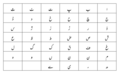 Standard Shahmukhi alphabets
 -
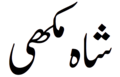 "Shahmukhi" written in Shahmukhi script
 -
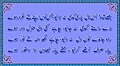 Another example of poetry by Bulleh Shah in Shahmukhi


See also[edit | edit source]
References[edit | edit source]
- ↑ Evans, Lorna Priest; Malik, M.G. Abbas (1 May 2019). "Unicode Proposal for ArLaam" (PDF). Unicode. Punjabi Parchar. Archived (PDF) from the original on 21 April 2020. Retrieved 21 April 2020.
- ↑ Singh Saini, Tejineder; Singh Lehal, Gurpreet; S Kalra, Virinder (August 2008). "Shahmukhi to Gurmukhī Transliteration System". Aclweb.org. Coling 2008 Organizing Committee: 177–180. Archived (PDF) from the original on 14 August 2017. Retrieved 21 April 2020.
- ↑ Sharma, Saurabh; Gupta, Vishal (May 2013). "Punjabi Documents Clustering System" (PDF). Journal of Emerging Technologies in Web Intelligence. 5 (2): 174. doi:10.4304/JETWI.5.2.171-187. S2CID 55699784. Archived from the original (PDF) on 21 April 2020. Retrieved 21 April 2020.
- ↑ 4.0 4.1 Dhanju, Kawarbir Singh; Lehal, Gurpreet Singh; Saini, Tejinder Singh; Kaur, Arshdeep (October 2015). "Design and Implementation of Shahmukhi Spell Checker" (PDF). Learnpunjabi.org. Archived (PDF) from the original on 21 December 2018. Retrieved 2 May 2020.
- ↑ Malik, Muhammad Ghulam Abbas; Boitet, Christian; Bhattcharyya, Pushpak (27 June 2012) [2010]. "Analysis of Noori Nasta'leeq for Major Pakistani Languages". King AbdulAziz University. Penang, Malaysia. p. 4. Archived (PDF) from the original on 15 August 2017. Retrieved 21 April 2020.
- ↑ Dorren, Gaston (2018). Babel: Around the World in Twenty Languages. Profile Books. ISBN 978-1782832508.
- ↑ Sharma, Saurabh; Gupta, Vishal (May 2013). "Punjabi Documents Clustering System" (PDF). Journal of Emerging Technologies in Web Intelligence. 5 (2): 174. doi:10.4304/JETWI.5.2.171-187. S2CID 55699784. Archived from the original (PDF) on 21 April 2020. Retrieved 21 April 2020.
- ↑ Handbook of Literacy in Akshara Orthography. Springer. 2019. p. 142. ISBN 978-3030059774.
- ↑ Shackle, Christopher. "Punjabi language". Encyclopedia Britannica. Retrieved 2021-06-12.
- ↑ 10.0 10.1 Shackle, Christopher (2007). "Panjabi". In Cardona, George; Jain, Dhanesh (eds.). The Indo-Aryan Languages. Routledge. p. 655. ISBN 978-0-415-77294-5.
- ↑ Dhavan, Purnima (2019-12-31), Green, Nile (ed.), "Marking Boundaries and Building Bridges: Persian Scholarly Networks in Mughal Punjab", The Persianate World, University of California Press, pp. 168–169, doi:10.1525/9780520972100-009, ISBN 978-0-520-97210-0, S2CID 211601323
{{citation}}: CS1 maint: work parameter with ISBN (link) - ↑ "110 new languages are coming to Google Translate". Google. 27 June 2024. Retrieved 6 June 2025.
Here are some of the newly supported languages in Google Translate ... Punjabi (Shahmukhi) is the variety of Punjabi written in Perso-Arabic script (Shahmukhi), and is the most spoken language in Pakistan.
- ↑ Shah, Aditi (28 June 2024). "Google Translate Now Supports 110 New Languages Including Marwari, Awadhi, Shahmukhi And More". NDTV. Retrieved 6 June 2025.
- ↑ "Milestone for Punjabi-speaking community, Google translate now supports Shahmukhi script". Babushahi. 2 June 2024. Retrieved 6 June 2025.
- ↑ Bashir, Elena; Conners, Thomas J.; Hefright, Brook (2019). A descriptive grammar of Hindko, Panjabi, and Saraiki. Hefright, Brook. De Gruyter Mouton. pp. 62, 77. ISBN 978-1-61451-296-7. OCLC 1062344143.
- ↑ Bhardwaj, Mangat (2016). Panjabi: A Comprehensive Grammar. Routledge. p. 378. ISBN 978-1317643265.
It is an ancient Arabic writing tradition (carried on in Persian, Urdu and Shahmukhi) to omit the diacritics (except the Hamza) in ordinary writing and to depend on the context to interpret a word.
- ↑ Delacy, Richard (2003). Beginner's Urdu Script. McGraw-Hill. pp. xv–xvi.
- ↑ 18.0 18.1 Rarely used in literature, except when a distinction between the pronunciation of the non-retroflex character is needed
- ↑
- ↑ 20.0 20.1 "Urdu romanization" (PDF). The Library of Congress.
- ↑
Further reading[edit | edit source]
External links[edit | edit source]
- Shahmukhi to Gurmukhi Transliteration System: A Corpus based Approach
- Online Shahmukhi - Gurmukhi and Gurmukhi - Shahmukhi text Conversion tool
- Online Punjabi Dictionary in both Shahmukhi and Gurmukhi
- The Western Panjabi Alphabet Archived 2017-11-30 at the Wayback Machine
- Learn Shahmukhi
- Likhari in Shahmukhi
- Kalam-e-Baba Nanak
- Punjabi and Punjab
- E-Book on Gurmukhi and Shahmukhi
- PDF on Gurmukhi and Shahmukhi[usurped]