



 |
| Chaubis Avtar | |
|---|---|
| Dasam Granth | |
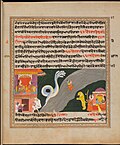
 Beginning part of the Krishna Avtar composition (part of the Chaubis Avtar section) of the Dasam Granth in the penmanship of Guru Gobind Singh. | |
| Information | |
| Religion | Sikhism |
| Author | Guru Gobind Singh |
| Period | 1688–1698 |
| Chapters | 24 |
| Verses | 5571 |
| Part of a series on |
| Sikhism |
|---|
 |
| Part of a series on |
| Dasam Granth |
|---|
 |
| Dasam Granth - (ਦਸਮ ਗ੍ਰੰਥ ਸਾਹਿਬ) |
| Banis |
| Other Related Banis |
| Various aspects |
| Idolatry Prohibition |
Chaubis Avtar (Punjabi: ਚੌਬੀਸ ਅਵਤਾਰ, lit. 'the twenty four incarnations', pronunciation: [t͡ʃɔbiːs äːʋt̪aɾ]) is a composition in Dasam Granth containing history of 24 incarnations (avatars) of Vishnu.[1]
Synopsis[edit | edit source]
It is traditionally and historically attributed to Guru Gobind Singh.[1] However, the opening lines of the work use a pen-name of Siām, which some argue was one of the court poets of the Guru whilst others believe it was one of the Guru's pen-names.[1] The composition covers 30% of the Dasam Granth containing 5571 verses with longest sub compositions being Krishna Avtar and Rama avtar, having 2492 and 864 verses each. The Kalki avtar chapter contains 588 verses.[1]

The Chaubis Avtar is part of all five known major historical variants of Dasam Granth, but they are sequenced differently in these editions.[2]
The text is notable for naming Jaina Arihanta as an avatar of Vishnu who practiced asceticism, forbade Yajna and Himsa.[3] The text names Buddha as the 23rd avatar of Vishnu, adds Brahma also as avatar of Vishnu, the last two in a manner similar to the Puranas tradition of Hinduism.[3] However, unlike many regional Hindu texts, the Chaubis Avtar avatar mentions many more Vishnu avatars. It also is unique in that it lists Brahma, Shiva, and Mahidi as avatars of Vishnu, which differentiates it from other works of literature on the avatars of Vishnu, whom generally do not list these entities as one of Vishnu's incarnations.[1] The verses and composition is martial, stating that avatar of Vishnu appears in the world to restore good and defeat evil, but asserts that these avatars are not God, but agents of the God that is never born nor dies.[3] The predominant part of the text is in Braj language of north India.[3]
Chandi is eulogized at various points in the work of literature, such as at the beginning between verses no.5–8.[1] The deity Krishna is stated to be a devotee of Chandi himself in the text and that he recites hymns praising Durga, such as the Durga Saptasati, after a morning ritual bath and offering.[1]
As per verse no.3 of the text, Kal is responsible for the dispatching and destruction of the avatars.[1] Most accounts of the various avatars are condensed to a short description of brevity in the work.[1]
The composition itself states on verse no.861 that it was "completed on the bank of the Sutlej River on the base of Naina Devi".[1]
The text claims it was written for the purpose of espousing the tenets of dharamyudh.[1]
Rejection of preexisting religious paradigms[edit | edit source]
Various quotations from the text reject the religions of Hindus and Muslims:[1]
Since I grabbed hold of your feet, I lower my eyes before no one else.
The Puranas speak of Ram, and the Qur'an of Rahim, but I don't believe in either of them.
The Smrtis, the Shastras [Śāstras], the Vedas, all proclaim various mysteries, but I do not recognize a single one of them.
O Revered Sword-Bearing Lord [asipāni], it was through your grace that this story was told.
— Guru Gobind Singh, Chaubis Avtar (Ram Avtar section), verse no.863
The text further states:[1]
I will not first honor Ganesha [Ganesa], nor do I ever meditate upon Krishna or Vishnu (kisan bisan).
I have heard of but do not recognize them. I am absorbed in contemplation at His feet. (434)
Mahakal is my protector....
— Guru Gobind Singh, Chaubis Avtar (Krishna Avtar section), verse no.434
List of 24 Avatars[edit | edit source]
Guru Gobind Singh gives the life account of following Avatars in the composition:[1]
- Machh (Matsya)
- Kachh (Kurma)
- Nar (Nara in Nara-Narayana)
- Narayan (Narayana in Nara-Narayana)
- Maha Mohini (Mohini)
- Bairaha (Varaha)
- Nar Singh (Narasimha)
- Baman (Vamana)
- Parshuram (Parashurama)
- Bramma (Brahma)
- Rudra (Shiva)
- Jalandhar (Jalandhara)
- Bishan (Vishnu)
- Sheshayi (Shesha)
- Arihant Dev (Arihanta)
- Manu Raja (Manu)
- Dhanvantari (Dhanvantari)
- Suraj (Surya)
- Chandar (Chandra)
- Ram (Rama)
- Kishan (Krishna)
- Nar (Arjuna)
- Buddh (Buddha)
- Kalki (Kalki)
Historicity[edit | edit source]

Per internal references of Dasam Granth, Krishna Avtar was composed in Vikram Samvat 1745/ 1688 AD at Paonta Sahib when Guru Gobind Singh was residing there[4][1] where Rama Avtar was finished at Anandpur Sahib in 1755 VS/1698 AD.[5][1]
Following are historical references of 18th century serves as evidences that Guru Gobind Singh had written this composition at Anandpur as well as at Paunta Sahib:
- Letter to Mata Sundri, Bhai Mani Singh: The letter was written by Bhai Mani Singh to Mata Sundri, after 5 years of demise of Guru Gobind Singh.[6] This manuscript provides evidence of writing of Krishna Avtar by Guru Gobind Singh also includes 303 Charitars and Shastar Nam Mala. This manuscript was written before compilation of dasam granth during collections of various compositions.[7] Among critics Gyani Harnam Singh Balabh believes that only 303 Charitars were written by Guru Gobind Singh among 404 Charitars in Charitropakhyan.[8]
- Parchi Gobind Singh - Bava Sevadas: This manuscript was finished sometime in the second quarter of the eighteenth century (around 1741) by Seva Das, an Udasi.[9] He mentioned famous quote from Rama Avtar, a composition within Chaubis Avtar.
- Mahima Parkash, Sarup Das Bhalla: This book was completed by Sarup Das, who belonged to lineage of Guru Amar Das, in 1776. He had access to the complete Dasam Granth and mentioned that Chaubis Avtar was written by Guru Gobind Singh. [contradictory]
Controversies[edit | edit source]
- Mahima Parkash, Sarup Das Bhalla: This book was completed by Sarup Das, who belonged to lineage of Guru Amar Das, in 1776. He had access to the complete Dasam Granth and He mentions that many texts including 4 Vedas, 6 Purans, Chaubis Avtar and 404 chartiras were among various texts translated by scholars to Gurmukhi script. After all the Sanskrit Language was translated and recited to Guru Gobind Singh, Guru Gobind Singh was happy and then everything added to the Vidya Sagar Granth:[10]
Full text below:
ਦੋਹਰਾ॥
ਬੇਦ ਬਿਦਿਆ ਪ੍ਰਕਾਸ਼ ਕੋ ਸੰਕਲਪ ਧਰਿਓ ਮਨ ਦਿਆਲ ॥
ਪੰਡਤ ਪੁਰਾਨ ਇੱਕਤ੍ਰ ਕਰ ਭਾਖਾ ਰਚੀ ਬਿਸਾਲ ॥
ਚੋਪਈ॥
ਆਗਿਆ ਕੀਨੀ ਸਤਗੁਰ ਦਿਆਲਾ ॥
ਬਿਦਿਆਵਾਨ ਪੰਡਤ ਲੇਹੁ ਭਾਲ ॥
ਜੋ ਜਿਸ ਬਿਦਾਆ ਗਿਆਤਾ ਹੋਇ ॥
ਵਹੀ ਪੁਰਾਨ ਸੰਗ ਲਿਆਵੇ ਸੋਇ ॥
ਦੇਸ ਦੇਸ ਕੋ ਸਿਖ ਚਲਾਏ ॥
ਪੰਡਤ ਪੁਰਾਨ ਸੰਗਤਿ ਲਿਆਏ ॥
ਬਾਨਾਰਸ ਆਦ ਜੋ ਬਿਦਿਆ ਠੌਰਾ ॥
ਪੰਡਤ ਸਭ ਬਿਦਿਆ ਸਿਰਮੌਰਾ ॥
ਸਤਿਗੁਰ ਕੇ ਆਇ ਇਕਤ੍ਰ ਸਭ ਭਏ ॥
ਬਹੁ ਆਦਰ ਸਤਗੁਰ ਜੀ ਦਏ ॥
ਮਿਰਜਾਦਾਬਾਧ ਖਰਚ ਕੋ ਦਇਆ ॥
ਖੇਦ ਬਿਭੇਦ ਕਾਹੂ ਨਹੀਂ ਭਇਆ ॥
ਗੁਰਮੁਖੀ ਲਿਖਾਰੀ ਨਿਕਟ ਬੁਲਾਏ ॥
ਤਾ ਕੋ ਸਭ ਬਿਧ ਦਈ ਬਣਾਏ ॥
ਕਰ ਭਾਖਾ ਲਿਖੋ ਗੁਰਮੁਖੀ ਭਾਇ ॥
ਮੁਨਿਮੋ ਕੋ ਦੇਹੁ ਕਥਾ ਸੁਨਾਇ ॥
ਦੋਹਰਾ ॥
ਨਨੂਆ ਬੈਰਾਗੀ ਸ਼ਿਆਮ ਕਬ ਬ੍ਰਹਮ ਭਾਟ ਜੋ ਆਹਾ ॥
ਭਈ ਨਿਹਚਲ ਫਕੀਰ ਗੁਰ ਬਡੇ ਗੁਨਗ ਗੁਨ ਤਾਹਾ॥
ਅਵਰ ਕੇਤਕ ਤਿਨ ਨਾਮ ਨ ਜਾਨੋ ॥
ਲਿਖੇ ਸਗਲ ਪੁਨਿ ਕਰੇ ਬਿਖਾਨੋ ॥
ਚਾਰ ਬੇਦ ਦਸ ਅਸ਼ਟ ਪੁਰਾਨਾ ॥
ਛੈ ਸਾਸਤ੍ਰ ਸਿਮ੍ਰਤ ਆਨਾ ॥
ਚੋਪਈ॥
ਚੋਬਿਸ ਅਵਤਾਰ ਕੀ ਭਾਖਾ ਕੀਨਾ॥
ਚਾਰ ਸੋ ਚਾਰ ਚਲਿਤ੍ਰ ਨਵੀਨਾ॥
ਭਾਖਾ ਬਣਾਈ ਪ੍ਰਭ ਸ੍ਰਵਣ ਕਰਾਈ॥
ਭਏ ਪ੍ਰਸੰਨ ਸਤਗੁਰ ਮਨ ਭਾਈ॥
ਸਭ ਸਹੰਸਕ੍ਰਿਤ ਭਾਖਾ ਕਰੀ ॥
ਬਿਦਿਆ ਸਾਗਰ ਗ੍ਰਿੰਥ ਪਰ ਚੜੀ ॥
- Chaubees Avtar: Inside Chaubees Avtar, first page mentions that Kavi Shyam is narrating this as per his understanding.
ਬਰਨਤ ਸ੍ਯਾਮ ਜਥਾਮਤਿ ਭਾਈ॥੧॥
Barnta Saiaam Jathaamti Bhaaeee॥1॥
The poet Shyam is narrating it according or his own under-standing.1.
੨੪ ਅਵਤਾਰ ਮੱਛ - ੧/(੪) - ਸ੍ਰੀ ਦਸਮ ਗ੍ਰੰਥ ਸਾਹਿਬ
[11]
Further in the Chheera Samuaandar Mathan, there is reference to Poet Shyam:
ਕਬਿ ਸ੍ਯਾਮ ਕਵਿਤਨ ਮਧਿ ਕਥਿਯੋ॥
Kabi Saiaam Kavitan Madhi Kathiyo॥
Both the gods and demons unitedly churned the ocean, which hath been narrated in verse by the poet Shyam.
੨੪ ਅਵਤਾਰ ਸਮੁੰਦ੍ਰ ਮਥਨ - ੧/੨ - ਸ੍ਰੀ ਦਸਮ ਗ੍ਰੰਥ ਸਾਹਿਬ
[12]
Relation with Puranas[edit | edit source]

The major difference between the Puranas and Chaubis Avtar is that Chaubis Avtar believes in monotheism. It preaches almighty is beyond Birth and treats all incarnations as agents working for God.[3]
Krishna Avtar was written on the basis of the Dasam Skand of Srimad Bhagwat Puran, with many sanctifications and comments by poet.[1]
Among different versions of Ramayana, Guru Gobind Singh also wrote his version under the title Rama Avtar.
Reception[edit | edit source]

The two avatars of Vishnu, Rama and Krishna, comprise the longest part of the Chaubis Avtar.[1] Modern era scholars state that verse 863 of the Rama Avatar section of the text rejects worship of particular gods, reject the scriptures of both Hinduism and Islam, and instead reveres the "Sword-bearing lord" (Asipani).[13] The verse, translates Robin Rinehart, states, "Since I grabbed hold of your feet, I lower my eyes before no one else. The Puranas speak of Ram, and the Quran of Rahim, but I don't believe in either of them".[13] Similarly, in verse 434 of Krishna Avatar of the text reveres Mahakal, and asserts that "I will not first honor Ganesha", nor meditate of Krishna or Vishnu, and "I am absorbed in contemplation of His feet. Mahakal is my protector."[13] The verses in the text, states Rinehart, praise Hindu goddesses (Devi) such as Chandi and Durga.[13]
The framework of the Devi-related verses in the text, according to Harjot Oberoi, are the 6th-century Devi Mahatmya and the 12th-century Devi-Bhagavata Purana Hindu texts, which describe and revere the divine feminine.[14] The theological import, states Oberoi, is not about deity reincarnation, but accepting the masculine and feminine dimension of Ultimate Reality.[14] These verses on fierce goddesses Durga and Chandi have been interpreted in martial context, by many Sikh commentators, as meant to symbolize sword and to inspire Sikh warriors heading into battle during the Mughal Empire persecution.[15]
See also[edit | edit source]
References[edit | edit source]
- ↑ 1.00 1.01 1.02 1.03 1.04 1.05 1.06 1.07 1.08 1.09 1.10 1.11 1.12 1.13 1.14 1.15 1.16 1.17 Rinehart, Robin (2011). Debating the Dasam Granth. Oxford University Press. pp. 29–31. ISBN 978-0-19-984247-6.
- ↑ J Deol (2000), Sikh Religion, Culture and Ethnicity (Editors: AS Mandair, C Shackle, G Singh), Routledge, ISBN 978-0700713899, pages 31-33
- ↑ 3.0 3.1 3.2 3.3 3.4 SS Kapoor, Dasam Granth, Hemkunt Press, pages 68-74
- ↑ Krishna Avtar, ਸੱਤ੍ਰਹ ਸੈ ਪੈਤਾਲ ਮਹਿ ਸਾਵਨ ਸੁਦਿ ਥਿਤਿ ਦੀਪ ॥ ਨਗਰ ਪਾਂਵਟਾ ਸੁਭ ਕਰਨ ਜਮਨਾ ਬਹੈ ਸਮੀਪ ॥੨੪੯੦॥ ਦਸਮ ਕਥਾ ਭਾਗਉਤ ਕੀ ਭਾਖਾ ਕਰੀ ਬਨਾਇ ॥ ਅਵਰ ਬਾਸਨਾ ਨਾਹਿ ਪ੍ਰਭ ਧਰਮ ਜੁੱਧ ਕੇ ਚਾਇ ॥੨੪੯੧॥
- ↑ Rama Avtar, Dasam Granth, ਸੰਮਤ ਸੱਤ੍ਰਹ ਸਹਸ ਪਚਾਵਨ ॥ ਹਾੜ ਵਦੀ ਪ੍ਰਿਥਮਿ ਸੁਖ ਦਾਵਨ ॥ ਤ੍ਵ ਪ੍ਰਸਾਦਿ ਕਰਿ ਗ੍ਰੰਥ ਸੁਧਾਰਾ ॥ ਭੂਲ ਪਰੀ ਲਹੁ ਲੇਹੁ ਸੁਧਾਰਾ ॥੮੬੦॥ ਨੇਤ੍ਰ ਤੁੰਗ ਕੇ ਚਰਨ ਤਰਿ ਸਤਦ੍ਰੱਵ ਤੀਰ ਤਰੰਗ ॥ ਸ੍ਰੀ ਭਗਵਤ ਪੂਰਨ ਕੀਯੋ ਰਘੁਬਰ ਕਥਾ ਪ੍ਰਸੰਗ ॥੮੬੧॥
- ↑ ....ਭਾਈ ਮਨੀ ਸਿੰਘ ਜੀ ਦਾ ਸੰਪਰਕ ਦੇਸ਼ ਦੀ ਰਾਜਧਾਨੀ ਦਿੱਲੀ ਨਾਲ ਨਿਰੰਤਰ ਬਣਿਆ ਸੀ ਅਤੇ ਉਨ੍ਹਾਂ ਦਾ ਇਹ ਪੱਤਰ ਗੁਰੂ ਗੋਬਿੰਦ ਸਿੰਘ ਜੀ ਦੇ ਜੋਤੀ-ਜੋਤਿ ਸਮਾਉਣ ਤੋਂ ਵੀ ਕੋਈ 4-5 ਸਾਲ ਬਾਅਦ ਦਾ ਹੈ।.....Sri Dasam Granth Krtitv, Dr. Harbhajan Singh
- ↑ ...ਭਾਈ ਮਨੀ ਸਿੰਘ ਜੀ ਦੁਆਰਾ ਮਾਤਾ ਸੁੰਦਰੀ ਜੀ ਨੂੰ ਲਿਖਿਆ ਇਕ ਪੱਤਰ ਉਪਲਬਧ ਹੈ, ਜਿਸ ਵਿਚ ਉਨ੍ਹਾਂ ਨੇ 303 'ਚਰਿਤਰ ਉਪਾਖਿਆਨ' ਅਤੇ 'ਕ੍ਰਿਸ਼ਨ ਅਵਤਾਰ' ਦਾ ਪੂਰਬਾਰਧ ਮਿਲ ਜਾਣ ਅਤੇ ਇਸ ਦਾ ਉਤਰਾਰਧ ਅਥਵਾ 'ਸ਼ਸਤ੍ਰ ਨਾਮ ਮਾਲਾ' ਨਾ ਮਿਲਣ ਦਾ ਜ਼ਿਕਰ ਕੀਤਾ ਹੈ। ...Sri Dasam Granth Krtitv, Dr. Harbhajan Singh
- ↑ ...ਇਹ ਵੀ ਸੋਚਣ ਦੀ ਗਲ ਹੈ ਕਿ ਜੇ ਇਸ ਚਿੱਠੀ ਦੇ ਅਸਤਿਤ੍ਵ ਦੀ ਖ਼ਬਰ 'ਦਸਮ ਗ੍ਰੰਥ' ਦੀ ਬਾਣੀ ਉਤੇ ਵਿਸ਼ਵਾਸ ਕਰਨ ਵਾਲੇ ਕਿਸੇ ਵਿਅਕਤੀ ਤੋਂ ਮਿਲਦੀ, ਤਾਂ ਇਹ ਮੰਨਿਆ ਜਾ ਸਕਦਾ ਸੀ ਕਿ ਪੂਰੇ 'ਦਸਮ ਗ੍ਰੰਥ' ਨੂੰ ਗੁਰੂ-ਕ੍ਰਿਤ ਦਸਣ ਵਾਸਤੇ ਉਸ ਨੇ ਫ਼ਰਜ਼ੀ ਚਿੱਠੀ ਬਣਾਈ ਹੈ। ਪਰ ਸਥਿਤੀ ਇਸ ਦੇ ਉਲਟ ਹੈ। ਜਿਸ ਗਿ. ਹਰਨਾਮ ਸਿੰਘ 'ਬਲਭ' ਨੇ ਸ. ਕਰਮ ਸਿੰਘ 'ਹਿਸਟੋਰੀਅਨ' ਦੀ ਪ੍ਰੁੇੁਰਨਾ ਨਾਲ ਇਸ ਪੱਤਰ ਨੂੰ ਖੋਜ ਕੇ ਪ੍ਰਚਾਰਿਆ ਸੀ, ਵਾਸਤਵ ਵਿਚ ਉਹ 'ਦਸਮ ਗ੍ਰੰਥ' ਦਾ ਵਿਰੋਧੀ ਸੀ। 'ਕ੍ਰਿਸ਼ਨਾਵਤਾਰ ਬਾਣੀ', ਜਿਸ ਦਾ ਜ਼ਿਕਰ ਇਸ ਪੱਤਰ ਵਿਚ ਹੈ, ਉਸ ਨੂੰ ਗਿਆਨੀ ਹਰਨਾਮ ਸਿੰਘ ਕਿਸੇ ਕਵੀ ਦੀ ਰਚਨਾ ਮੰਨਦਾ ਹੈ। ਉਸ ਦੇ ਵਿਚਾਰ ਅਨੁਸਾਰ 'ਚਰਿਤਰੋਪਾਖਿਆਨ' ਦੇ ਕੇਵਲ 303 ਚਰਿਤ੍ਰ ਗੁਰੂ-ਕ੍ਰਿਤ ਹਨ। ...Sri Dasam Granth Krtitv, Dr. Harbhajan Singh
- ↑ "Parchi and History". Archived from the original on 2013-12-27. Retrieved 2013-07-12.
- ↑ Mahima Parkasa.
- ↑ https://www.searchgurbani.com/dasam-granth/page/318
- ↑ https://www.searchgurbani.com/dasam-granth/page/328
- ↑ 13.0 13.1 13.2 13.3 Robin Rinehart (2011). Debating the Dasam Granth. Oxford University Press. pp. 29–32. ISBN 978-0199842476.
- ↑ 14.0 14.1 Harjot Oberoi (1994). The Construction of Religious Boundaries: Culture, Identity, and Diversity in the Sikh Tradition. University of Chicago Press. pp. 96–97. ISBN 978-0-226-61592-9.
- ↑ Robin Rinehart (2011). Debating the Dasam Granth. Oxford University Press. pp. 19–22, 96–108, 125–136. ISBN 978-0199842476.
External links[edit | edit source]
- Chaubis Avtar in Indian languages and an English translation
- Giani Sant Singh Maskeen Panth Rattan on Chaubis Avtar
- Nihhkalanki Avtar Katha - Sachkhoj Academy
- Chaubis Avtar Commencement Katha by Dharam Singh Nihang Singh
- Mahima Prakash