

robot: Update article (please report if you notice any mistake or error in this edit) |
Sshekhar898 (talk | contribs) improved details based on references and improved wording |
||
| Line 1: | Line 1: | ||
{{Short description| | {{Short description|Solar calendar used in India}} | ||
{{About|the calendar introduced by the Government of India in 1957|other calendars using the Śaka era|Shaka era}} | |||
{{Use Indian English|date=April 2021}} | {{Use Indian English|date=April 2021}} | ||
{{Use dmy dates|date=September 2023}} | |||
[[File:Gazette_notification_by_Govt._of_India.jpg|thumb|right|The Gazette of India is dated in both the Gregorian calendar and the Indian national calendar.]] | |||
The '''Indian national calendar''', also called the '''Shaka calendar''' or '''Śaka calendar''', is a [[solar calendar]] that is used alongside the [[Gregorian calendar]] by ''[[The Gazette of India]]'', in news broadcasts by [[All India Radio]], and in calendars and official communications issued by the [[Government of India]].<ref name="KnowIndia"> | |||
{{cite web | |||
|title=National calendar | |||
|department=National identity elements | |||
|website=Know India: National portal of India | |||
|url=https://knowindia.india.gov.in/national-identity-elements/national-calendar.php | |||
|access-date=2024-11-27 }} | |||
</ref> It was adopted in 1957 following the recommendation of the Calendar Reform Committee. | |||
''Śaka Samvat'' is generally 78 years behind the Gregorian calendar, except from January–March, when it is behind by 79 years. | |||
== Calendar structure == | == Calendar structure == | ||
The calendar months follow the signs of the [[tropical zodiac]] rather than the [[sidereal zodiac]] normally used with the [[Hindu calendar|Hindu]] and [[Buddhist calendar|Buddhist]] calendars. | The calendar months follow the signs of the [[tropical zodiac]] rather than the [[sidereal zodiac]] normally used with the [[Hindu calendar|Hindu]] and [[Buddhist calendar|Buddhist]] calendars.<ref name="IndCalSystem">{{cite book |last1=Chatterjee |first1=S. K. |title=Indian Calendric System |date=1998 |publisher=Ministry of Information and Broadcasting, Government of India |location=New Delhi |url=https://archive.org/details/IndianCalendricSystem-SK-Chatterjee/page/n17 |language=English}}</ref> | ||
{| class="wikitable standard" | {| class="wikitable standard" | ||
! # | ! # | ||
! Name | ! Name<ref name="IndCalSystem" /> | ||
! Length | ! Length | ||
! Start date (Gregorian) | ! Start date (Gregorian) | ||
! Tropical zodiac | ! Tropical zodiac (Western) | ||
! Tropical zodiac (Sanskrit) | ! Tropical zodiac (Sanskrit) | ||
|- | |- | ||
|1 | |1 | ||
|[[Chaitra]] | |[[Chaitra]]||30 (31)||22 (21) March||Aries||Meṣa | ||
|30 | |||
| | |||
|Aries | |||
| | |||
|- | |- | ||
| 2 | | 2 | ||
|[[Vaisakha | |[[Vaisakha]]||31||21 April||Taurus||Vṛśabha | ||
|- | |- | ||
| 3 | | 3 | ||
| [[Jyeshtha (month)| | | [[Jyeshtha (month)|Jyaishtha]]|| 31 || 22 May || Gemini || Mithuna | ||
|- | |- | ||
| 4 | | 4 | ||
| [[Ashadha | | [[Ashadha]]|| 31 || 22 June || Cancer || Karkaṭa/Karka | ||
|- | |- | ||
| 5 | | 5 | ||
| [[ | | [[Shravana (month)|Sravana]]|| 31 || 23 July || Leo || Siṃha | ||
|- | |- | ||
| 6 | | 6 | ||
|[[ | | [[Bhadra (Hindu calendar)|Bhadra]]|| 31 || 23 August || Virgo || Kanyā | ||
|- | |- | ||
| 7 | | 7 | ||
| [[Ashvin| | | [[Ashvin (month)|Asvina]]|| 30 || 23 September || Libra || Tulā | ||
|- | |- | ||
| 8 | | 8 | ||
| [[Kārtika]]|| 30 || October | | [[Kārtika (month)|Kartika]]|| 30 || 23 October || Scorpio || Vṛiścika | ||
|- | |- | ||
| 9 | | 9 | ||
| [[Agrahayana | | [[Agrahayana]] or Margasirsha || 30 || 22 November || Sagittarius || Dhanur | ||
|- | |- | ||
| 10 | | 10 | ||
| [[Pausha]]|| 30 || December | | [[Pausha]]|| 30 || 22 December || Capricorn || Makara | ||
|- | |- | ||
| 11 | | 11 | ||
|[[Magha (month)| | | [[Magha (month)|Magha]]|| 30 || 21 January || Aquarius || Kumbha | ||
|- | |- | ||
| 12 | | 12 | ||
| [[Phalguna | | [[Phalguna]]|| 30 || 20 February || Pisces || Mīna | ||
|- | |- | ||
|} | |} | ||
Chaitra | Chaitra is the first month of the calendar and begins on or near the [[March equinox]]. Chaitra has 30 days and starts on 22 March, except in [[leap years]], when it has 31 days and starts on 21 March.<ref name="KnowIndia" /> All months other than Chaitra start on fixed dates in the Gregorian calendar. The months in the first half of the year all average out to having 31 days, to take into account the slower movement of the sun across the [[ecliptic]] at this time. This is similar to the [[Iranian calendar|Iranian]] [[Solar Hijri calendar]]. | ||
The names of the months are derived from older | The names of the months are derived from the older [[Hindu calendar|Hindu lunisolar calendar]], so variations in spellings exist, and there is a possible source of confusion as to what calendar a date belongs to.<ref name="IndCalSystem" /> The traditional lunar calendar months were named based on the position of the Full Moon (opposite the Sun), thus the solar month names are derived from lunar nakshatra 180° from the position of the Sun. | ||
The first day of the week is | The names of the weekdays are derived from the [[seven classical planets]] (see [[Navagraha]]). The first day of the week is Ravivāra (Sunday).<ref name=Quint-2019-03-22-Shaka> | ||
{{cite news | |||
|title=Happy 'Saka' New Year 1941: Story Behind India's National Calendar | |||
|date=22 March 2019 | |||
|website=The Quint (thequint.com) |lang=en | |||
|url=https://www.thequint.com/news/india/indian-national-calendar-saka-calendar-new-year-22-march-1941 | |||
|access-date=12 August 2020 | |||
}} | |||
</ref> The official calendar reckoned by the government of India has Sunday as the first and Saturday as the last day of the week.<ref name="Gvt-Ind-calendar">{{cite web | |||
|title=Holiday calendar | |||
|publisher=[[Government of India]] | |||
|website=india.gov.in | |||
|type=official website | |||
|url=https://www.india.gov.in/calendar | |||
}}</ref> | |||
{| class="wikitable" | :{| class="wikitable" style="text-align:center;" | ||
|+ | |+ {{big|Weekdays of the Shaka calendar}}<ref name=Quint-2019-03-22-Shaka/> | ||
! | |- style="vertical-align:bottom;" | ||
! | ! Ordinal<br/>number | ||
! | ! [[Sanskrit language|Sanskrit]]<br/>weekday name | ||
! [[Sanskrit language|Sanskrit]]<br/>planet | |||
! Iconic image | |||
! [[English language|English]]<br/>planet | |||
! [[English language|English]]<br/>weekday | |||
|- | |- | ||
| | | {{big|'''1'''}} | ||
| | | ''Ravivāra''{{efn|''Ravivāra'' is also called ''Adivara''.}} | ||
|Sunday | | [[Surya|Ravi]] | ||
| [[File:Surya graha.JPG|90px]] | |||
| [[Sun]] | |||
| Sunday | |||
|- | |- | ||
| | | {{big|'''2'''}} | ||
| | | ''Somavāra'' | ||
|Monday | | [[Soma (deity)|Soma]] | ||
| [[File:Chandra graha.JPG|90px]] | |||
| [[Moon]] | |||
| Monday | |||
|- | |- | ||
| | | {{big|'''3'''}} | ||
| | | ''Maṅgalavāra'' | ||
|Tuesday | | [[Mangala|Maṅgala]] | ||
| [[File:Angraka graha.JPG|90px]] | |||
| [[Mars]] | |||
| Tuesday | |||
|- | |- | ||
| | | {{big|'''4'''}} | ||
| | | ''Budhavāra'' | ||
|Wednesday | | [[Budha]] | ||
| [[File:Budha graha.JPG|90px]] | |||
| [[Mercury (planet)|Mercury]] | |||
| Wednesday | |||
|- | |- | ||
| | | {{big|'''5'''}} | ||
| | | ''Bṛhaspativāra''{{efn|''Bṛhaspativāra'' is also called ''Guruvara''.}} | ||
|Thursday | | [[Brihaspati|Bṛhaspati]] | ||
| [[File:Brihaspati graha.JPG|90px]] | |||
| [[Jupiter]] | |||
| Thursday | |||
|- | |- | ||
| | | {{big|'''6'''}} | ||
| | | ''Śukravāra'' | ||
|Friday | | [[Shukra|Śukra]] | ||
| [[File:Shukra graha.JPG|90px]] | |||
| [[Venus]] | |||
| Friday | |||
|- | |- | ||
| | | {{big|'''7'''}} | ||
| | | ''Śanivāra'' | ||
|Saturday | | [[Shani|Śani]] | ||
| [[File:Shani graha.JPG|90px]] | |||
| [[Saturn]] | |||
| Saturday | |||
|} | |} | ||
Years are counted in the [[ | Years are counted in the [[Shaka era]], which starts its [[year 0]] in the year {{nobr|[[AD 78|78 {{sc|CE}}]]}} of the [[Common Era]]. To determine leap years, add 78 to the ''Shaka'' year – if the result is a leap year in the Gregorian calendar, then the Shaka year is a leap year as well.<ref> | ||
{{cite encyclopedia | |||
|title=Chronology – reckonings dated from a historical event | |||
|encyclopedia=[[Encyclopædia Britannica]] | |||
|url=https://www.britannica.com/topic/chronology/Reckonings-dated-from-a-historical-event#ref523197 | |||
|access-date=21 February 2023 |via=britannica.com | |||
|lang=en | |||
}}</ref> | |||
==History== | ==History== | ||
Senior Indian [[Astrophysicist]] [[Meghnad Saha]] was the head of the Calendar Reform Committee under the aegis of the [[Council of Scientific and Industrial Research]].{{efn| | |||
{{ | Other members of the Calendar Reform Committee were: | ||
{{ | {{div col begin|colwidth=8em}} | ||
[[ | : A.C. Banerjee | ||
: K.L. Daftari | |||
: J.S. Karandikar | |||
: Gorakh Prasad | |||
: R.V. Vaidya | |||
: N.C. Lahiri | |||
{{div col end}} | |||
}} | |||
It was Saha's effort which led to the formation of the committee in 1952. The task before the committee was to prepare an accurate calendar based on scientific study, which could be adopted uniformly throughout India. The committee had to undertake a detailed study of thirty different calendars prevalent in different parts of the country. The task was further complicated by the integration of those calendars with religion and local sentiments. | |||
In 1954 the committee recommended a fixed tropical solar calendar for use as a unified national civil calendar, which was adopted as the Indian national calendar. A tropical lunisolar calendar was also proposed for religious purposes but this recommendation was not accepted. | |||
India's first prime minister, [[Jawaharlal Nehru]], in his preface to the Report of the committee, published in 1955, wrote: | |||
: "They (different calendars) represent past political divisions in the country ... . Now that we have attained Independence, it is obviously desirable that there should be a certain uniformity in the calendar for our civic, social, and other purposes, and this should be done on a scientific approach to this problem."<ref> | |||
{{cite web | |||
|title=Meghnad Saha, a pioneer in astrophysics | |||
|website=Vigyan Prasar science portal (vigyanprasar.gov.in) | |||
|url=http://www.vigyanprasar.gov.in/scientists/saha/sahanew.htm |url-status=dead | |||
|archive-url=https://web.archive.org/web/20150223073932/http://www.vigyanprasar.gov.in/scientists/saha/sahanew.htm | |||
|archive-date=23 February 2015 | |||
}} See also [[Meghnad Saha]]. | |||
</ref> | |||
Usage started officially on 1 Chaitra 1879 Saka Era, or 22 March 1957. However, despite the government's attempts to propagate the calendar through official Rashtriya Panchangs, the Indian national calendar did not find acceptance with panchang makers or the general public, and current usage is largely limited to governmental offices. Existing calendars based on the Saka era remain in use, which can lead to confusion.<ref name="IndCalSystem" /> | |||
==See also== | ==See also== | ||
{{col div|colwidth= | {{col div|colwidth=13em}} | ||
* [[Astronomical basis of the Hindu calendar]] | * [[Astronomical basis of the Hindu calendar]] | ||
* [[Bengali calendar]], a related Indic calendar | * [[Bengali calendar]], a related Indic calendar | ||
* [[Bangladeshi national calendar]], a revised form of Bengali calendar used in Bangladesh | |||
* ''[[Vishuddha Siddhanta Panjika|Bisuddhasiddhanta Panjika]]'' | |||
* [[Hindu calendar]] | * [[Hindu calendar]] | ||
* [[History of calendars]] | * [[History of calendars]] | ||
* [[Indian New Year's days]] | * [[Indian New Year's days]] | ||
* | * [[Malayalam calendar]] | ||
* [[List of calendars]] | * [[List of calendars]] | ||
* [[ | * [[Solar Hijri calendar]] | ||
* [[Ritu (Indian season)]] | * [[Ritu (Indian season)]] | ||
* [[ | * [[Shaka era]] | ||
* [[Tamil calendar]] | * [[Tamil calendar]] | ||
* [[Vikram Samvat]] | * [[Vikram Samvat]] | ||
{{colend}} | |||
== Explanatory notes == | |||
{{reflist|group=nb}} | |||
{{notelist}} | |||
==References== | |||
{{reflist|25em}} | |||
==Sources== | |||
{{refbegin|25em|small=yes}} | |||
== | * {{cite report | ||
{{ | |last1=Saha |first1=M.N. (chairman) |author1-link=Meghnad Saha | ||
|first2=A.C. |last2=Banerjee |first3=K.L. |last3=Daftari | |||
|first4=J.S. |last4=Karandikar |first5=Gorakh |last5=Prasad | |||
*{{cite book | | |first6=R.V. |last6=Vaidya |first7=N.C. |last7=Lahiri | ||
|year=1955 | |||
|title=Report of the Calendar Reform Committee | |||
|place=New Delhi | |||
|publisher=Council of Scientific and Industrial Research | |||
|url=https://dspace.gipe.ac.in/xmlui/bitstream/handle/10973/39692/GIPE-043972.pdf | |||
|via=dspace.gipe.ac.in | |||
}} | |||
*{{cite book | |||
|last=Richards |first=Edward Graham | |||
|year=1998 | |||
|title=Mapping Time: The calendar and its history | |||
|publisher=Oxford University Press | |||
|isbn=978-0-19-286205-1 | |||
|pages=184–185 | |||
|edition=illstd., reprint, rev. | |||
|url=https://books.google.com/books?id=GqXDQgAACAAJ | |||
|via=Google books | |||
}} | |||
{{refend}} | |||
==External links== | ==External links== | ||
* [http://eclipse.gsfc.nasa.gov/SEhelp/calendars.html | {{refbegin|25em|small=yes}} | ||
* {{cite web | |||
|first=L.E. |last=Doggett | |||
|title=Calendars and their history | |||
|publisher=[[NASA]] / [[Goddard Space Flight Center]] | |||
|url=http://eclipse.gsfc.nasa.gov/SEhelp/calendars.html | |||
}} | |||
* {{cite web | |||
|first=Leow Choon |last=Lian | |||
|title=Indian calendars | |||
|series=Department of Mathematics | |||
|publisher=[[National University of Singapore]] | |||
|url=http://www.math.nus.edu.sg/aslaksen/projects/lcl.pdf | |||
|format=PDF, 1.22 MB | |||
|via=math.nus.edu.sg |url-status=dead | |||
|archive-url=https://web.archive.org/web/20180417203122/http://www.math.nus.edu.sg/aslaksen/projects/lcl.pdf | |||
|archive-date=2018-04-17 |df=dmy-all | |||
}} | |||
* {{cite report | |||
|title=Indian National Calendar | |||
|series=National identity elements | |||
|place=New Dehli, IN | |||
|publisher=[[Government of India]] | |||
|url=https://knowindia.india.gov.in/national-identity-elements/national-calendar.php | |||
|via=india.gov.in |lang=en | |||
}} | |||
* {{cite report | |||
|title=Current and past issues of the ''Rashtriya Panchang'' and ''the Indian Astronomical Ephemeris'' | |||
|department=Positional Astronomy Centre | |||
|series=[[India Meteorological Department]] | |||
|url=http://packolkata.gov.in/?lan=en | |||
|via=packolkata.gov.in |lang=en | |||
}} | |||
{{refend}} | |||
{{Symbols of India}} | {{Symbols of India}} | ||
| Line 148: | Line 276: | ||
{{Authority control}} | {{Authority control}} | ||
[[Category:1957 introductions]] | |||
[[Category: | [[Category:Culture of India|National calendar]] | ||
[[Category: | |||
[[Category:Months of the Hindu calendar]] | [[Category:Months of the Hindu calendar]] | ||
[[Category: | [[Category:National symbols of India|National calendar]] | ||
[[Category: | [[Category:Solar calendars]] | ||
[[Category:Time in India|National calendar]] | |||
Latest revision as of 04:00, 15 October 2025

The Indian national calendar, also called the Shaka calendar or Śaka calendar, is a solar calendar that is used alongside the Gregorian calendar by The Gazette of India, in news broadcasts by All India Radio, and in calendars and official communications issued by the Government of India.[1] It was adopted in 1957 following the recommendation of the Calendar Reform Committee.
Śaka Samvat is generally 78 years behind the Gregorian calendar, except from January–March, when it is behind by 79 years.
Calendar structure[edit | edit source]
The calendar months follow the signs of the tropical zodiac rather than the sidereal zodiac normally used with the Hindu and Buddhist calendars.[2]
| # | Name[2] | Length | Start date (Gregorian) | Tropical zodiac (Western) | Tropical zodiac (Sanskrit) |
|---|---|---|---|---|---|
| 1 | Chaitra | 30 (31) | 22 (21) March | Aries | Meṣa |
| 2 | Vaisakha | 31 | 21 April | Taurus | Vṛśabha |
| 3 | Jyaishtha | 31 | 22 May | Gemini | Mithuna |
| 4 | Ashadha | 31 | 22 June | Cancer | Karkaṭa/Karka |
| 5 | Sravana | 31 | 23 July | Leo | Siṃha |
| 6 | Bhadra | 31 | 23 August | Virgo | Kanyā |
| 7 | Asvina | 30 | 23 September | Libra | Tulā |
| 8 | Kartika | 30 | 23 October | Scorpio | Vṛiścika |
| 9 | Agrahayana or Margasirsha | 30 | 22 November | Sagittarius | Dhanur |
| 10 | Pausha | 30 | 22 December | Capricorn | Makara |
| 11 | Magha | 30 | 21 January | Aquarius | Kumbha |
| 12 | Phalguna | 30 | 20 February | Pisces | Mīna |
Chaitra is the first month of the calendar and begins on or near the March equinox. Chaitra has 30 days and starts on 22 March, except in leap years, when it has 31 days and starts on 21 March.[1] All months other than Chaitra start on fixed dates in the Gregorian calendar. The months in the first half of the year all average out to having 31 days, to take into account the slower movement of the sun across the ecliptic at this time. This is similar to the Iranian Solar Hijri calendar.
The names of the months are derived from the older Hindu lunisolar calendar, so variations in spellings exist, and there is a possible source of confusion as to what calendar a date belongs to.[2] The traditional lunar calendar months were named based on the position of the Full Moon (opposite the Sun), thus the solar month names are derived from lunar nakshatra 180° from the position of the Sun.
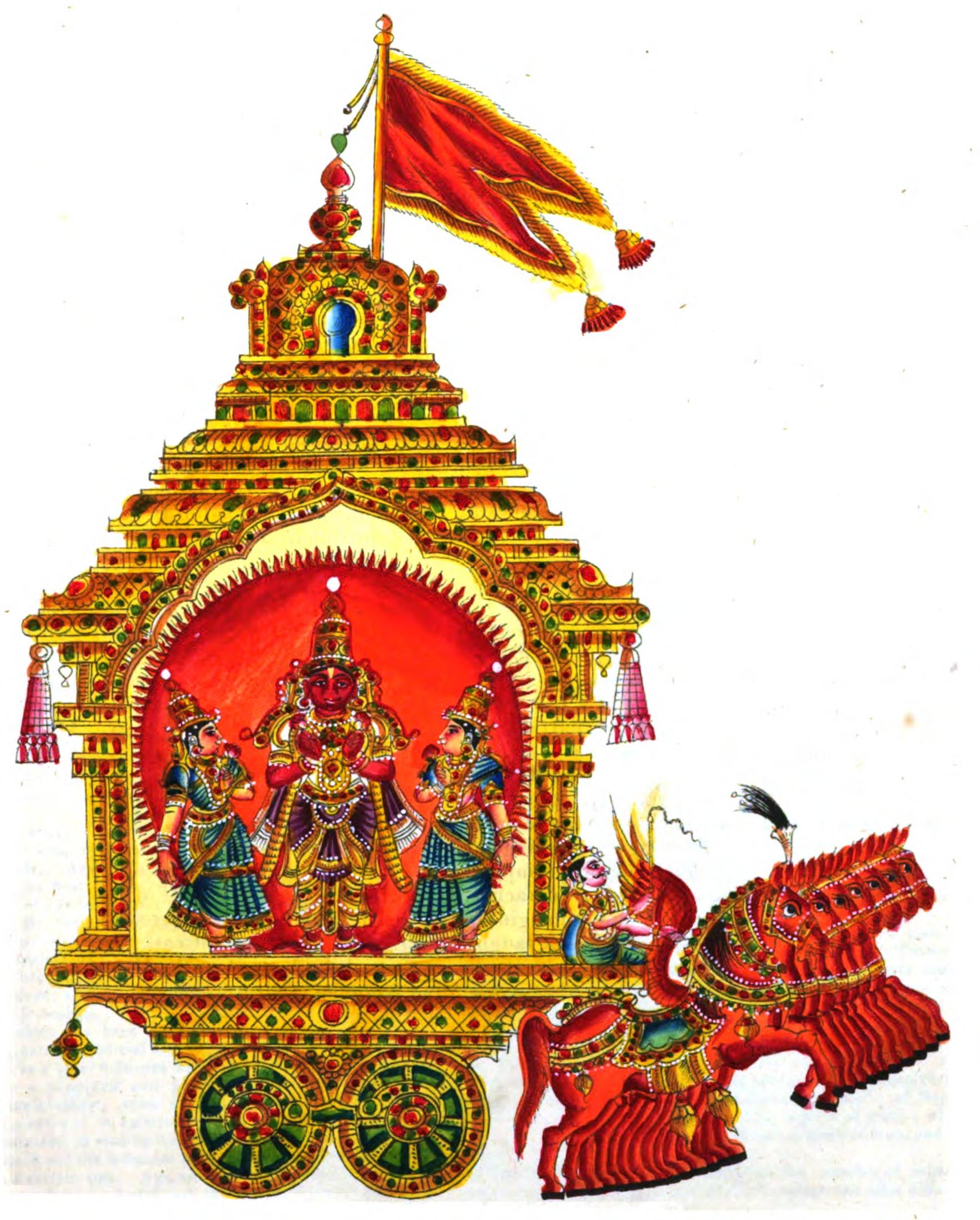
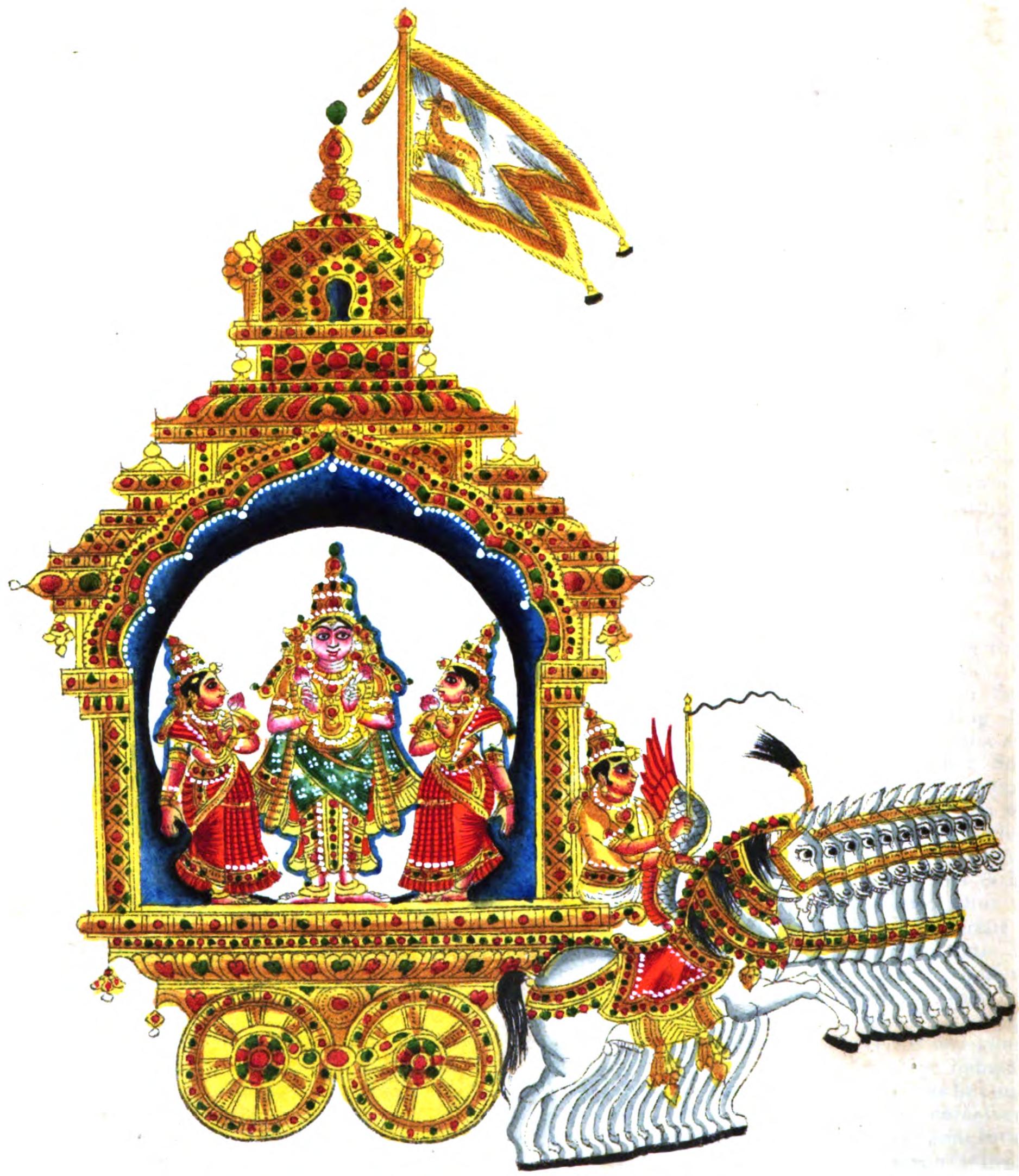
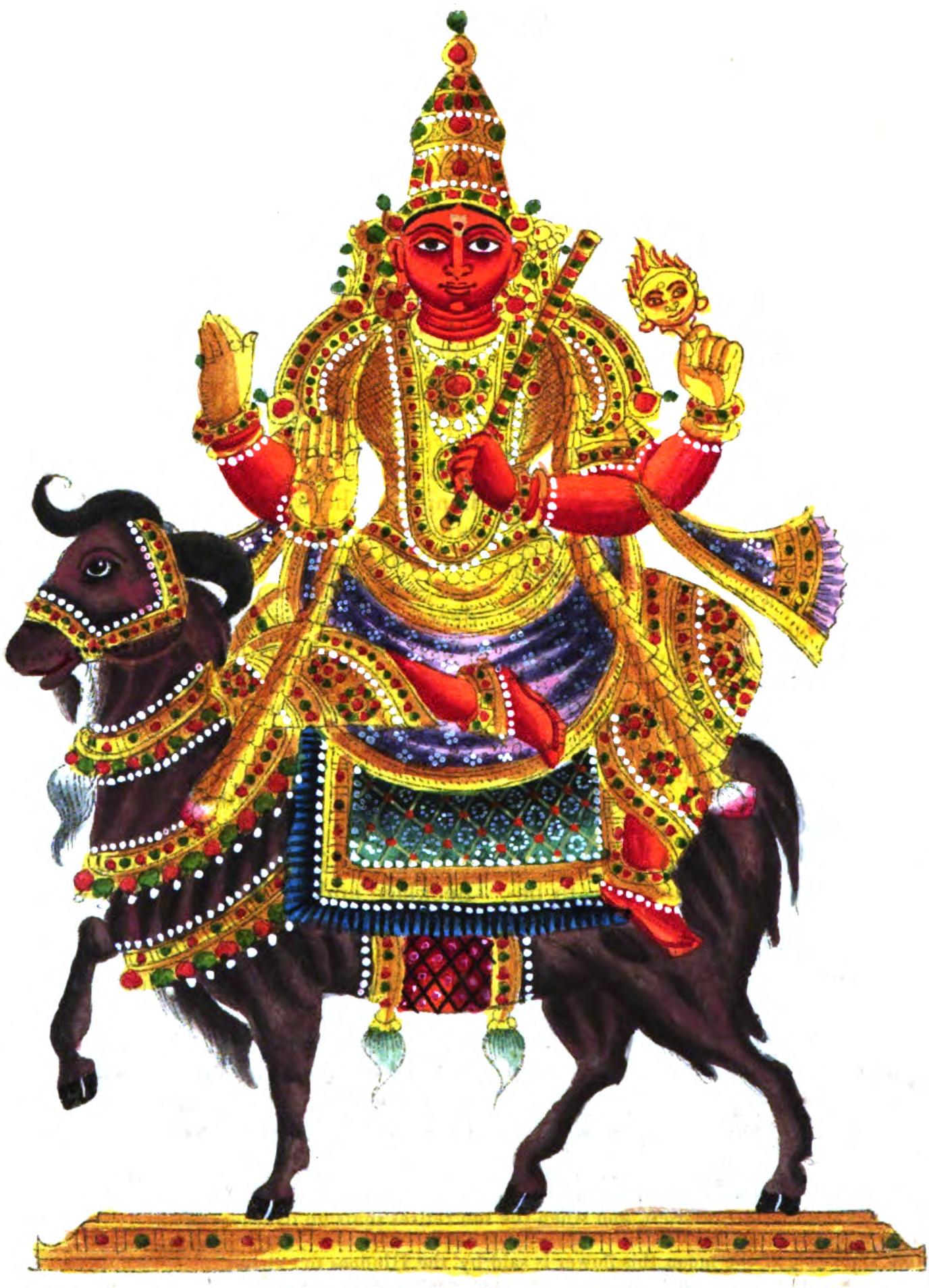
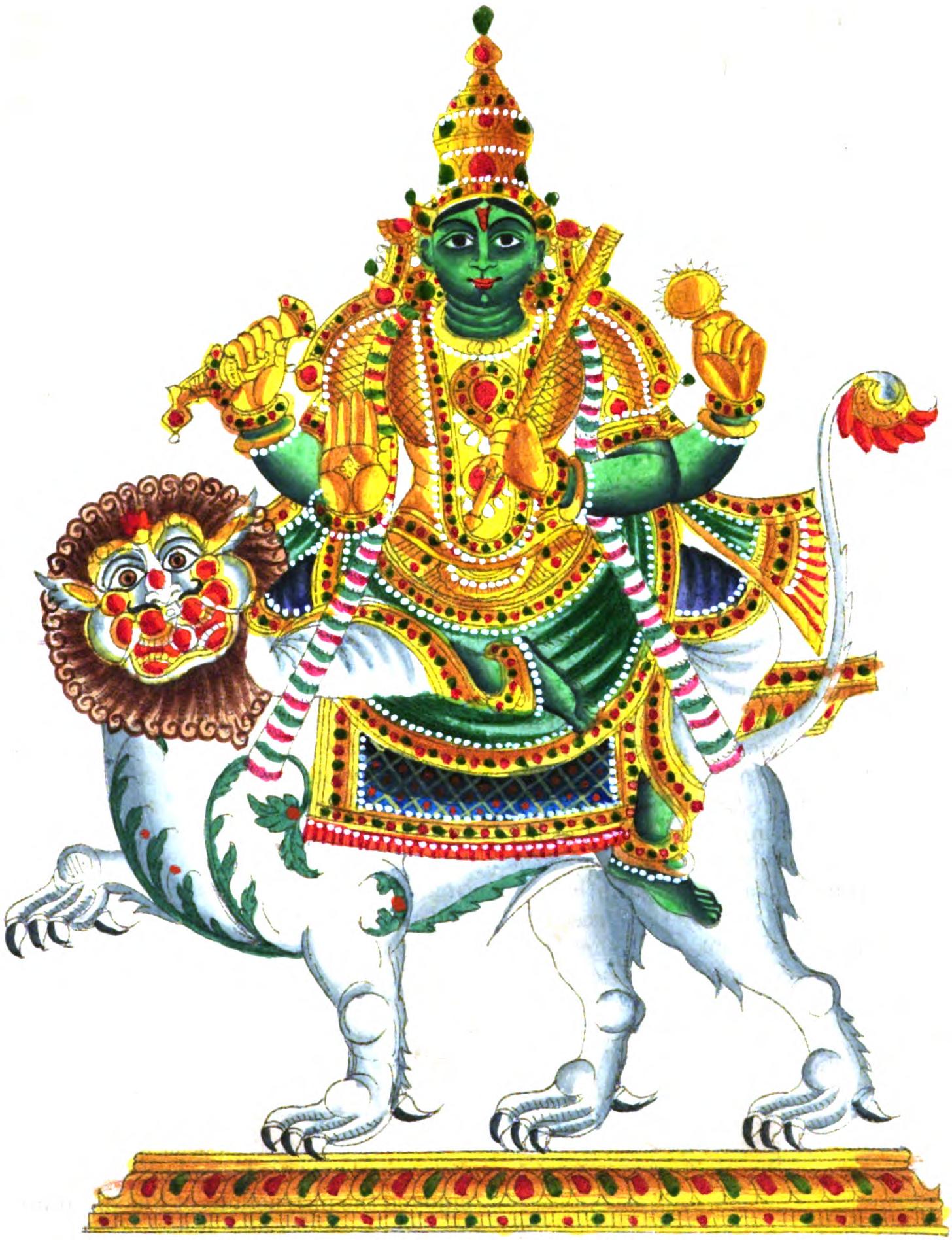
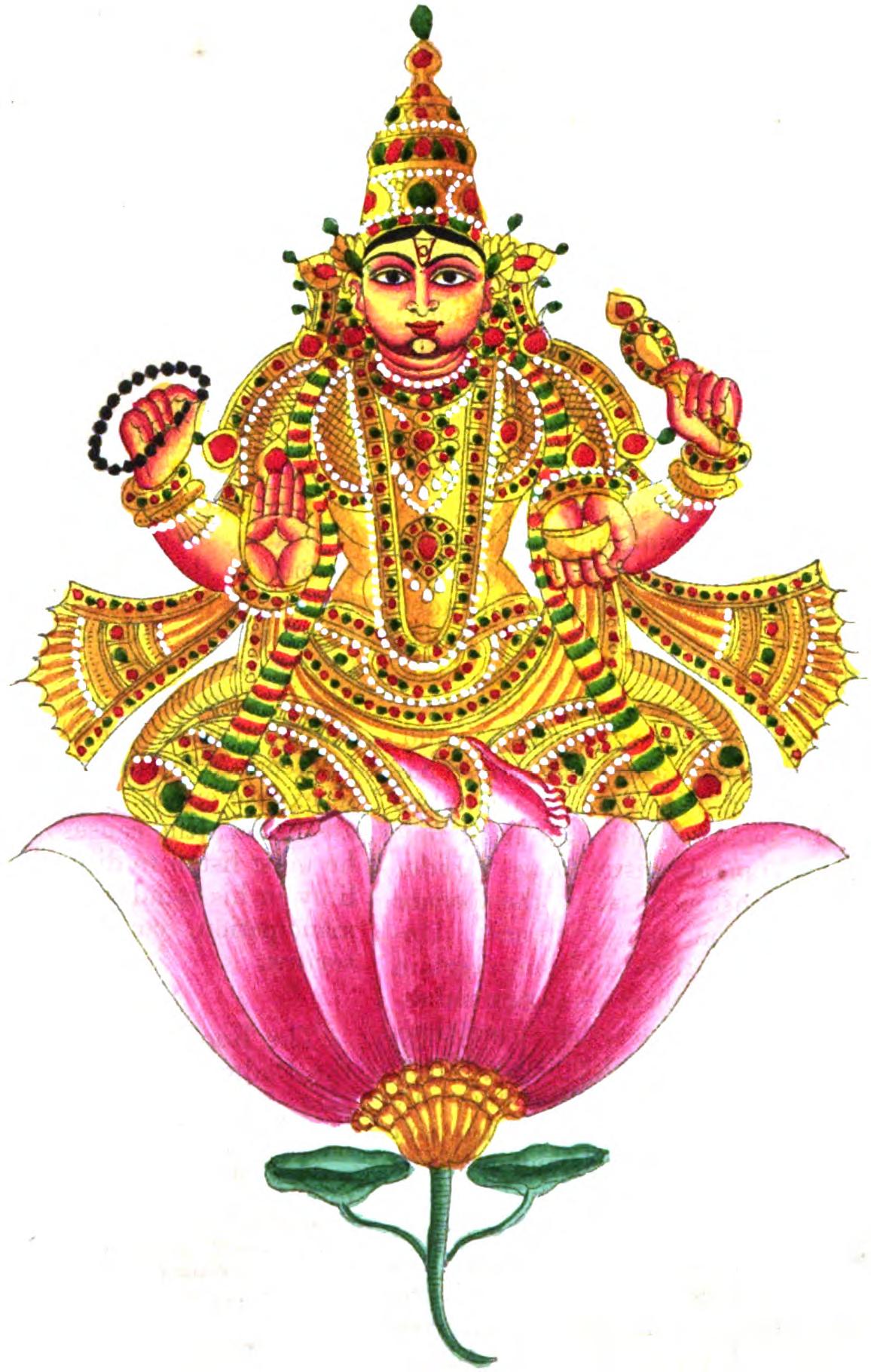
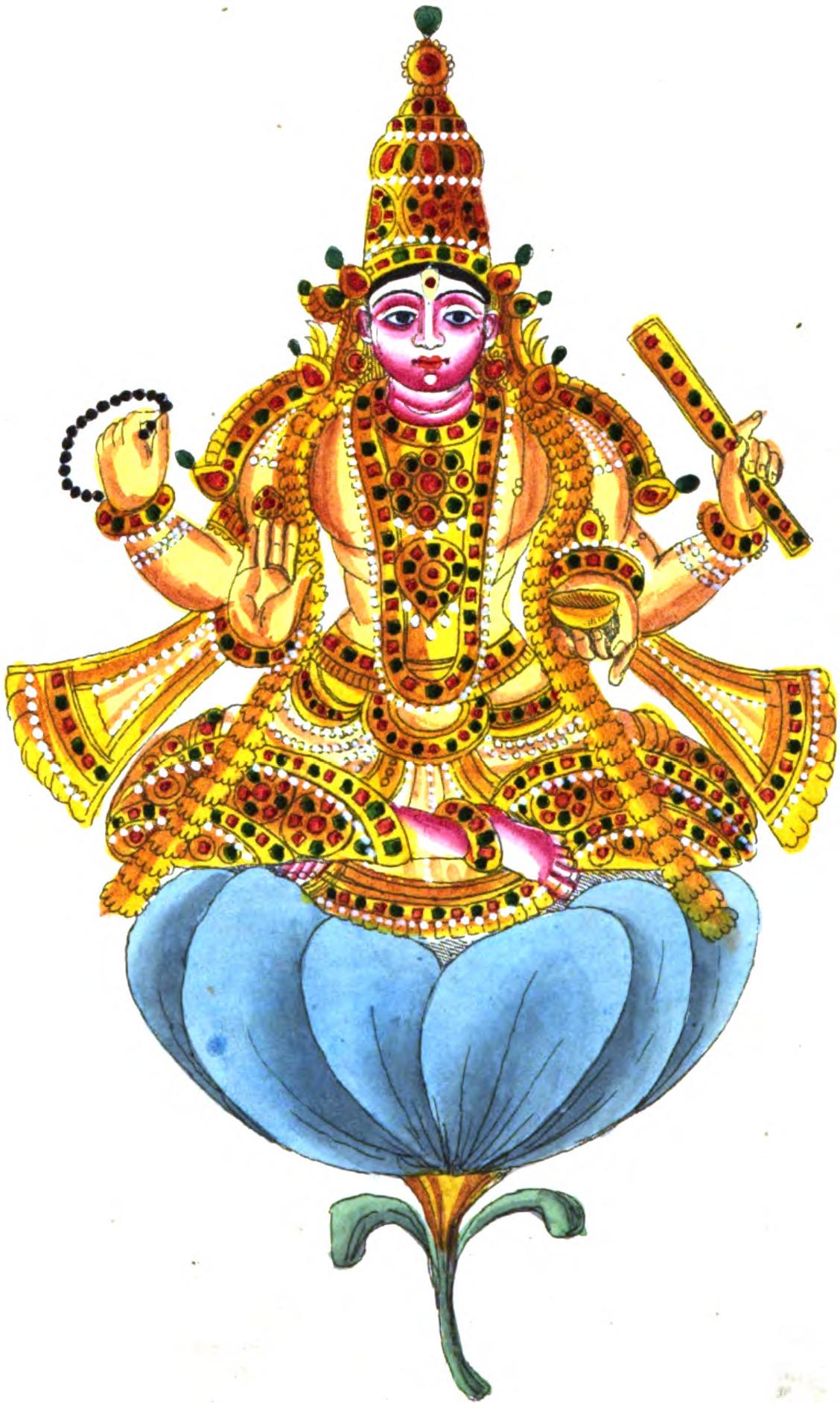
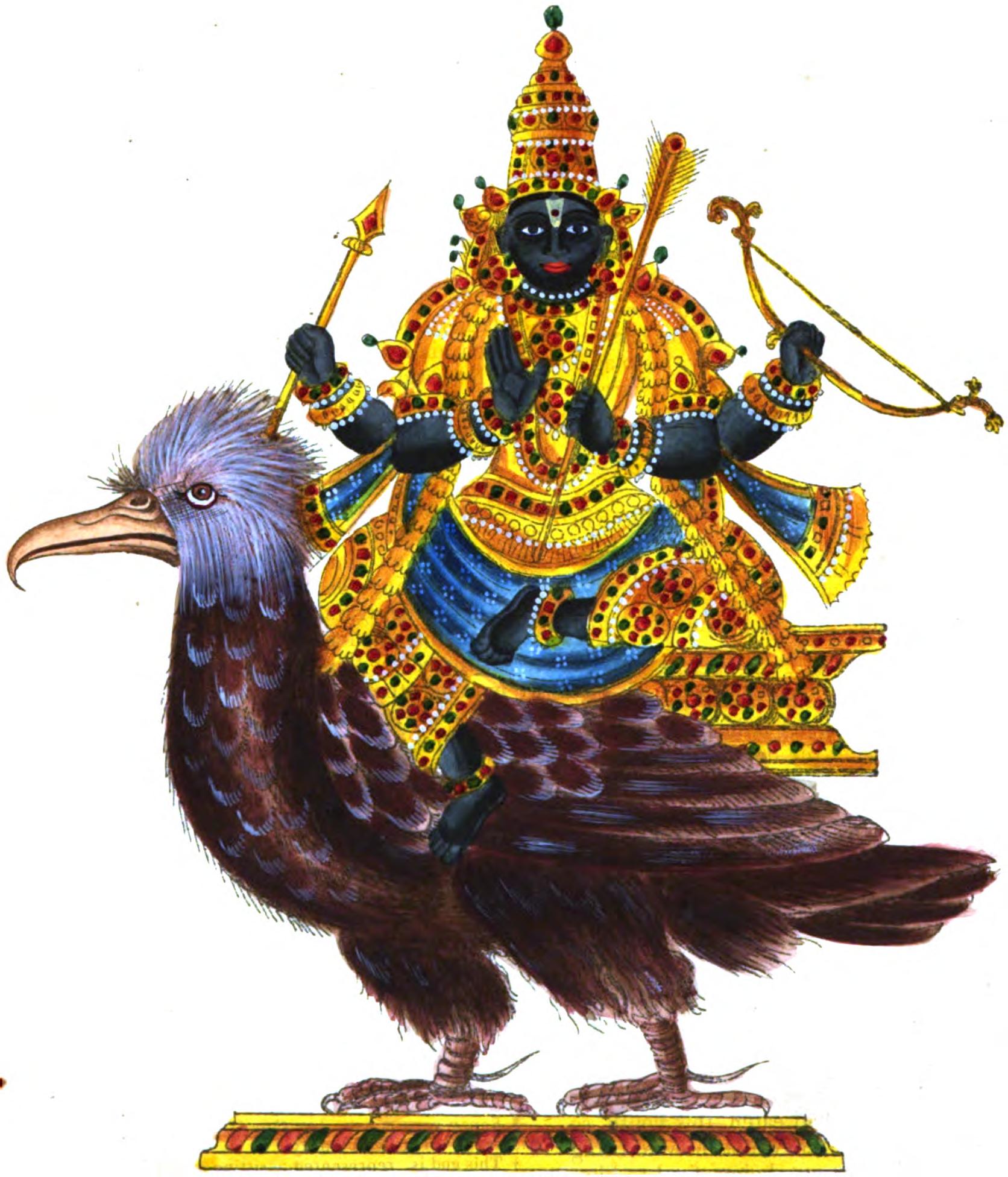
The names of the weekdays are derived from the seven classical planets (see Navagraha). The first day of the week is Ravivāra (Sunday).[3] The official calendar reckoned by the government of India has Sunday as the first and Saturday as the last day of the week.[4]
Weekdays of the Shaka calendar[3] Ordinal
numberSanskrit
weekday nameSanskrit
planetIconic image English
planetEnglish
weekday1 Ravivāra[lower-alpha 1] Ravi
Sun Sunday 2 Somavāra Soma
Moon Monday 3 Maṅgalavāra Maṅgala
Mars Tuesday 4 Budhavāra Budha
Mercury Wednesday 5 Bṛhaspativāra[lower-alpha 2] Bṛhaspati
Jupiter Thursday 6 Śukravāra Śukra
Venus Friday 7 Śanivāra Śani
Saturn Saturday


Years are counted in the Shaka era, which starts its year 0 in the year [[AD 78|78 Template:Sc]] of the Common Era. To determine leap years, add 78 to the Shaka year – if the result is a leap year in the Gregorian calendar, then the Shaka year is a leap year as well.[5]
History[edit | edit source]
Senior Indian Astrophysicist Meghnad Saha was the head of the Calendar Reform Committee under the aegis of the Council of Scientific and Industrial Research.[lower-alpha 3] It was Saha's effort which led to the formation of the committee in 1952. The task before the committee was to prepare an accurate calendar based on scientific study, which could be adopted uniformly throughout India. The committee had to undertake a detailed study of thirty different calendars prevalent in different parts of the country. The task was further complicated by the integration of those calendars with religion and local sentiments.
In 1954 the committee recommended a fixed tropical solar calendar for use as a unified national civil calendar, which was adopted as the Indian national calendar. A tropical lunisolar calendar was also proposed for religious purposes but this recommendation was not accepted.
India's first prime minister, Jawaharlal Nehru, in his preface to the Report of the committee, published in 1955, wrote:
- "They (different calendars) represent past political divisions in the country ... . Now that we have attained Independence, it is obviously desirable that there should be a certain uniformity in the calendar for our civic, social, and other purposes, and this should be done on a scientific approach to this problem."[6]
Usage started officially on 1 Chaitra 1879 Saka Era, or 22 March 1957. However, despite the government's attempts to propagate the calendar through official Rashtriya Panchangs, the Indian national calendar did not find acceptance with panchang makers or the general public, and current usage is largely limited to governmental offices. Existing calendars based on the Saka era remain in use, which can lead to confusion.[2]
See also[edit | edit source]
- Astronomical basis of the Hindu calendar
- Bengali calendar, a related Indic calendar
- Bangladeshi national calendar, a revised form of Bengali calendar used in Bangladesh
- Bisuddhasiddhanta Panjika
- Hindu calendar
- History of calendars
- Indian New Year's days
- Malayalam calendar
- List of calendars
- Solar Hijri calendar
- Ritu (Indian season)
- Shaka era
- Tamil calendar
- Vikram Samvat
Explanatory notes[edit | edit source]
References[edit | edit source]
- ↑ 1.0 1.1 "National calendar". National identity elements. Know India: National portal of India. Retrieved 27 November 2024.
- ↑ 2.0 2.1 2.2 2.3 Chatterjee, S. K. (1998). Indian Calendric System. New Delhi: Ministry of Information and Broadcasting, Government of India.
- ↑ 3.0 3.1 "Happy 'Saka' New Year 1941: Story Behind India's National Calendar". The Quint (thequint.com). 22 March 2019. Retrieved 12 August 2020.
- ↑ "Holiday calendar". india.gov.in (official website). Government of India.
- ↑ "Chronology – reckonings dated from a historical event". Encyclopædia Britannica. Retrieved 21 February 2023 – via britannica.com.
- ↑ "Meghnad Saha, a pioneer in astrophysics". Vigyan Prasar science portal (vigyanprasar.gov.in). Archived from the original on 23 February 2015. See also Meghnad Saha.
Sources[edit | edit source]
- Saha, M.N. (chairman); Banerjee, A.C.; Daftari, K.L.; Karandikar, J.S.; Prasad, Gorakh; Vaidya, R.V.; Lahiri, N.C. (1955). Report of the Calendar Reform Committee (PDF) (Report). New Delhi: Council of Scientific and Industrial Research – via dspace.gipe.ac.in.
- Richards, Edward Graham (1998). Mapping Time: The calendar and its history (illstd., reprint, rev. ed.). Oxford University Press. pp. 184–185. ISBN 978-0-19-286205-1 – via Google books.
External links[edit | edit source]
- Doggett, L.E. "Calendars and their history". NASA / Goddard Space Flight Center.
- Lian, Leow Choon. "Indian calendars" (PDF). Department of Mathematics. National University of Singapore. Archived from the original (PDF, 1.22 MB) on 17 April 2018 – via math.nus.edu.sg.
- Indian National Calendar (Report). National identity elements. New Dehli, IN: Government of India – via india.gov.in.
- Current and past issues of the Rashtriya Panchang and the Indian Astronomical Ephemeris. Positional Astronomy Centre (Report). India Meteorological Department – via packolkata.gov.in.
| Constitutional |
|   |
|---|---|---|
| Flora and Fauna |
| |
| Days | ||
| Others |
| |
