












Flying Bee (talk | contribs) Created page with "{{short description|Hand gestures in Indian classical dance}} {{refimprove|date=March 2019}} One of the most striking features of Indian classical dance and Dance in Tha..." |
m added references |
||
| Line 1: | Line 1: | ||
{{short description|Hand gestures in Indian classical dance}} | {{short description|Hand gestures in Indian classical dance}} | ||
{{Multiple issues| | |||
{{refimprove|date=March 2019}} | {{refimprove|date=March 2019}} | ||
One of the most striking features of [[Indian classical dance]] and [[Dance in Thailand|dances of Thailand]],<ref>https://disco.teak.fi/asia/thai-classical-dance/</ref> [[Dance in Cambodia|Cambodia]], [[Dance and theatre of Laos|Laos]] | {{More footnotes|date=July 2022}} | ||
}} | |||
{{Multiple image | |||
| perrow = 2 | |||
| total_width = 300 | |||
| image1 = Bharatanatyam Mudra (16).jpg | |||
| image2 = Thai dancer 3 (5795874324).jpg | |||
| image3 = Danseuse kmer (1).JPG | |||
| image4 = 20171113 Theatre of the Royal Palace, Luang Prabang 2447 DxO.jpg | |||
| image5 = Myanmar Dance.jpg | |||
| image6 = Malay dancers1 copy.jpg | |||
| image7 = 'Legong', Ubud, Balinese dance 3, Bali, Indonesia.jpg | |||
| size = 280 | |||
| spacing = 1 | |||
| position = centre | |||
| border = 0 | |||
| color = white | |||
| caption1 = Bharatanatyam Mudra | |||
| caption2 = Thai Mudra | |||
| caption3 = Khmer Mudra | |||
| caption4 = Lao Mudra | |||
| caption5 = Burmese Mudra | |||
| caption6 = Malay Mudra | |||
| caption7 = Balinese Mudra | |||
}} | |||
One of the most striking features of [[Indian classical dance]] and [[Dance in Thailand|dances of Thailand]],<ref>{{Cite web|url=https://disco.teak.fi/asia/thai-classical-dance/|title=Thai Classical Dance | Asian Traditional Theatre & Dance|date=2 October 2017}}</ref> [[Dance in Cambodia|Cambodia]], [[Dance and theatre of Laos|Laos]], [[Burmese dance|Myanmar]] and the [[Malay world]] is the use of hand or finger gestures called [[mudras]]. Two classifications of mudras are used in Indian classical dance, Thai dances, Cambodian dances, Lao dances, Burmese dances and Malay dances, and are a prominent part of the dancer's vocabulary. | |||
==Background== | ==Background== | ||
[[Nandikeshvara]]'s {{transliteration|sa|Abhinaya Darpa}} (a descriptive primer for dancers) mentions that the dancer should sing the song by the throat, express the meaning of the song through hand gestures, show the state of feelings in the song by eyes, and express the rhythm with his or her feet. | |||
From the Natya Shastra, a text on the arts, this | From the {{transliteration|sa|[[Natya Shastra]]}}, a text on the arts, this quotation and translation is often quoted by Indian classical dance instructors: | ||
::"Yato hastastato drishtihi"..."Where the hand is, the eyes follow" | ::"Yato hastastato drishtihi"..."Where the hand is, the eyes follow" | ||
| Line 21: | Line 47: | ||
==Gestures == | ==Gestures == | ||
In [[Bharatanatyam]], the | === Bharatanatyam === | ||
In [[Bharatanatyam]], the classical dance of India performed by Lord [[Nataraja]], approximately 48 | |||
root mudras (hand or finger gestures) are used to clearly communicate specific ideas, events, actions, or creatures in which 28 require only one hand, and are classified as `Asamyuta Hasta', along with 23 other primary mudras which require both hands and are classified as 'Samyuta Hasta'; these 51 are the roots but the branches permit of many more mudra, some of which are used primarily as aesthetic or decorative. | |||
{| class="wikitable" | {| class="wikitable" | ||
|+ | |+Asamyuta hastas | ||
! # | |||
! Name in Sanskrit | ! Name in Sanskrit | ||
! Translation(s) in English | ! Translation(s) in English | ||
! Other meanings | ! Other meanings and usage | ||
! Illustration | ! Illustration | ||
|- | |- | ||
|1. | |||
|Pataka | |Pataka | ||
| | |flag | ||
cloud, | |beginning a dance, forest, river, sprinkling water, cloud, night, forbidding things, horse<ref name="marg 1957">[[Marg (magazine)|Marg Magazine]]. ''[https://marg-art.org/product/UHJvZHVjdDoxNzQ1 Bharata Natyam]''. 10:4, pp. 12 and opposite unnumbered page, 24. (September 1957).</ref> | ||
| | |||
|[[Image:Hasthamudra1.JPG|150px]] | |[[Image:Hasthamudra1.JPG|150px]] | ||
|- | |- | ||
|2. | |||
|Tripataka | |Tripataka | ||
| | |three parts of the flag | ||
crown, | |tree, arrow, [[Vajra|vajra weapon]], [[Indra]], crown, light rising, union<ref name="marg 1957"/> | ||
|[[Image:Hasthamudra3.JPG|150px]] | |[[Image:Hasthamudra3.JPG|150px]] | ||
|- | |- | ||
|Ardhapataka<ref>http://onlinebharatanatyam.com/2007/09/24/ardhapataka-hand-gesture-mudra/</ref> | |3. | ||
| | |Ardhapataka<ref>{{Cite web|url=http://onlinebharatanatyam.com/2007/09/24/ardhapataka-hand-gesture-mudra/|title = Ardhapataaka Hand Gesture (Mudra)|date = 24 September 2007}}</ref> | ||
| | |half flag | ||
| | |flag, temple tower, horn, riverbank, tender shoots, writing panel, knife<ref name="marg 1957"/> | ||
|[[File:Ardhapataka-Hasta.jpg|150px]] | |||
|- | |- | ||
|4. | |||
|Kartarimukha | |Kartarimukha | ||
| | |scissors face or arrow shaft face | ||
| | |separation of women and men, opposition, stealing, corner of the eye, death, disagreement, lightning<ref name="marg 1957"/> | ||
|[[File:Hasthamudra9.JPG|150px]] | |||
| | |||
|- | |- | ||
|5. | |||
|Mayura | |Mayura | ||
| | |peacock or peacock's beak | ||
| | |bird of omen, forehead, stroking the hair, wiping tears, argument<ref name="marg 1957"/> | ||
| | |[[File:Mayura-Hasta.jpg|150px]] | ||
|- | |- | ||
|6. | |||
|Ardhachandra | |Ardhachandra | ||
| | |half moon | ||
| | |spear, platter, anxiety, meditation, prayer, greeting<ref name="marg 1957"/> | ||
| | |[[File:Ardhachandra-Hasta.jpg|150px]] | ||
|- | |- | ||
|7. | |||
|Arala | |Arala | ||
|bent | |bent | ||
| | |drinking poison<ref name="marg 1957"/> | ||
| | |[[File:Arala-Hasta.jpg|150px]] | ||
|- | |- | ||
|8. | |||
|Shukatunda | |Shukatunda | ||
|parrot head | |parrot head | ||
| | |shooting an arrow, throwing a spear, mystery<ref name="marg 1957"/> | ||
| | |[[File:Shukatunda-Hasta.jpg|150px]] | ||
|- | |- | ||
|9. | |||
|Mushthi | |Mushthi | ||
| fist | |closed fist | ||
| | |steadiness, holding things, grasping the hair, wrestling<ref name="marg 1957"/> | ||
| | |[[File:Mushti-Hasta.jpg|150px]] | ||
|- | |- | ||
|10. | |||
|Shikhara | |Shikhara | ||
| | | mountain top or spire | ||
| | |God of Love, bow, pillar, sound of a bell, silence, questioning, husband, lover, embrace<ref name="marg 1957"/> | ||
|[[Image:Hasthamudra2.JPG|150px]] | |[[Image:Hasthamudra2.JPG|150px]] | ||
|- | |- | ||
|11. | |||
|Kapitta | |Kapitta | ||
| | |[[wood apple]] | ||
| | |Goddess [[Lakshmi]], [[Saraswati]], holding cymbals, holding flowers at the time of flirting, milking cows<ref name="marg 1957"/> | ||
| | |[[File:Kapitta-Hasta.jpg|150px]] | ||
|- | |- | ||
|12. | |||
|Katakamukha | |Katakamukha | ||
| | |opening of a bracelet | ||
| | |picking flowers, holding a pearl necklace or garland of flowers, drawing a bow slowly, speech, glancing<ref name="marg 1957"/> | ||
| | |[[File:Hasthamudra4.JPG|150px]] | ||
|- | |- | ||
|13. | |||
|Suchi | |Suchi | ||
| | |needle | ||
| | |[[Parabrahma]], one, one hundred, sun, city, world, fan, threatening, astonishment, umbrella, beating the drum<ref name="marg 1957"/> | ||
| | |[[File:Hasthamudra16.JPG|150px]] | ||
|- | |- | ||
|14. | |||
|Chandrakala | |Chandrakala | ||
| | |crescent moon | ||
|digit of the moon<ref name="marg 1957"/> | |||
|[[Image:Hasthamudra5.JPG|150px]] | |[[Image:Hasthamudra5.JPG|150px]] | ||
|- | |- | ||
|15. | |||
|Padmakosha | |Padmakosha | ||
| | |lotus bud | ||
| | |water lily, fruit, apple, mango, breast<ref name="marg 1957"/> | ||
| | |[[File:Hasthamudra17.JPG|150px]] | ||
|- | |- | ||
|16. | |||
|Sarpashirsha | |Sarpashirsha | ||
| | |snake head | ||
| | |giving water to Gods and sages, the flapping of elephant's ears, slowness<ref name="marg 1957"/> | ||
|[[Image:Hasthamudra12.JPG|150px]] | |[[Image:Hasthamudra12.JPG|150px]] | ||
|- | |- | ||
|17. | |||
|Mrigashirsha | |Mrigashirsha | ||
| | |deer head | ||
| | |women, calling the beloved, cheek, holding an umbrella, actor's costume, house, fear, discussion<ref name="marg 1957"/> | ||
| | |[[File:Mrugashirsha-Hasta.jpg|150px]] | ||
|- | |- | ||
|18. | |||
|Simhamukha | |Simhamukha | ||
| | |lion face | ||
| | |elephant, lotus, coral, pearl, garland, fragrance, drop of water, salvation when placed on the heart<ref name="marg 1957"/> | ||
|[[Image:Hasthamudra6.JPG|150px]] | |[[Image:Hasthamudra6.JPG|150px]] | ||
|- | |- | ||
| | |19. | ||
| | |Kangulashya | ||
| | |tail | ||
| | |[[monkey fruit|Lakuce fruit]], water lily, breast<ref name="marg 1957"/> | ||
|[[File:Langula-Hasta.jpg|150px]] | |||
|- | |- | ||
|Alapadma | |20. | ||
|lotus | |Alapadma or Solapadma | ||
| | |lotus in full bloom | ||
| | |yearning for the beloved, mirror, moon pavilion, full moon, village, murmuring sound, praise<ref name="marg 1957"/> | ||
|[[File:Hasthamudra19.JPG|150px]] | |||
|- | |- | ||
|21. | |||
|Chatura | |Chatura | ||
| | |square | ||
| | |eyes, musk, a little, breaking to pieces<ref name="marg 1957"/> | ||
|[[Image:Hasthamudra10.JPG|150px]] | |[[Image:Hasthamudra10.JPG|150px]] | ||
|- | |- | ||
|22. | |||
|Bhramara | |Bhramara | ||
| | |bee | ||
| | |parrot, crane, cuckoo, union<ref name="marg 1957"/> | ||
| | |[[File:Bhramara-Hasta.jpg|150px]] | ||
|- | |- | ||
|23. | |||
|Hamsasya | |Hamsasya | ||
| | |swan beak | ||
|tying the marriage thread, initiation, painting, drop of water<ref name="marg 1957"/> | |||
| | |[[File:Hasthamudra11.JPG|150px]] | ||
| | |||
|- | |- | ||
|24. | |||
|Hamsapaksha | |Hamsapaksha | ||
| | |swan wing | ||
| | |arranging, constructing a bridge, making marks with the nails, number six<ref name="marg 1957"/> | ||
|[[Image:Hasthamudra15.JPG|150px]] | |[[Image:Hasthamudra15.JPG|150px]] | ||
|- | |- | ||
|25. | |||
|Sandamsha | |Sandamsha | ||
| | |Padmakosha mudra repeatedly opened and closed | ||
| | |generosity, worship, offering, number five<ref name="marg 1957"/> | ||
| | |[[File:Hasthamudra17.JPG|150px]] | ||
|- | |- | ||
|26. | |||
|Mukula | |Mukula | ||
| | |flower bud | ||
| | |water lily, the God of love, eating<ref name="marg 1957"/> | ||
| | |[[File:Mukhula-Hasta.jpg|150px]] | ||
|- | |- | ||
|27. | |||
|Tamrachuda | |Tamrachuda | ||
| | |rooster | ||
|crane, camel, calf, writing or drawing<ref name="marg 1957"/> | |||
| | |||
|[[Image:Hasthamudra7.JPG|150px]] | |[[Image:Hasthamudra7.JPG|150px]] | ||
|- | |- | ||
|Trishula | |28. | ||
| | |[[Trishula]] | ||
| | |trident | ||
|three together, wood apple leaf<ref name="marg 1957"/> | |||
|[[Image:Hasthamudra18.JPG|150px]] | |[[Image:Hasthamudra18.JPG|150px]] | ||
|} | |} | ||
{| class="wikitable" | {| class="wikitable" | ||
|+Samyukta mudra | |+Samyukta mudra | ||
!# | |||
! Sanskrit | ! Sanskrit | ||
! English | ! English | ||
| Line 204: | Line 236: | ||
! Illustration | ! Illustration | ||
|- | |- | ||
| | |1. | ||
| | |[[Añjali Mudrā|Anjali]] | ||
| | |offering | ||
| | | | ||
|[[File:Hasthamudra8.JPG|150px]] | |||
|- | |- | ||
|2. | |||
|Kapotam | |Kapotam | ||
| | |dove | ||
| | | | ||
| | | | ||
|- | |- | ||
|3. | |||
|Karkatam | |Karkatam | ||
| | |crab | ||
| | | | ||
|[[File:Hasthamudra13.JPG|150px]] | |||
|- | |- | ||
|Swastikam | |4. | ||
| | |[[Swastika|Swastikam]] | ||
|auspicious sign | |||
| | | | ||
|[[Image:Hasthamudra.JPG|150px]] | |[[Image:Hasthamudra.JPG|150px]] | ||
|- | |- | ||
|5. | |||
|Dola-Hastam | |Dola-Hastam | ||
| | |drummer's hands | ||
| | | | ||
| | | | ||
|- | |- | ||
|6. | |||
|Pushpaputam | |Pushpaputam | ||
|bag of flowers | |bag of flowers | ||
| Line 234: | Line 272: | ||
| | | | ||
|- | |- | ||
|7. | |||
|Utsangam | |Utsangam | ||
|embrace | |embrace | ||
| Line 239: | Line 278: | ||
| | | | ||
|- | |- | ||
|Shivalingam | |8. | ||
|[[Shivalingam]] | |||
|sign of Lord Shiva | |sign of Lord Shiva | ||
| | | | ||
| | |[[File:Hasthamudra14.JPG|150px]] | ||
|- | |- | ||
|9. | |||
|Kataka-vardhanam | |Kataka-vardhanam | ||
|chain | |chain | ||
| Line 249: | Line 290: | ||
| | | | ||
|- | |- | ||
|10. | |||
|Kartari-swastikam | |Kartari-swastikam | ||
| | | | ||
| Line 254: | Line 296: | ||
| | | | ||
|- | |- | ||
|11. | |||
|Shakatam | |Shakatam | ||
|carriage | |carriage | ||
| Line 259: | Line 302: | ||
| | | | ||
|- | |- | ||
|Shankha | |12. | ||
| | |[[Shankha]] | ||
|conch shell | |||
| | | | ||
| | | | ||
|- | |- | ||
|Chakram | |13. | ||
| | |[[Chakram]] | ||
|rotating disc | |||
| | | | ||
|[[Image:ഹസ്തമുദ്ര3.JPG|150px]] | |[[Image:ഹസ്തമുദ്ര3.JPG|150px]] | ||
|- | |- | ||
|14. | |||
|Pasha | |Pasha | ||
| | |ropes | ||
| | | | ||
| | | | ||
|- | |- | ||
|15. | |||
|Kilaka | |Kilaka | ||
| | |bond | ||
| | | | ||
| | | | ||
|- | |- | ||
|16. | |||
|Samputa | |Samputa | ||
|round shaped casket | |round shaped casket | ||
| Line 284: | Line 332: | ||
| | | | ||
|- | |- | ||
|Matsya | |17. | ||
| | |[[Matsya]] | ||
|fish | |||
| | | | ||
| | | | ||
|- | |- | ||
|Kurma | |18. | ||
| | |[[Kurma]] | ||
|tortoise | |||
| | | | ||
| | | | ||
|- | |- | ||
| | |19. | ||
| | |[[Varaha]] | ||
| | |boar | ||
| | | | ||
|[[File:ഹസ്തമുദ്ര2.JPG|150px]] | |||
|- | |- | ||
|Garuda | |20. | ||
| | |[[Garuda]] | ||
|half-eagle, half-human mount of Lord Vishnu | |||
|bird(s) flying | |||
| | | | ||
|- | |- | ||
|21. | |||
|Nagabandham | |Nagabandham | ||
|snakes entwined | |snakes entwined | ||
| Line 309: | Line 362: | ||
| | | | ||
|- | |- | ||
|22. | |||
|Khattva | |Khattva | ||
|cot | |cot | ||
| Line 314: | Line 368: | ||
| | | | ||
|- | |- | ||
|Bherunda | |23. | ||
| | |[[Gandaberunda|Bherunda]] | ||
|pair of birds | |||
| | | | ||
| | | | ||
|} | |||
=== Khmer dances === | |||
In [[Dance in Cambodia|Khmer dances]], mudras are known as ''kayvikear dai'' (កាយវិការដៃ). All of the mudras symbolize plants. | |||
{| class="wikitable" | |||
! Name in Khmer | |||
! Translation(s) in English | |||
! Other meanings | |||
! Illustration | |||
|- | |||
|Kar chenh ph (ការចេញផ្) | |||
|Flowering | |||
|Release | |||
| | |||
|- | |||
|Kar dam (ការដាំ) | |||
|Planting | |||
| | |||
| | |||
|- | |||
|Kar doh (ការដុះ) | |||
|Growing | |||
| | |||
| | |||
|- | |||
|Phle (ផ្លែ) | |||
|Fruit | |||
| | |||
| | |||
|- | |||
|Phle chrouh (ផ្លែជ្រុះ) | |||
|Falling fruit | |||
| | |||
| | |||
|- | |||
|Phle toum (ផ្លែទុំ) | |||
|Ripe fruit | |||
| | |||
| | |||
|- | |||
|Sloek (ស្លឹក) | |||
|Leaves | |||
| | |||
| | |||
|- | |||
|Sloek kh (ស្លឹកខ្) | |||
|Young leaves | |||
| | |||
| | |||
|} | |||
=== Thai dances === | |||
{| class="wikitable" | |||
! Name in Thai | |||
! Translation(s) in English | |||
! Other meanings | |||
! Illustration | |||
|- | |||
|Taw chan (ตัวฉัน) | |||
|I, Myself | |||
| | |||
| | |||
|- | |||
|Taw thex (ตัวเธอ) | |||
|You | |||
| | |||
| | |||
|- | |||
|} | |} | ||
| Line 323: | Line 446: | ||
* [[List of gestures]] | * [[List of gestures]] | ||
* [[List of Indian dances]] | * [[List of Indian dances]] | ||
* [[Adavu]] | * [[Adavu]] | ||
==References== | ==References== | ||
{{reflist}} | |||
==Further reading== | |||
* [https://marg-art.org/product/UHJvZHVjdDoxNzQ1 Marg Magazine Volume 10 - Issue 4, pp. 12-13, 24 (September 1957)] | |||
* [https://marg-art.org/product/UHJvZHVjdDozNDUz Marg Magazine Volume 32 - Issue 2 (June 1979)] | |||
==External links== | |||
{{Commons category|Mudras|lcfirst=yes}} | {{Commons category|Mudras|lcfirst=yes}} | ||
* Indianartz.com. ''[https://web.archive.org/web/20121219192551/http://blog.indianartz.com/gallery/hastas/ Hasta Mudras - Gallery].'' | * Indianartz.com. ''[https://web.archive.org/web/20121219192551/http://blog.indianartz.com/gallery/hastas/ Hasta Mudras - Gallery].'' | ||
* Ramm-Bonwitt, Ingrid (1987). ''[https://books.google.com/books?id=1J1lkATEVJYC Mudras - As Maos Como Simbolo do Cosmos].'' | * Ramm-Bonwitt, Ingrid (1987). ''[https://books.google.com/books?id=1J1lkATEVJYC Mudras - As Maos Como Simbolo do Cosmos].'' | ||
| Line 339: | Line 467: | ||
[[Category:Dance in Thailand]] | [[Category:Dance in Thailand]] | ||
[[Category:Dance in Cambodia]] | [[Category:Dance in Cambodia]] | ||
[[Category:India dance-related lists]] | [[Category:Dance in Malaysia]] | ||
[[Category:Dance in Brunei]] | |||
[[Category:Dance in Singapore]] | |||
[[Category:Dance in Indonesia]] | |||
[[Category:India dance-related lists|Mudras]] | |||
Latest revision as of 00:14, 2 July 2025
 | This article has multiple issues. Please help improve it or discuss these issues on the talk page. (Learn how and when to remove these template messages)
|


.jpg)
.jpg)
.JPG)


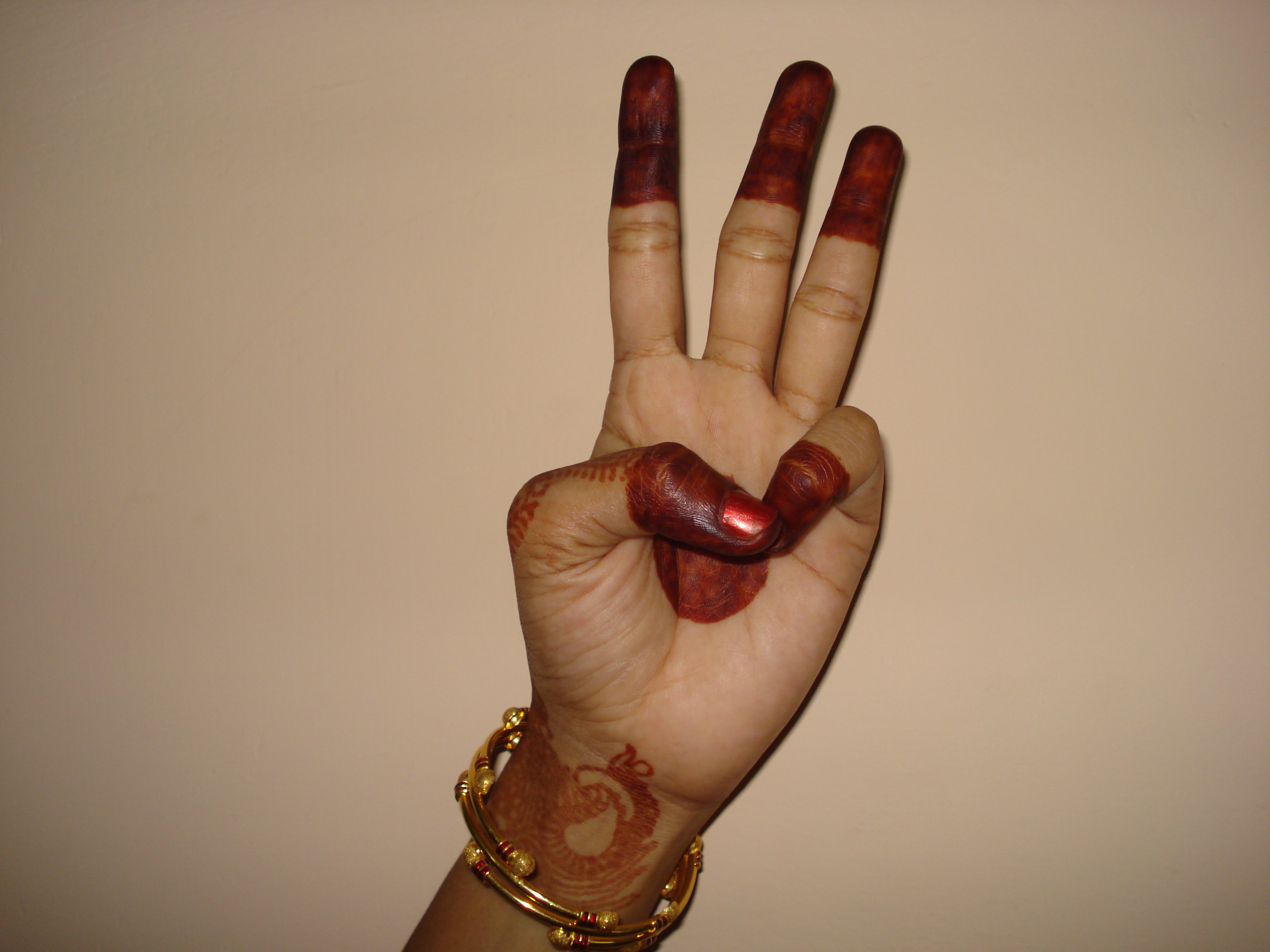
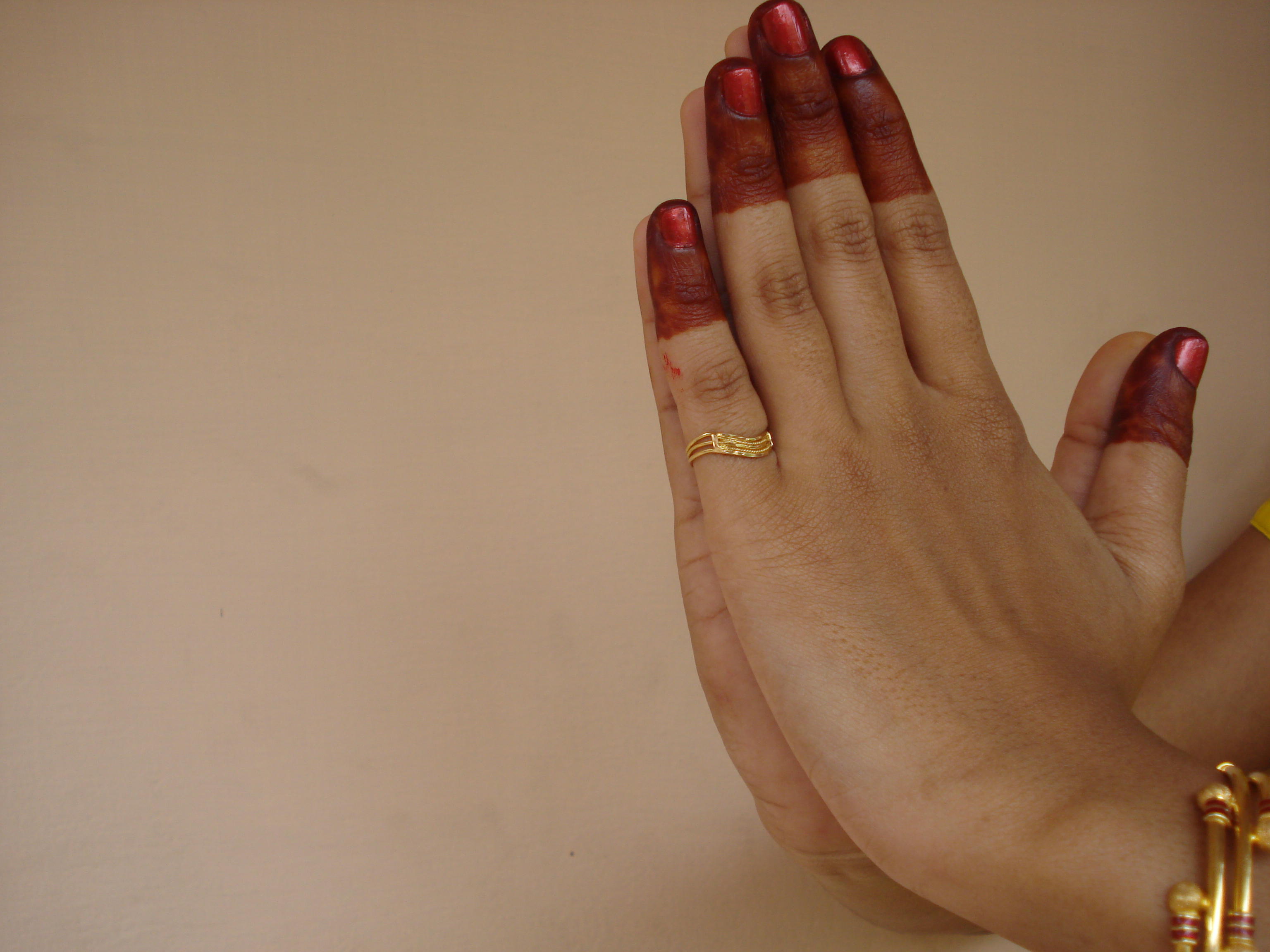
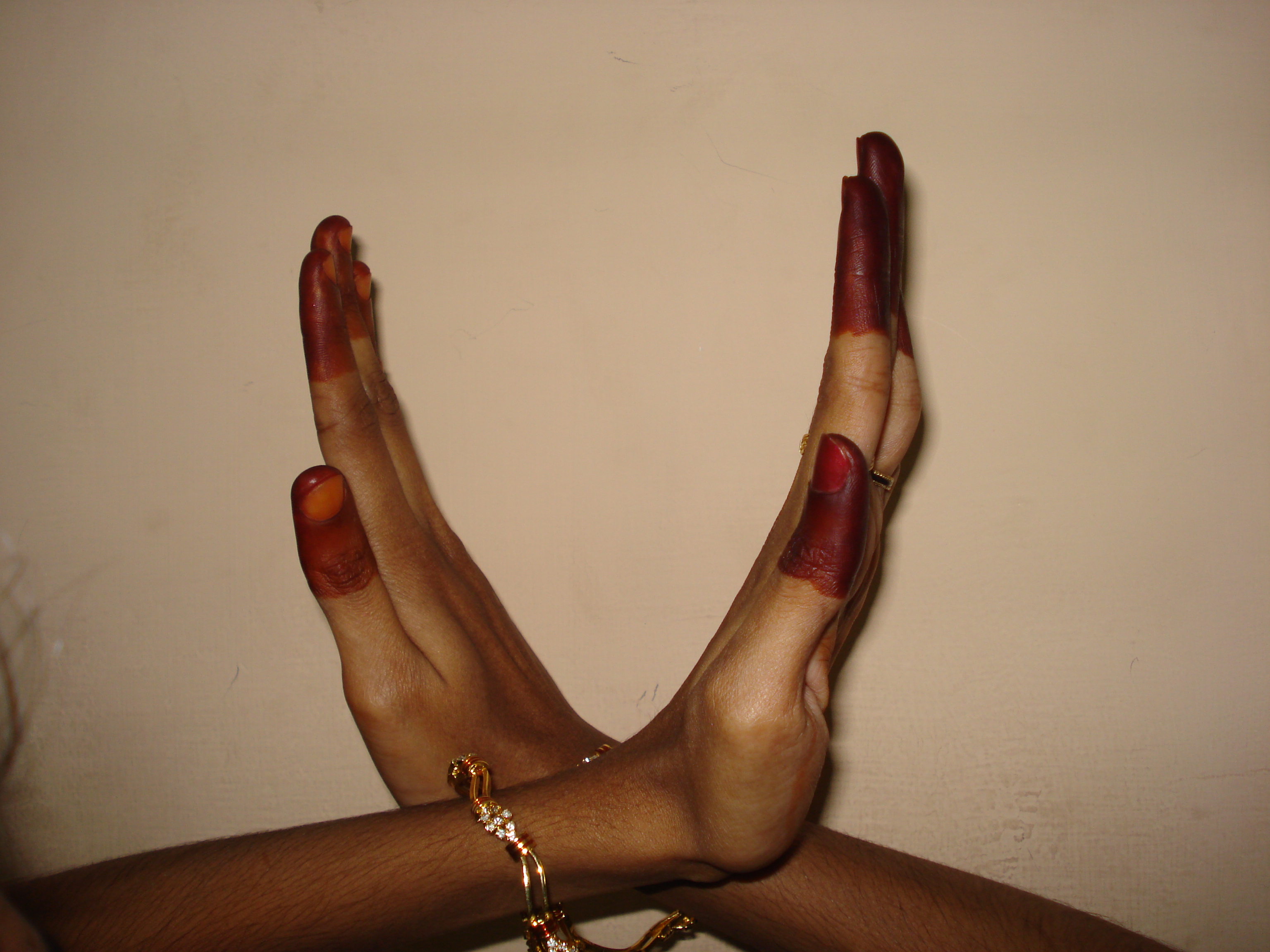
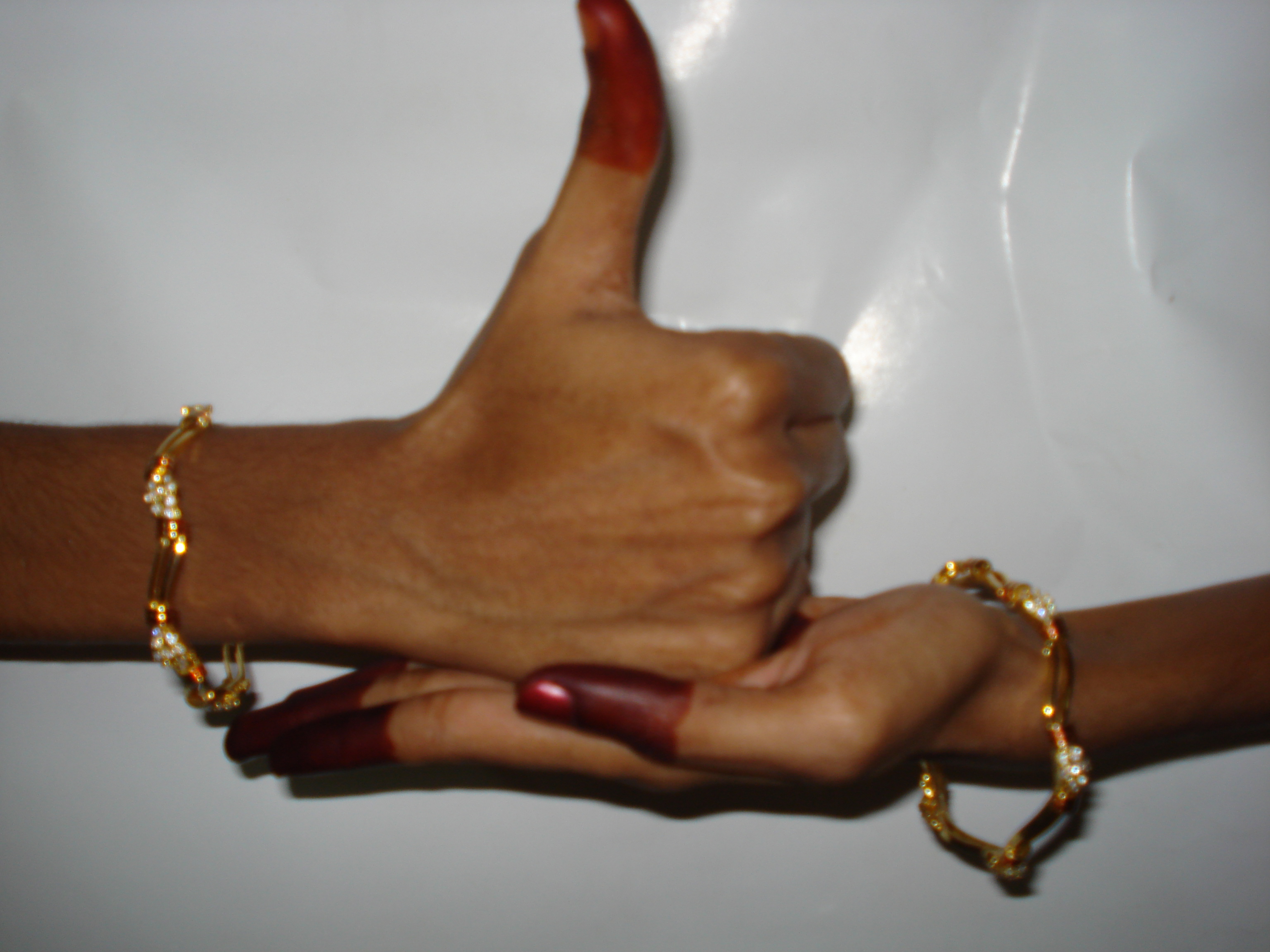
One of the most striking features of Indian classical dance and dances of Thailand,[1] Cambodia, Laos, Myanmar and the Malay world is the use of hand or finger gestures called mudras. Two classifications of mudras are used in Indian classical dance, Thai dances, Cambodian dances, Lao dances, Burmese dances and Malay dances, and are a prominent part of the dancer's vocabulary.
Background[edit | edit source]
Nandikeshvara's Abhinaya Darpa (a descriptive primer for dancers) mentions that the dancer should sing the song by the throat, express the meaning of the song through hand gestures, show the state of feelings in the song by eyes, and express the rhythm with his or her feet.
From the Natya Shastra, a text on the arts, this quotation and translation is often quoted by Indian classical dance instructors:
- "Yato hastastato drishtihi"..."Where the hand is, the eyes follow"
- "Yato drishtistato manaha"..."Where the eyes go, the mind follows"
- "Yato manastato bhavaha"..."Where the mind is, there is the feeling"
- "Yato bhavastato rasaha"..."Where there is feeling, there is mood/flavour, sweetness (i.e., appreciation of art; aesthetic bliss)"
So vast are the subtleties expressed in the hand gestures of hasta that the vastness of what being human entails, and perhaps even what the entire universe contains, might be expressed by the dancer.
Hence as 'hasta' form a distinct coded language which brings a unique poetic element while performing, so too when abhinaya (traditional facial expressions), pose (attitude), and rhythm complete the language, the dancer may express practically anything and everything to an attentive audience.
Gestures[edit | edit source]
Bharatanatyam[edit | edit source]
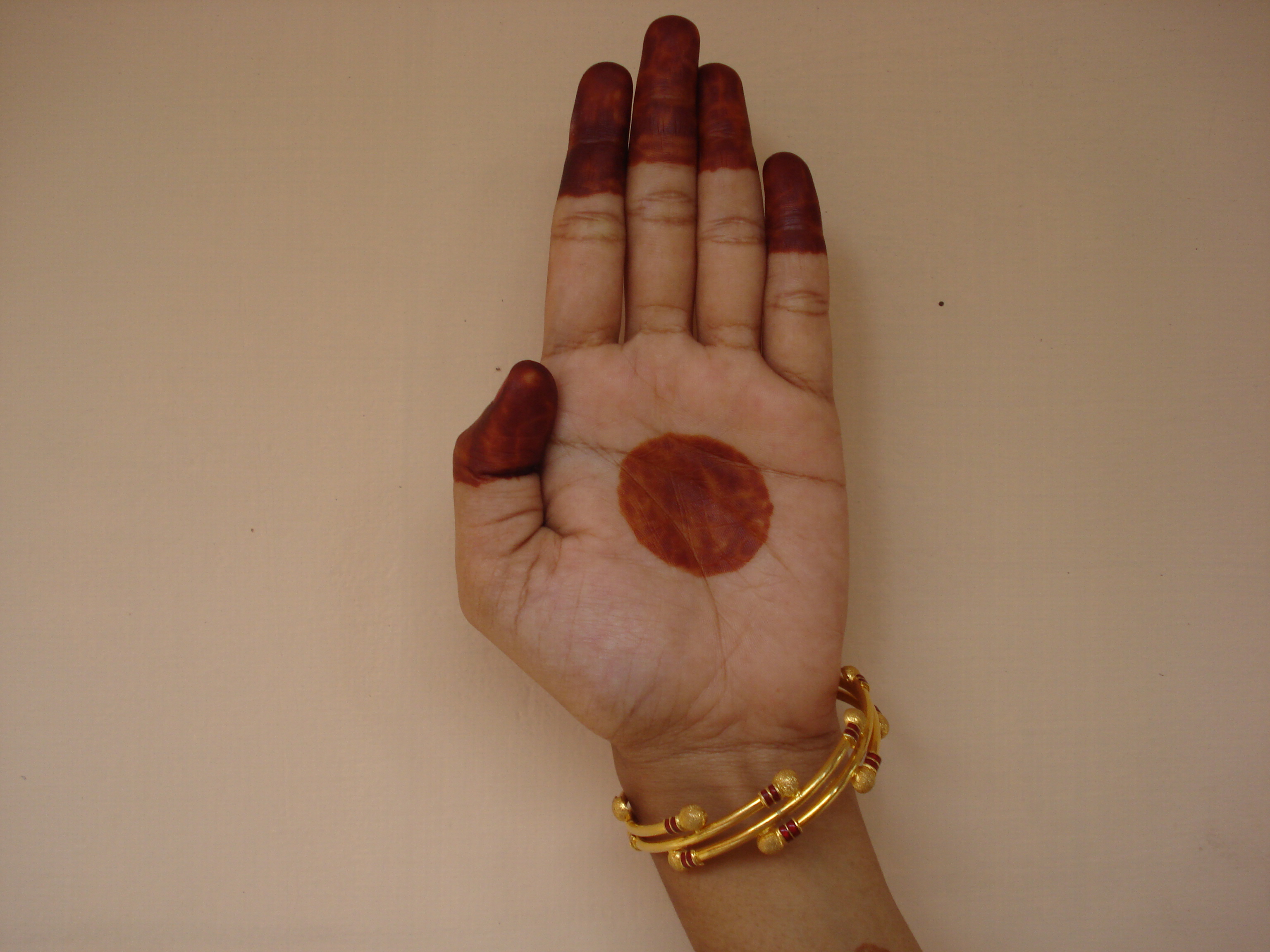
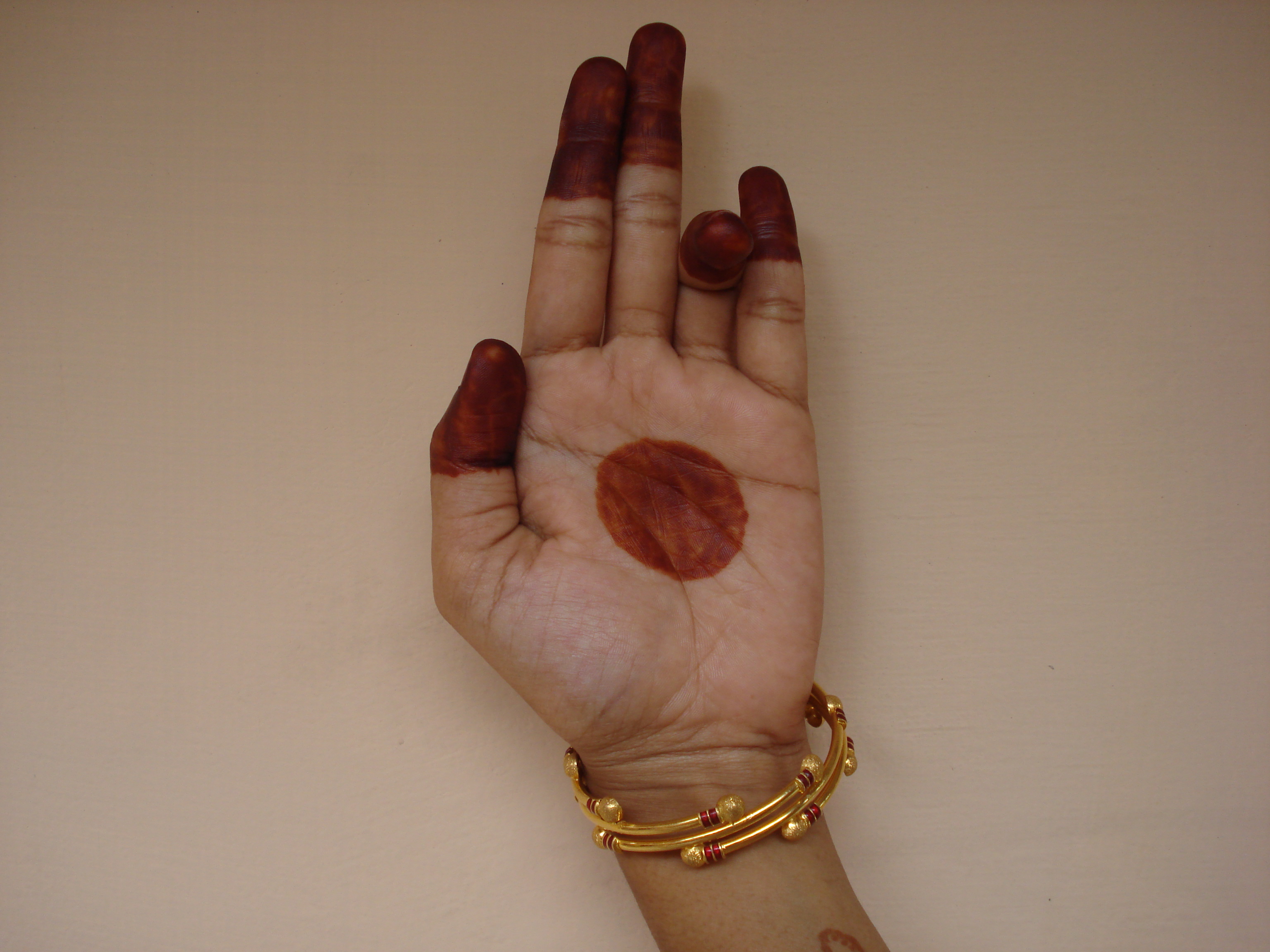
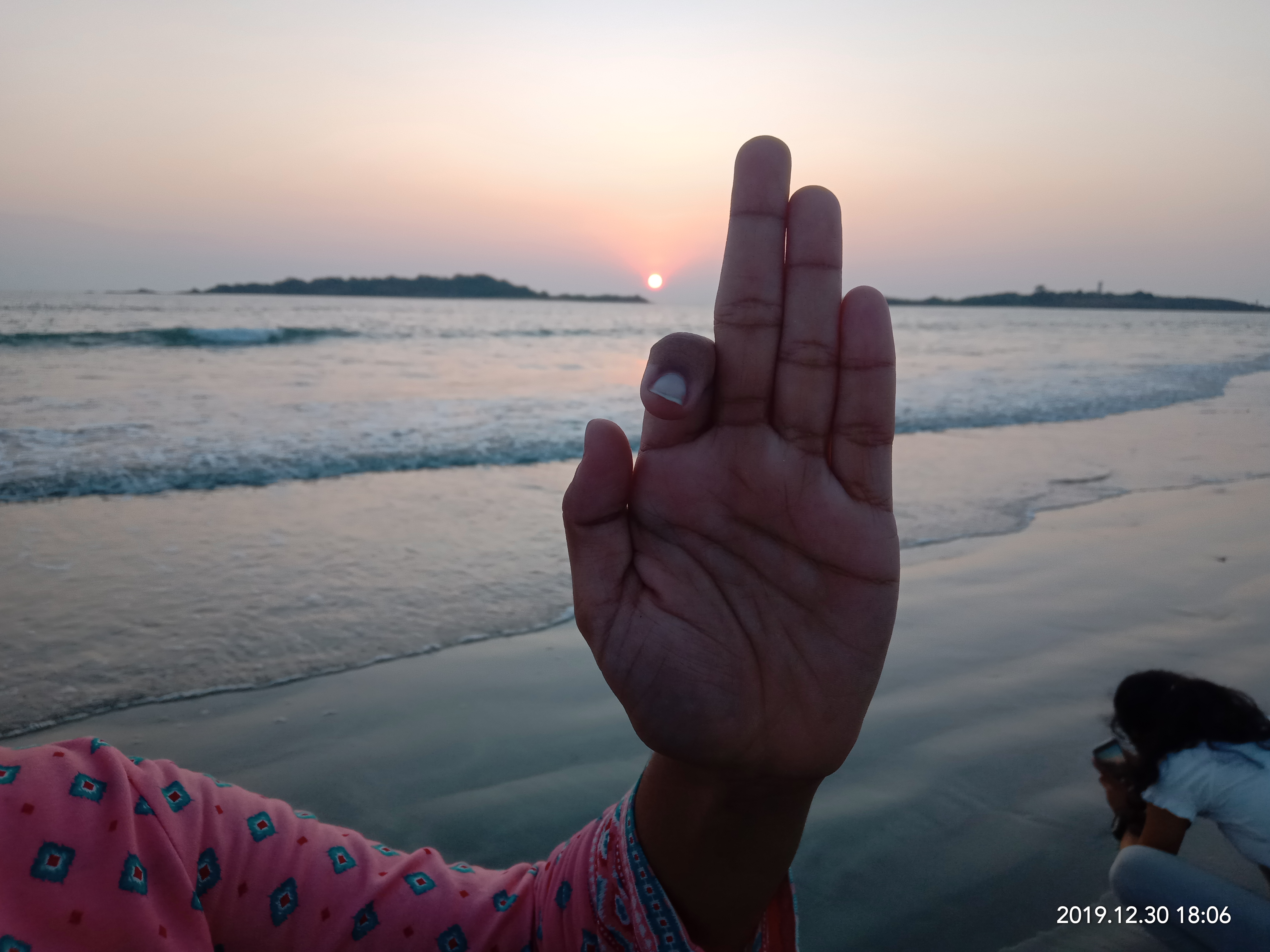
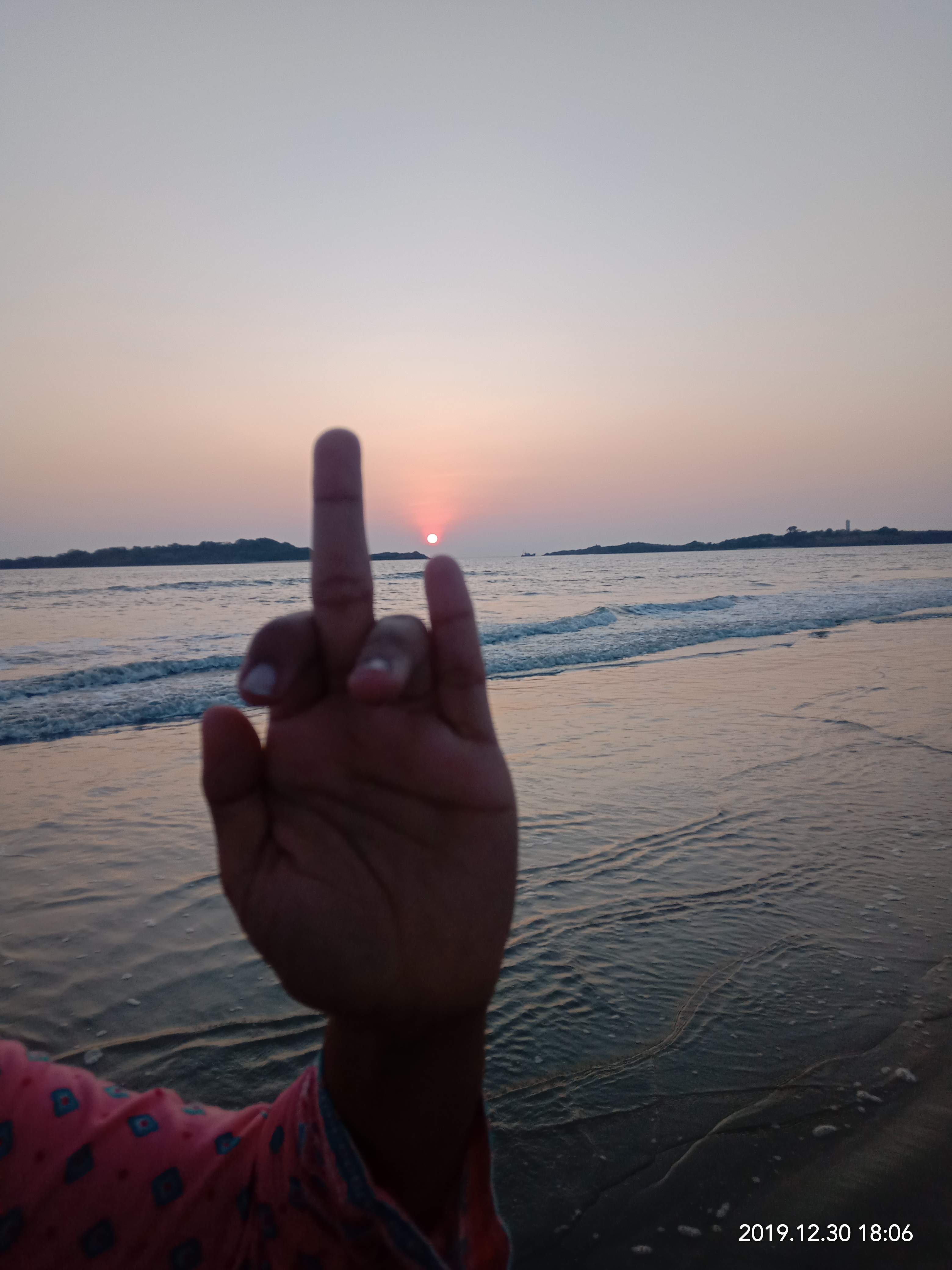
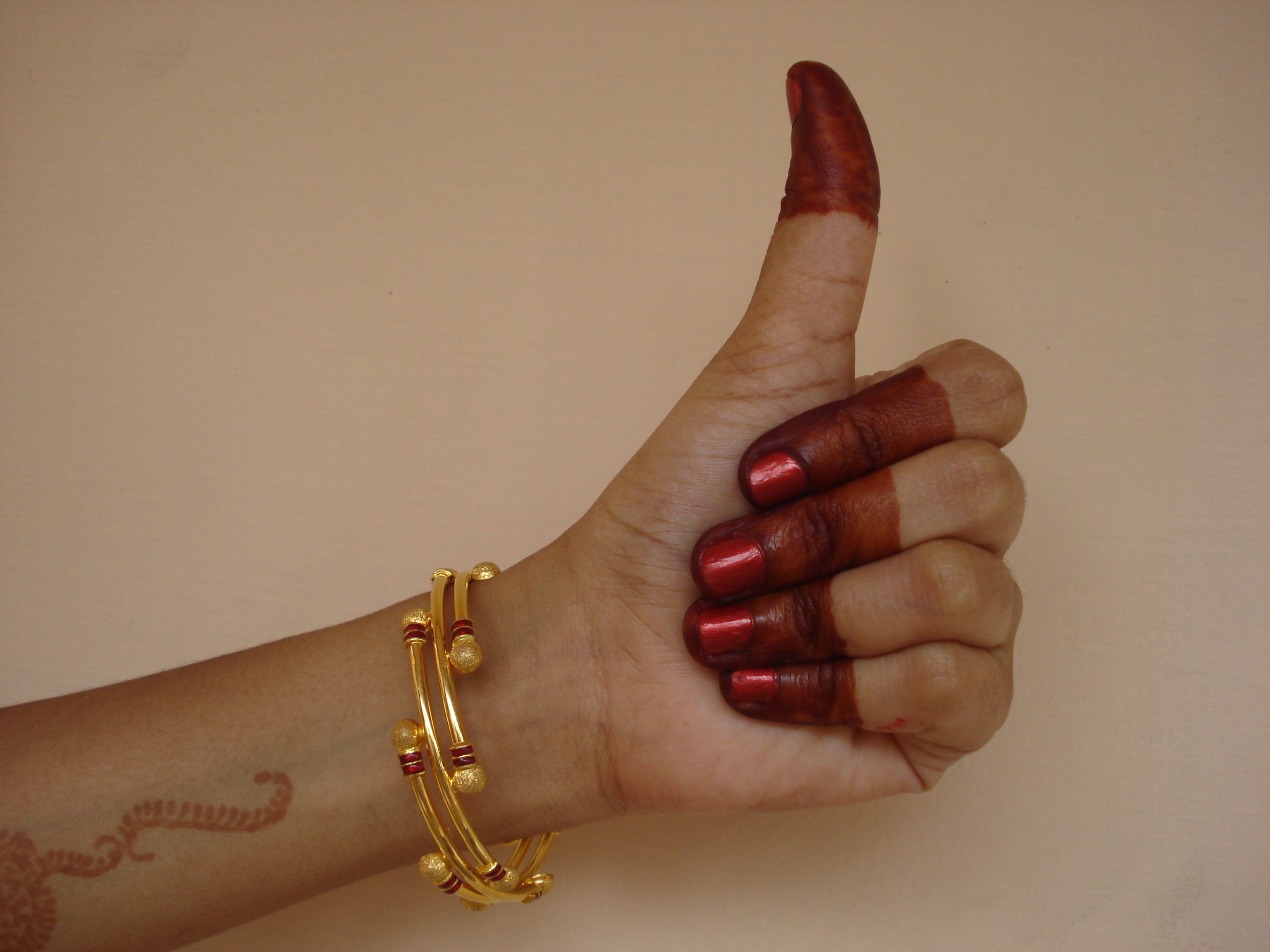
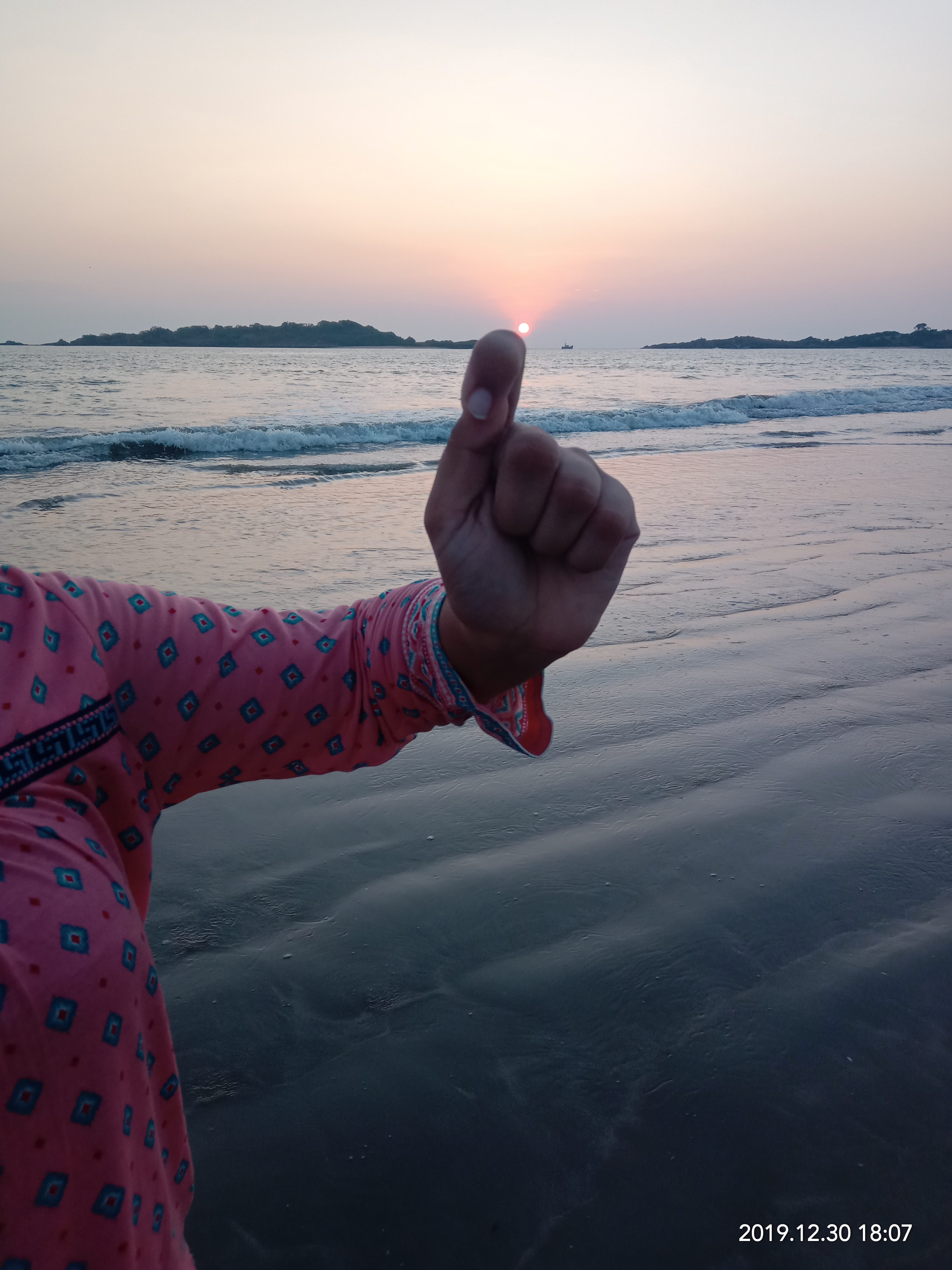
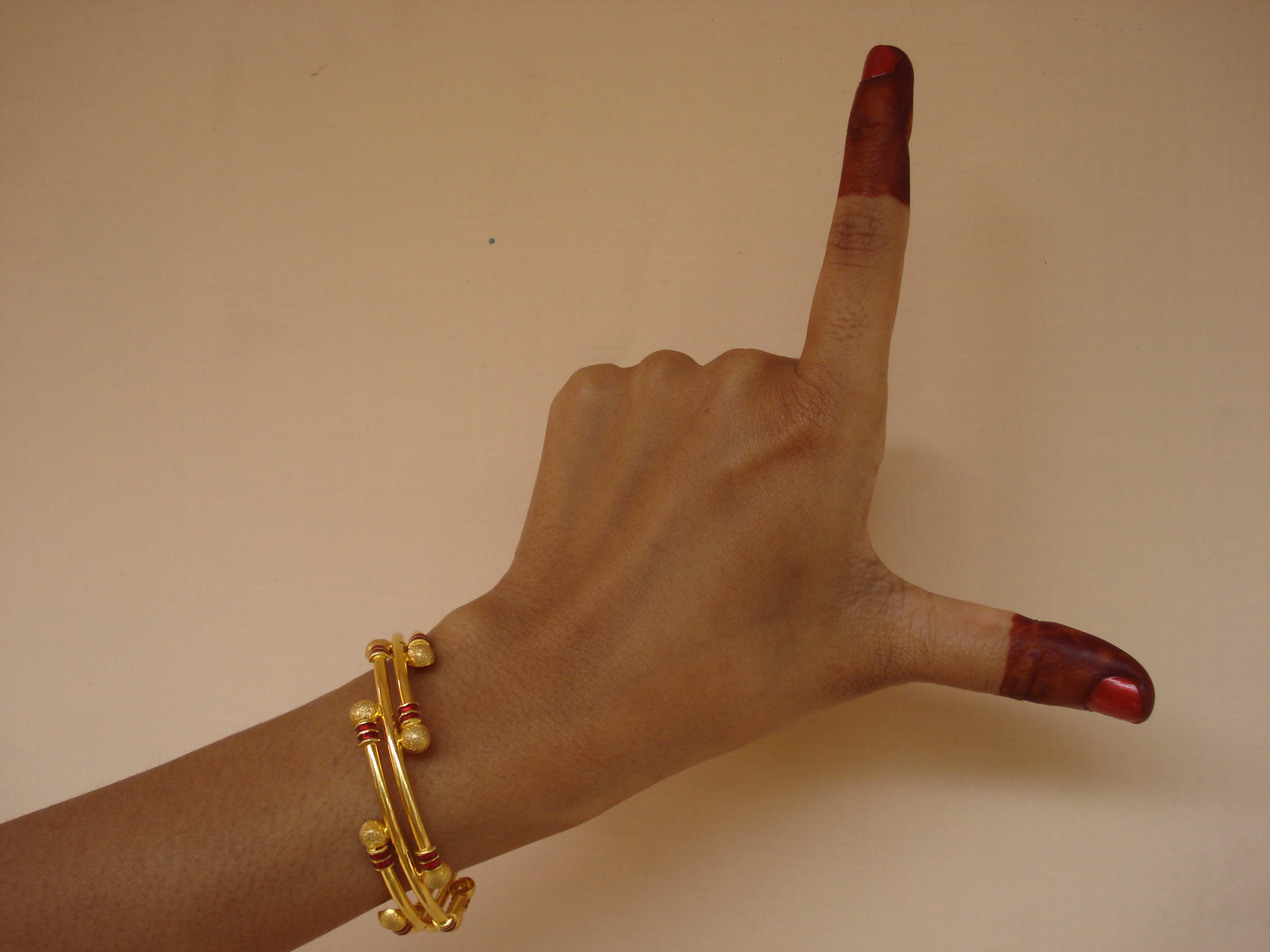
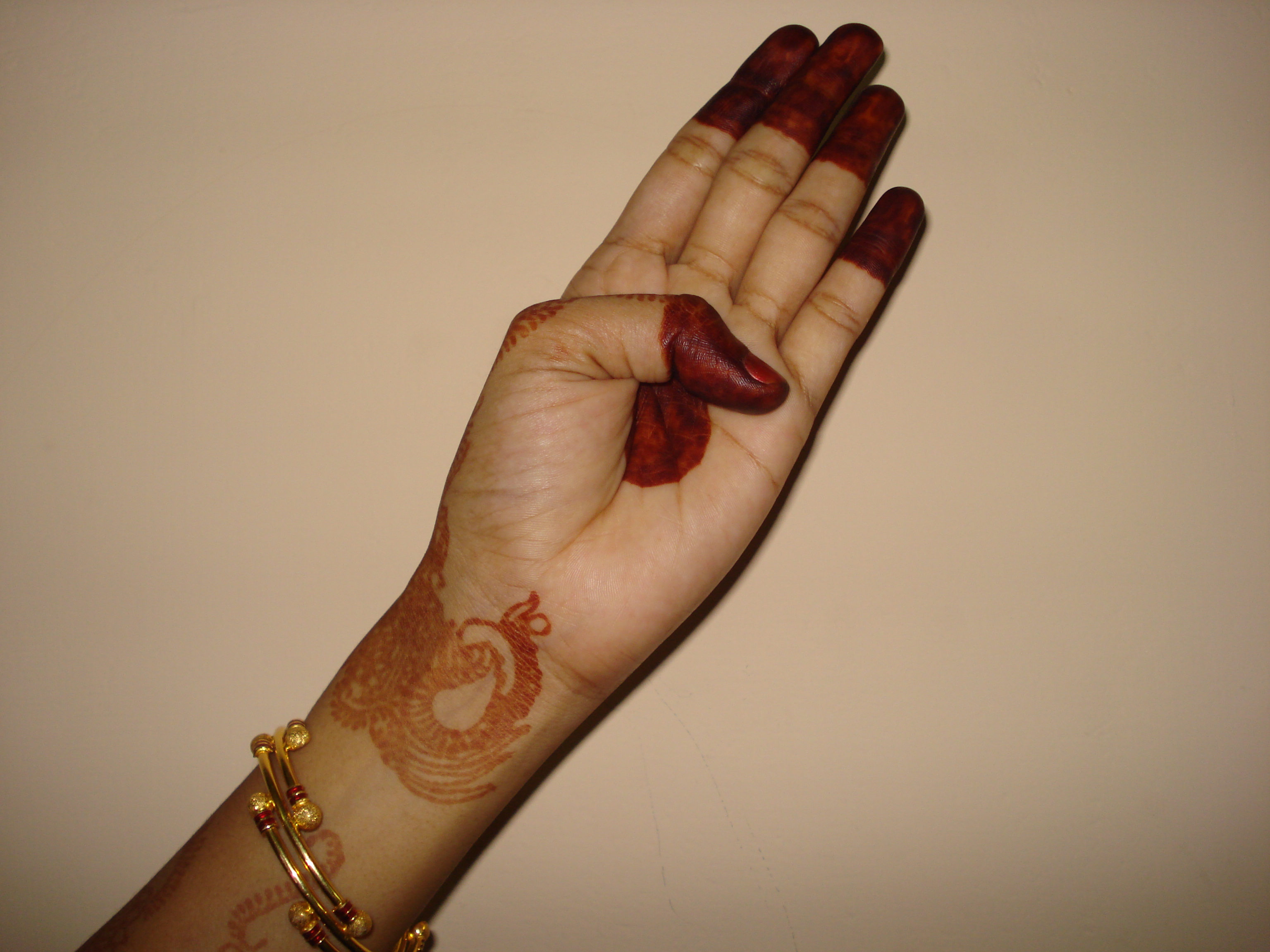
In Bharatanatyam, the classical dance of India performed by Lord Nataraja, approximately 48 root mudras (hand or finger gestures) are used to clearly communicate specific ideas, events, actions, or creatures in which 28 require only one hand, and are classified as `Asamyuta Hasta', along with 23 other primary mudras which require both hands and are classified as 'Samyuta Hasta'; these 51 are the roots but the branches permit of many more mudra, some of which are used primarily as aesthetic or decorative.
| # | Name in Sanskrit | Translation(s) in English | Other meanings and usage | Illustration |
|---|---|---|---|---|
| 1. | Pataka | flag | beginning a dance, forest, river, sprinkling water, cloud, night, forbidding things, horse[2] | 
|
| 2. | Tripataka | three parts of the flag | tree, arrow, vajra weapon, Indra, crown, light rising, union[2] | 
|
| 3. | Ardhapataka[3] | half flag | flag, temple tower, horn, riverbank, tender shoots, writing panel, knife[2] | 
|
| 4. | Kartarimukha | scissors face or arrow shaft face | separation of women and men, opposition, stealing, corner of the eye, death, disagreement, lightning[2] | 
|
| 5. | Mayura | peacock or peacock's beak | bird of omen, forehead, stroking the hair, wiping tears, argument[2] | 
|
| 6. | Ardhachandra | half moon | spear, platter, anxiety, meditation, prayer, greeting[2] | 
|
| 7. | Arala | bent | drinking poison[2] | 
|
| 8. | Shukatunda | parrot head | shooting an arrow, throwing a spear, mystery[2] | 
|
| 9. | Mushthi | closed fist | steadiness, holding things, grasping the hair, wrestling[2] | 
|
| 10. | Shikhara | mountain top or spire | God of Love, bow, pillar, sound of a bell, silence, questioning, husband, lover, embrace[2] | 
|
| 11. | Kapitta | wood apple | Goddess Lakshmi, Saraswati, holding cymbals, holding flowers at the time of flirting, milking cows[2] | 
|
| 12. | Katakamukha | opening of a bracelet | picking flowers, holding a pearl necklace or garland of flowers, drawing a bow slowly, speech, glancing[2] | 
|
| 13. | Suchi | needle | Parabrahma, one, one hundred, sun, city, world, fan, threatening, astonishment, umbrella, beating the drum[2] | 
|
| 14. | Chandrakala | crescent moon | digit of the moon[2] | 
|
| 15. | Padmakosha | lotus bud | water lily, fruit, apple, mango, breast[2] | 
|
| 16. | Sarpashirsha | snake head | giving water to Gods and sages, the flapping of elephant's ears, slowness[2] | 
|
| 17. | Mrigashirsha | deer head | women, calling the beloved, cheek, holding an umbrella, actor's costume, house, fear, discussion[2] | 
|
| 18. | Simhamukha | lion face | elephant, lotus, coral, pearl, garland, fragrance, drop of water, salvation when placed on the heart[2] | 
|
| 19. | Kangulashya | tail | Lakuce fruit, water lily, breast[2] | 
|
| 20. | Alapadma or Solapadma | lotus in full bloom | yearning for the beloved, mirror, moon pavilion, full moon, village, murmuring sound, praise[2] | 
|
| 21. | Chatura | square | eyes, musk, a little, breaking to pieces[2] | 
|
| 22. | Bhramara | bee | parrot, crane, cuckoo, union[2] | 
|
| 23. | Hamsasya | swan beak | tying the marriage thread, initiation, painting, drop of water[2] | 
|
| 24. | Hamsapaksha | swan wing | arranging, constructing a bridge, making marks with the nails, number six[2] | 
|
| 25. | Sandamsha | Padmakosha mudra repeatedly opened and closed | generosity, worship, offering, number five[2] |
|
| 26. | Mukula | flower bud | water lily, the God of love, eating[2] | 
|
| 27. | Tamrachuda | rooster | crane, camel, calf, writing or drawing[2] | 
|
| 28. | Trishula | trident | three together, wood apple leaf[2] | 
|
| # | Sanskrit | English | Other Meanings | Illustration |
|---|---|---|---|---|
| 1. | Anjali | offering | 
| |
| 2. | Kapotam | dove | ||
| 3. | Karkatam | crab | 
| |
| 4. | Swastikam | auspicious sign | 
| |
| 5. | Dola-Hastam | drummer's hands | ||
| 6. | Pushpaputam | bag of flowers | ||
| 7. | Utsangam | embrace | ||
| 8. | Shivalingam | sign of Lord Shiva | 
| |
| 9. | Kataka-vardhanam | chain | ||
| 10. | Kartari-swastikam | |||
| 11. | Shakatam | carriage | ||
| 12. | Shankha | conch shell | ||
| 13. | Chakram | rotating disc | 
| |
| 14. | Pasha | ropes | ||
| 15. | Kilaka | bond | ||
| 16. | Samputa | round shaped casket | ||
| 17. | Matsya | fish | ||
| 18. | Kurma | tortoise | ||
| 19. | Varaha | boar | 
| |
| 20. | Garuda | half-eagle, half-human mount of Lord Vishnu | bird(s) flying | |
| 21. | Nagabandham | snakes entwined | ||
| 22. | Khattva | cot | ||
| 23. | Bherunda | pair of birds |
Khmer dances[edit | edit source]
In Khmer dances, mudras are known as kayvikear dai (កាយវិការដៃ). All of the mudras symbolize plants.
| Name in Khmer | Translation(s) in English | Other meanings | Illustration |
|---|---|---|---|
| Kar chenh ph (ការចេញផ្) | Flowering | Release | |
| Kar dam (ការដាំ) | Planting | ||
| Kar doh (ការដុះ) | Growing | ||
| Phle (ផ្លែ) | Fruit | ||
| Phle chrouh (ផ្លែជ្រុះ) | Falling fruit | ||
| Phle toum (ផ្លែទុំ) | Ripe fruit | ||
| Sloek (ស្លឹក) | Leaves | ||
| Sloek kh (ស្លឹកខ្) | Young leaves |
Thai dances[edit | edit source]
| Name in Thai | Translation(s) in English | Other meanings | Illustration |
|---|---|---|---|
| Taw chan (ตัวฉัน) | I, Myself | ||
| Taw thex (ตัวเธอ) | You |
See also[edit | edit source]
References[edit | edit source]
- ↑ "Thai Classical Dance | Asian Traditional Theatre & Dance". 2 October 2017.
- ↑ 2.00 2.01 2.02 2.03 2.04 2.05 2.06 2.07 2.08 2.09 2.10 2.11 2.12 2.13 2.14 2.15 2.16 2.17 2.18 2.19 2.20 2.21 2.22 2.23 2.24 2.25 2.26 2.27 Marg Magazine. Bharata Natyam. 10:4, pp. 12 and opposite unnumbered page, 24. (September 1957).
- ↑ "Ardhapataaka Hand Gesture (Mudra)". 24 September 2007.
Further reading[edit | edit source]
- Marg Magazine Volume 10 - Issue 4, pp. 12-13, 24 (September 1957)
- Marg Magazine Volume 32 - Issue 2 (June 1979)
External links[edit | edit source]
- Indianartz.com. Hasta Mudras - Gallery.
- Ramm-Bonwitt, Ingrid (1987). Mudras - As Maos Como Simbolo do Cosmos.