





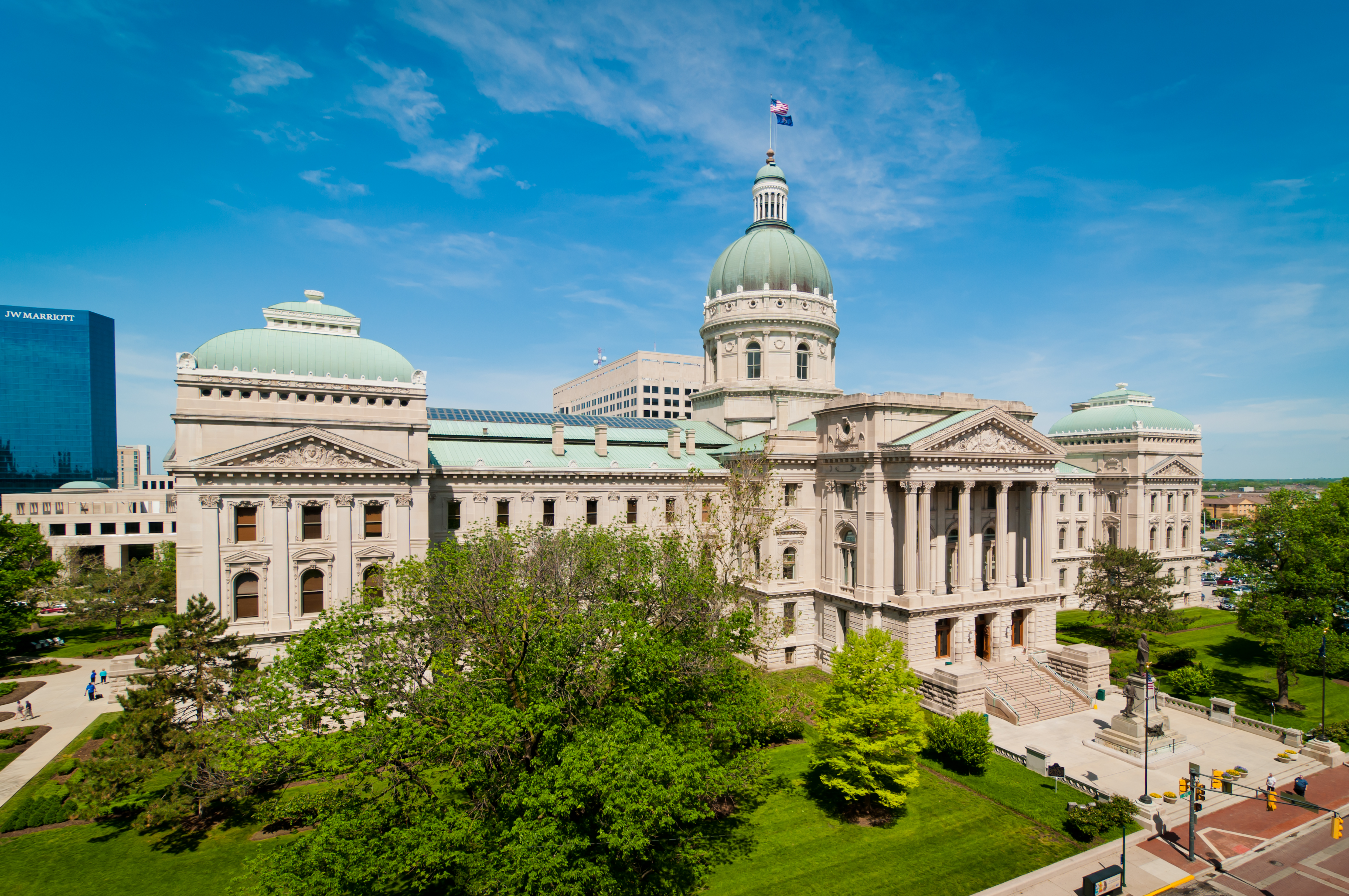





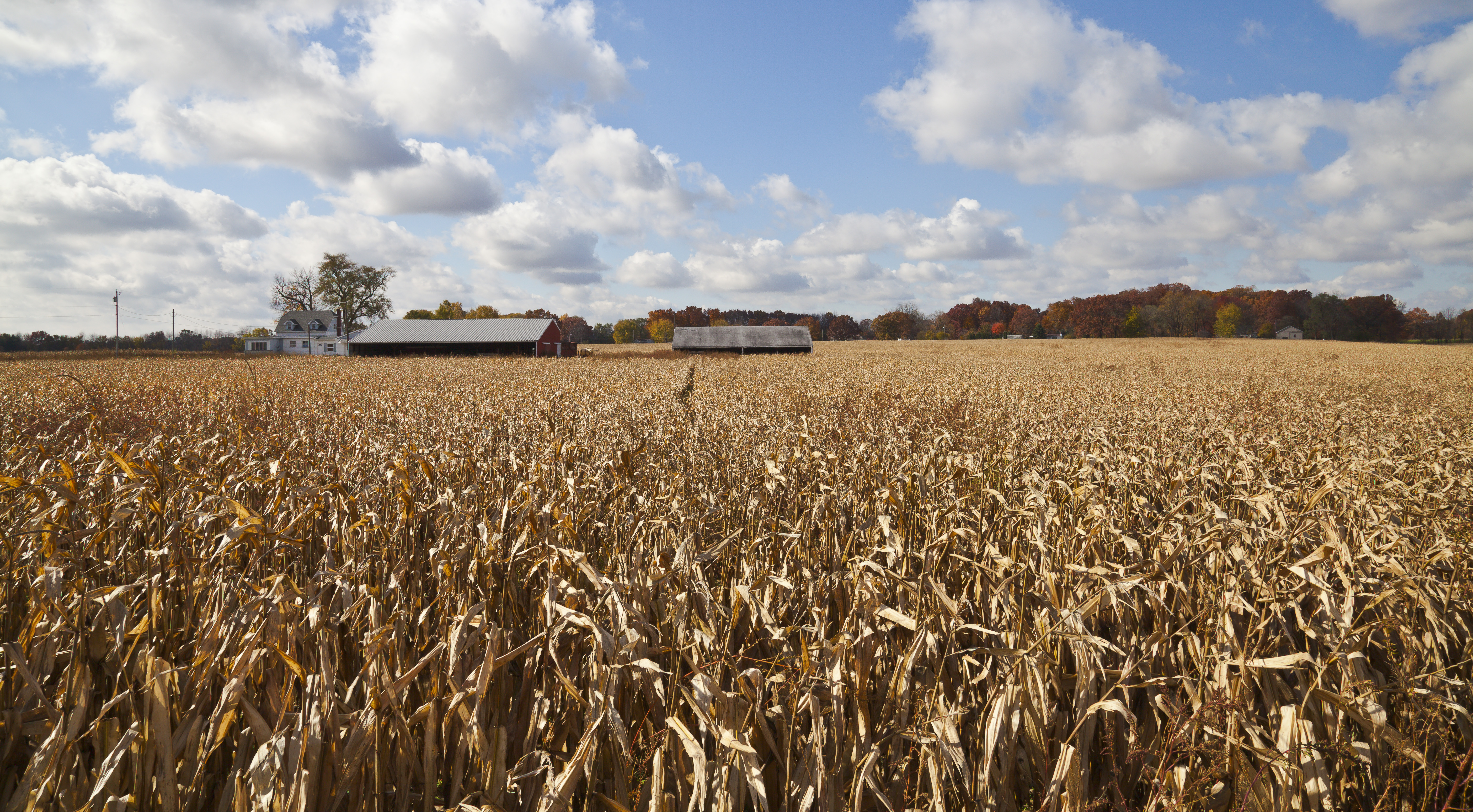
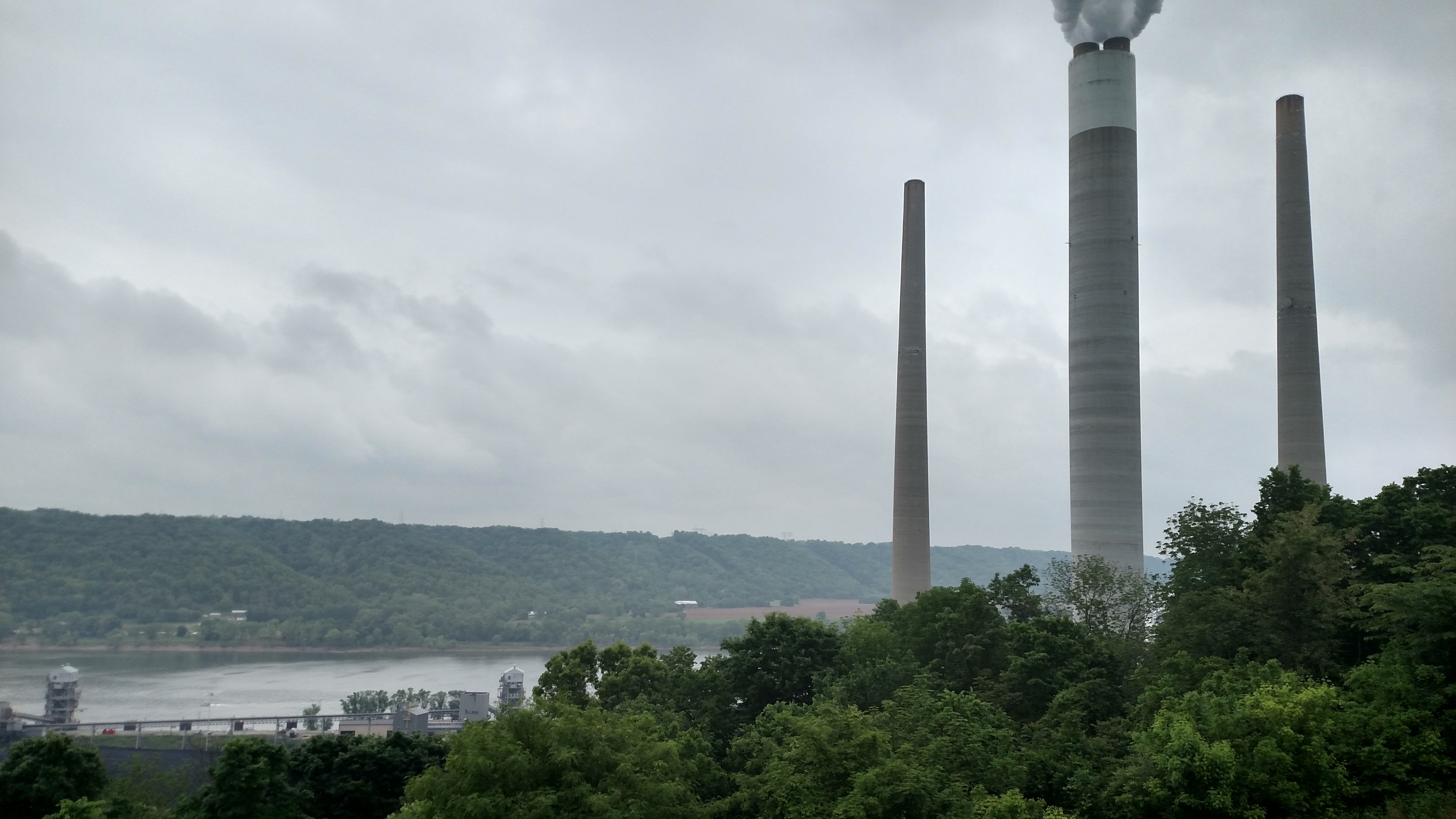
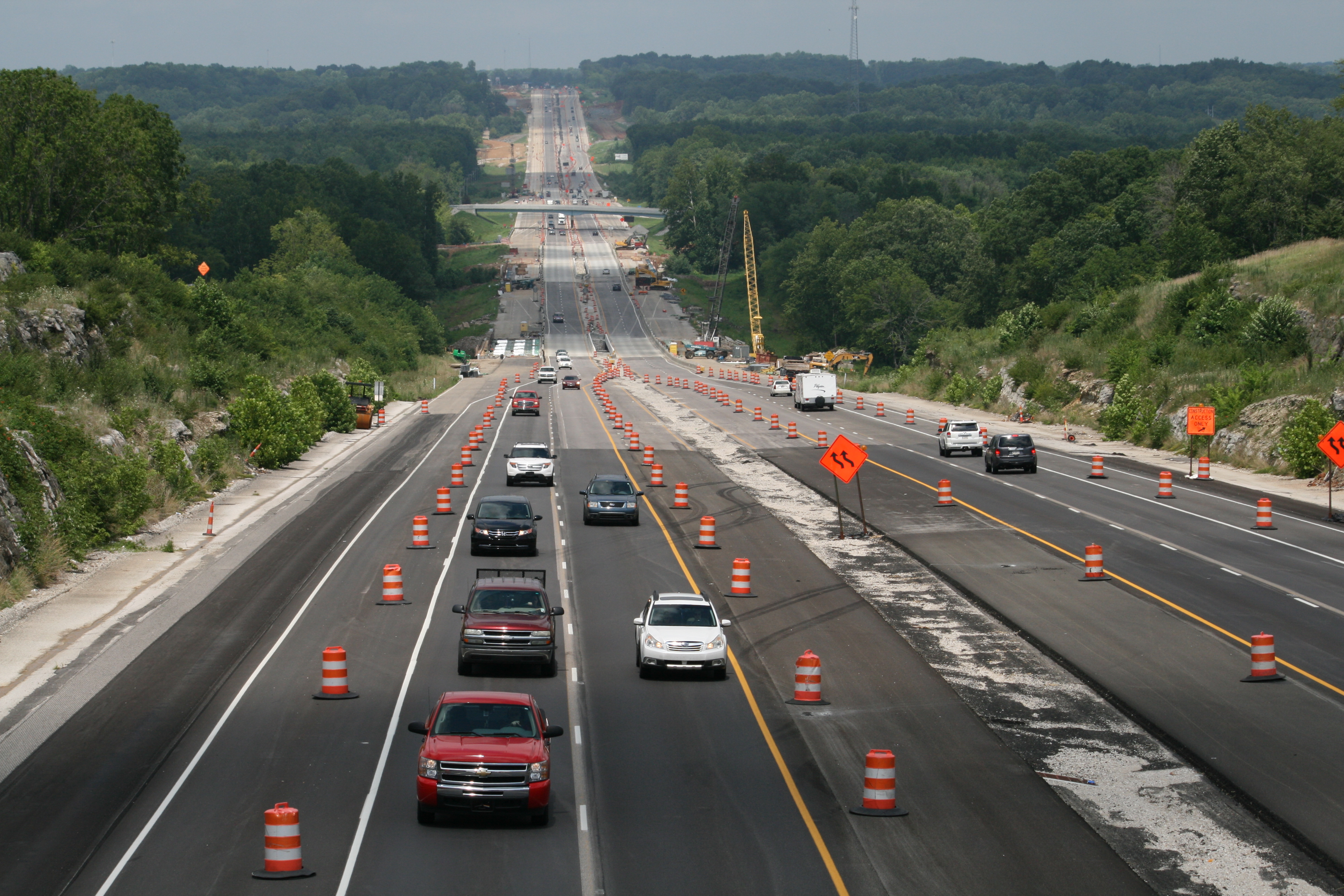


Template:Infobox U.S. state Template:Infobox U.S. state symbols Indiana is a U.S. state in the midwestern and Great Lakes regions of North America. Its capital and largest city is Indianapolis. Other famous cities and towns include Bloomington, Gary, Fort Wayne, South Bend, Evansville, Muncie, and Marion. People who live in Indiana are sometimes called Hoosiers. Indiana's state bird is a Cardinal. Indiana's state flower is a Peony. Indiana's state tree is a Tulip Tree. Indiana has borders with four other states: Illinois, Kentucky, Michigan, and Ohio. It also touches Lake Michigan; which is the only one of the Great Lakes that is completely inside the United States.
Before it was called Indiana, most people who lived there were indigenous. France colonized the area, renaming it New France. They enslaved the indigenous peoples, and introduced black slaves too.[1] In the 18th century, the new United States took the area from France, and many slave owners from Kentucky and Virginia moved into the area.[2] By 1820, it had become a state called Indiana and the government ordered all slaves to be freed, but black people were still enslaved there into at least the 1830s.[3]
Attractions
One famous attraction of Indiana is the Indianapolis Motor Speedway, which is where the Indy 500 is held every year. The Indy 500 is one of the most famous car races in the United States. The Indianapolis Motor Speedway is not actually in Indianapolis. It is in a town called Speedway, which is completely surrounded by Indianapolis.
Sports
As well as being home to the Indy 500, there are several well known sports teams in Indiana. Professional sports teams include the Indianapolis Colts of the National Football League (NFL) and the Indiana Pacers of the National Basketball Association (NBA). Colleges and universities in Indiana with well known sports teams include Purdue University, the University of Notre Dame, and Indiana University.
Related pages
References
- ↑ Jacob Piatt Dunn (1888). Indiana: A Redemption from Slavery. University of Michigan. Houghton, Mifflin & Co.
- ↑ McCord, Shirley S. (1970). Travel Accounts of Indiana, 1679-1961: A Collection of Observations by Wayfaring Foreigners, Itinerants, and Peripatetic Hoosiers. Indiana Historical Bureau. ISBN 9781885323248.
- ↑ Rosenberg, Morton M.; McClurg, Dennis V. (1968). The Politics of Pro-Slavery Sentiment in Indiana 1816-1861. Ball State University.
Some Hoosiers continued to ignore the Lasselle verdict as the Federal Census of 1830 indicated, for three slaves were registered as still residing in Indiana. Moreover, a local census in Vincennes and Knox County revealed thirty-two slaves there.